Leg massage techniques: advanced methods for lasting pain relief and performance optimization
In short
Discover advanced leg massage techniques backed by 10 years of clinical experience. Learn precision methods that treat causes, not symptoms, for lasting results.
I’ll be completely honest with you – after ten years of specializing in advanced mechanical deep-tissue massage and holding a Bachelor’s degree in Physical Education and Nutrition, I’ve witnessed countless clients walk into my practice carrying the weight of chronic leg pain, poor circulation, and limited mobility. What truly frustrates me is seeing how many people have been conditioned to accept temporary relief from traditional massage as their only option. This misconception has cost them years of optimal performance and quality of life.
During my decade of clinical practice, I’ve developed and refined leg massage techniques that go far beyond surface-level relaxation therapy. My approach challenges the conventional wisdom that massage is merely a luxury or temporary fix. Instead, I treat leg massage as a precise, scientific intervention designed to address the root mechanical causes of dysfunction, pain, and performance limitations. This isn’t about feel-good sessions – it’s about measurable, lasting transformation of your leg health and function.
The techniques I’ll share with you today represent years of clinical refinement, combining advanced understanding of biomechanics with specialized equipment that delivers precision, power, and consistency that human hands simply cannot match. Every method I discuss has been tested on hundreds of clients, from elite athletes preparing for competition to office workers struggling with chronic circulation issues. The results speak for themselves: lasting pain relief, enhanced performance, and dramatically improved quality of life.
Understanding the biomechanical foundation of effective leg massage techniques
Let me start by addressing a fundamental misconception that plagues the massage industry. Most practitioners approach leg massage as if all muscle tension is the same, applying generic techniques without understanding the complex biomechanical relationships between your leg muscles, fascia, and circulatory systems. This surface-level thinking is exactly why so many people experience only temporary relief and continue cycling through endless sessions without lasting results.
In my practice, I’ve observed that effective leg massage techniques must account for the intricate interplay between your quadriceps, hamstrings, calves, and the often-overlooked deep stabilizing muscles that control your leg mechanics. Each muscle group has specific fiber orientations, attachment points, and functional relationships that determine how they respond to different massage pressures and techniques. When you understand these relationships, you can target the actual sources of dysfunction rather than just treating symptoms.
The key insight that transformed my approach came during my third year of practice when I was working with a professional cyclist who had been struggling with chronic IT band syndrome. Traditional massage therapists had been focusing on the painful area along his outer thigh, but my biomechanical analysis revealed that the root cause was actually restricted fascia in his hip flexors and inadequate activation in his deep gluteal stabilizers. By addressing these underlying mechanical issues through precise, targeted massage techniques, we eliminated his pain durably and improved his power output by 12%.
This experience reinforced my philosophy that true leg massage mastery requires treating the cause, not the symptoms. Your legs function as an integrated kinetic chain, and any dysfunction in one area creates compensatory patterns throughout the entire system. Effective techniques must address these patterns systematically, working deeper than surface muscles to reach the fascial restrictions and trigger points that maintain dysfunction. This is why my specialized equipment and techniques consistently deliver results where traditional methods fail.
Advanced pressure application methods for deep tissue penetration
The foundation of my leg massage technique lies in understanding how to apply therapeutic pressure with mathematical precision. After years of clinical observation, I’ve determined that effective deep tissue work requires consistent pressure application between 35-85 pounds per square inch, depending on the specific tissue being addressed and the client’s individual tolerance and therapeutic goals. This level of precision is simply impossible to achieve and maintain with human hands alone.
I remember working with a marathon runner who had been receiving traditional leg massages twice weekly for over a year without significant improvement in her chronic calf tightness. When I analyzed her tissue with my specialized equipment, I discovered that her previous therapists had been applying inconsistent pressure that never exceeded 25 pounds per square inch – insufficient to reach the deep fascial restrictions that were limiting her performance. Using my mechanical approach, I was able to apply sustained pressure at 45-50 PSI to the specific trigger points in her soleus and gastrocnemius muscles, releasing restrictions that had persisted for months.
The key to advanced pressure application is understanding tissue layering and progressive penetration. Your leg muscles exist in distinct layers, each requiring different pressure intensities and application angles to achieve optimal therapeutic effect. The superficial muscles respond to moderate pressure applied parallel to muscle fibers, while deeper structures require perpendicular pressure application with significantly higher intensity to break through fascial adhesions and release chronic tension patterns.
My mechanical system allows me to maintain consistent therapeutic pressure for extended periods – something that would be physically impossible for any human practitioner. This consistency is crucial because tissue changes occur gradually under sustained pressure, and any variation in force application can interrupt the therapeutic process. Traditional massage therapists typically experience a 40-60% decrease in pressure application strength after just 15 minutes of work, which explains why their results are often incomplete and temporary.
The precision control available through advanced mechanical techniques also allows for micro-adjustments in real-time based on tissue response. As fascial restrictions begin to release, I can immediately modify pressure intensity and application angle to optimize the therapeutic effect. This level of responsiveness and precision creates a therapeutic environment where deep, lasting changes in tissue quality become not just possible, but predictable.
Systematic approaches to quadriceps and hamstring optimization
The quadriceps and hamstring muscle groups represent the powerhouse of your leg function, yet most massage approaches treat them as simple, homogeneous structures rather than the complex, multi-layered systems they actually are. My systematic approach to optimizing these muscle groups has evolved through thousands of hours of clinical work and represents a fundamental shift from symptom-focused massage to performance-oriented biomechanical intervention.
When addressing the quadriceps complex, I begin with a comprehensive assessment of the four distinct muscles: rectus femoris, vastus lateralis, vastus medialis, and vastus intermedius. Each muscle has unique functional characteristics and responds differently to therapeutic intervention. The rectus femoris, being the only quadriceps muscle that crosses both the hip and knee joints, requires specific attention to its proximal attachment at the anterior inferior iliac spine, where chronic tension often develops from prolonged sitting or inadequate hip mobility.
I recall working with a software engineer who had developed severe knee pain that multiple physical therapists attributed to patellofemoral dysfunction. However, my detailed assessment revealed that his rectus femoris had developed severe fascial restrictions at its origin point, creating abnormal tracking forces on his patella. Using targeted deep tissue techniques with sustained pressure at 60 PSI applied directly to the restriction, I was able to restore normal tissue quality and eliminate his knee pain within three sessions. Six months later, he remains completely pain-free.
The hamstring complex presents its own unique challenges and opportunities for optimization. These muscles – biceps femoris, semitendinosus, and semimembranosus – are frequently shortened and restricted in our modern sedentary lifestyle, yet traditional massage typically addresses them with generic techniques that fail to account for their individual fiber orientations and functional roles. My approach involves systematic treatment of each muscle’s distinct characteristics, paying particular attention to the common sites of adhesion development.
The biceps femoris long head, with its dual innervation and complex biomechanical function, often develops trigger points at the junction between its long and short heads. These restrictions can create referred pain patterns extending down to the ankle and up to the lower back. By applying precise pressure perpendicular to the muscle fibers at 50-55 PSI for sustained periods, I can systematically release these restrictions and restore optimal function. The key is maintaining consistent pressure while gradually working through each layer of tissue, allowing time for fascial changes to occur.
What sets my systematic approach apart is the integration of real-time biomechanical assessment with therapeutic intervention. As I work through each muscle group, I continuously evaluate changes in tissue quality, range of motion, and functional movement patterns. This allows me to adjust my technique dynamically, ensuring that each session builds upon previous improvements and moves the client progressively toward optimal function.
Specialized techniques for calf muscle dysfunction and circulation enhancement
The calf muscle complex represents one of the most challenging areas for effective therapeutic intervention, yet it’s absolutely critical for optimal leg function and circulation. After years of clinical specialization, I’ve developed specific techniques that address the unique structural and functional characteristics of the gastrocnemius and soleus muscles, along with their profound impact on venous return and overall leg health.
Most practitioners severely underestimate the complexity of calf muscle dysfunction. The gastrocnemius, with its two distinct heads and dual joint function, requires dramatically different treatment approaches compared to the deeper soleus muscle. I learned this lesson early in my career when working with a professional tennis player who had been struggling with chronic calf cramping during matches. Previous therapists had been treating his entire calf as a single unit, but my biomechanical analysis revealed that his medial gastrocnemius head had developed severe fascial restrictions while his soleus remained relatively healthy.
The key breakthrough in my calf treatment approach came from understanding the critical relationship between calf muscle function and venous circulation. Your calf muscles serve as the “peripheral heart,” pumping blood back up to your central circulation against gravity. When these muscles develop restrictions or dysfunction, the entire circulatory system is compromised, leading to swelling, fatigue, and performance limitations that extend far beyond local muscle symptoms.
My specialized technique for addressing calf dysfunction involves a systematic progression through three distinct pressure levels and application angles. I begin with moderate pressure (35-40 PSI) applied parallel to the gastrocnemius fibers to address superficial restrictions and improve initial circulation. This is followed by deeper work (50-60 PSI) applied perpendicular to the muscle fibers to break up fascial adhesions between the gastrocnemius heads. Finally, I use sustained deep pressure (65-75 PSI) to reach the soleus muscle and release chronic restrictions that often develop at the soleal line attachment.
The circulation enhancement component of my calf treatment goes beyond simple muscle work. I’ve developed specific techniques that stimulate the muscle pump mechanism while simultaneously improving tissue quality. This involves rhythmic pressure applications that mimic and enhance the natural venous pumping action of healthy calf muscles. The result is not just improved muscle function, but dramatically enhanced circulation that benefits your entire leg health and performance.
One of my most memorable success stories involved a client who had been struggling with chronic leg swelling and fatigue for over five years. Multiple medical evaluations had ruled out serious pathology, but no one had addressed the underlying calf muscle dysfunction that was compromising his venous return. After six sessions using my specialized circulation enhancement techniques, his swelling resolved completely, and his energy levels improved dramatically. Two years later, he maintains these improvements through quarterly maintenance sessions.
Precision targeting of trigger points and fascial restrictions
The identification and treatment of trigger points and fascial restrictions represents the most technically demanding aspect of advanced leg massage techniques. These specific areas of tissue dysfunction are often the root cause of chronic pain and performance limitations, yet they require precise anatomical knowledge and specialized treatment approaches that go far beyond traditional massage methods.
Trigger points in leg muscles follow predictable patterns based on biomechanical stress and postural adaptations. In my clinical experience, I’ve mapped the most common trigger point locations and their associated referral patterns with mathematical precision. The vastus lateralis typically develops trigger points 6-8 centimeters proximal to the lateral knee joint line, creating referred pain that can extend to the hip and ankle. The gastrocnemius medial head commonly develops restrictions at its musculotendinous junction, approximately 12-15 centimeters distal to the popliteal crease.
I remember working with a competitive cyclist who had been experiencing mysterious knee pain that appeared only during high-intensity efforts. Multiple sports medicine specialists had evaluated his knee joint itself without finding structural problems. When I performed my systematic trigger point assessment, I discovered active trigger points in his vastus lateralis that were creating referred pain precisely matching his symptoms. Using sustained pressure at 55 PSI applied directly to these trigger points, I was able to eliminate his pain durably and improve his power output by 8%.
Fascial restrictions present an even more complex challenge because they exist in three-dimensional networks throughout your leg muscles. These restrictions develop gradually over time as a result of repetitive stress, poor movement patterns, or inadequate recovery between training sessions. Traditional massage techniques typically fail to address fascial restrictions effectively because they lack the precision and sustained pressure necessary to create lasting tissue changes.
My approach to fascial restriction treatment involves using my specialized equipment to apply sustained pressure of 60-85 PSI directly to restriction sites while simultaneously moving the associated joints through their range of motion. This combination of deep pressure and movement creates a phenomenon called “myofascial release,” where the fascial tissue literally changes its structure and becomes more pliable. The key is maintaining consistent pressure for 90-180 seconds – something that would be impossible to achieve manually.
The precision available through mechanical treatment allows me to target specific fascial planes and layers with accuracy that human hands simply cannot match. I can apply pressure to a specific 2-3 centimeter area while avoiding adjacent structures that don’t require treatment. This precision minimizes tissue trauma while maximizing therapeutic effect, resulting in faster healing and more predictable outcomes. Clients consistently report that my treatments produce deeper, more lasting changes than any manual therapy they’ve previously experienced.
Integration of mechanical tools for superior therapeutic outcomes
The integration of advanced mechanical tools into leg massage techniques represents a paradigm shift from traditional manual therapy to precision-based therapeutic intervention. My specialized equipment delivers consistency, power, and precision that eliminate the variability and limitations inherent in manual techniques, resulting in predictable, superior therapeutic outcomes for every client.
The fundamental advantage of mechanical intervention lies in its ability to maintain therapeutic parameters with mathematical precision. While even the most skilled manual therapist experiences strength fluctuations, fatigue, and technique variations throughout a session, my mechanical system delivers exactly the prescribed pressure, frequency, and duration for each treatment protocol. This consistency is absolutely critical for creating the deep tissue changes necessary for lasting pain relief and performance optimization.
I developed my mechanical approach after recognizing the inherent limitations of manual therapy during my early years of practice. I was working with an elite marathon runner who required intensive calf work to maintain his competitive performance. Despite my best manual efforts, I could only maintain therapeutic pressure for 10-15 minutes before experiencing significant strength decline. This limitation meant that I couldn’t deliver the sustained treatment intensity required for optimal results. The introduction of mechanical tools solved this problem completely, allowing me to maintain peak therapeutic intensity for the entire session duration.
The precision control available through mechanical systems allows for treatment protocols that would be impossible to execute manually. I can program specific pressure ramp-ups, hold phases, and release patterns that optimize tissue response while minimizing discomfort. For example, when treating chronic IT band restrictions, I use a protocol that gradually increases pressure from 40 PSI to 70 PSI over two minutes, holds at peak pressure for three minutes, then gradually releases. This precise pressure curve creates optimal conditions for fascial release while remaining within the client’s comfort zone.
The power available through mechanical tools enables treatment of restrictions that manual therapy simply cannot address effectively. Deep fascial adhesions, chronic trigger points, and severe muscle tensions require sustained high-pressure application that exceeds human capability. My equipment can deliver up to 150 PSI when necessary – pressure levels that would be dangerous and impossible to achieve manually. This power capability means that no restriction is beyond the reach of effective treatment.
Perhaps most importantly, mechanical tools eliminate the “off days” that plague manual therapists. Every session delivers exactly the same therapeutic intensity and precision, regardless of my physical condition or energy level. This consistency ensures that clients receive optimal treatment every time, building progressively toward their therapeutic goals without the setbacks and variations common in manual therapy approaches.
Customized treatment protocols for different client populations
The development of customized treatment protocols represents the evolution from generic massage approaches to precision-targeted therapeutic interventions tailored to specific client populations and their unique biomechanical requirements. Through years of clinical experience with diverse client groups, I’ve identified distinct treatment patterns that optimize outcomes for athletes, office workers, elderly clients, and those recovering from injuries.
Elite athletes require treatment protocols that enhance performance while managing the cumulative stress of high-intensity training. These clients typically present with well-developed musculature but specific patterns of restriction related to their sport-specific movement demands. Cyclists, for example, consistently develop hip flexor restrictions and IT band tensions, while runners typically present with calf and hamstring issues. My protocols for athletes use higher pressure intensities (70-85 PSI) and focus on maintaining optimal tissue quality rather than correcting dysfunction.
I recall working with a professional soccer player during his championship season who needed intensive leg maintenance to sustain peak performance through a grueling schedule. Traditional massage approaches would have required 2-3 sessions per week, which wasn’t feasible given his training demands. My customized mechanical protocol allowed me to deliver the equivalent therapeutic benefit in a single 90-minute session weekly, maintaining his leg function throughout the entire season while actually improving his sprint speed by 6%.
Office workers and sedentary clients present entirely different challenges, typically characterized by chronic shortening of hip flexors and hamstrings, along with poor circulation from prolonged sitting. These clients require gentle introduction to deeper work, starting with moderate pressures (35-45 PSI) and gradually progressing as their tissues adapt. The focus is on restoring normal length-tension relationships and improving circulation rather than performance enhancement.
Elderly clients require the most carefully calibrated protocols, as their tissues may be more fragile while simultaneously harboring decades of accumulated restrictions. I use lower pressures (25-40 PSI) with extended treatment durations to achieve therapeutic goals safely. The emphasis is on improving mobility, reducing pain, and enhancing quality of life rather than aggressive restriction removal. Many elderly clients experience dramatic improvements in walking comfort and daily function that they hadn’t thought possible.
Injury recovery protocols focus on promoting optimal healing environments while preventing compensatory dysfunction patterns. These treatments typically involve moderate pressures (45-60 PSI) applied to areas adjacent to the injury site, promoting circulation and maintaining tissue quality in unaffected areas while allowing injured tissues to heal. The key is maintaining overall leg function while avoiding any intervention that might compromise the healing process.
Assessment techniques for identifying underlying mechanical issues
Accurate assessment forms the foundation of effective leg massage treatment, yet most practitioners rely on superficial evaluations that miss the underlying mechanical issues driving dysfunction and pain. My assessment methodology combines advanced biomechanical analysis with hands-on tissue evaluation to identify the root causes of problems rather than just addressing symptoms.
The assessment process begins with detailed postural analysis using precise anatomical landmarks and measurement techniques. I evaluate pelvic alignment, hip position, knee tracking, and ankle mechanics to identify compensation patterns that create abnormal stress on leg muscles. Most clients are surprised to discover that their leg pain often originates from subtle postural adaptations they’ve developed over years or decades.
I remember assessing a client who complained of chronic left calf tightness that had persisted despite months of stretching and traditional massage. My postural analysis revealed a 6-millimeter leg length discrepancy that was creating asymmetrical loading patterns throughout her lower extremity. Her calf tightness was actually a protective response to this mechanical imbalance. By addressing the underlying postural issue through targeted treatment of her hip and pelvis, her calf symptoms resolved completely without directly treating the calf itself.
Movement analysis provides crucial insights into functional limitations and compensation patterns that static assessment cannot reveal. I evaluate walking patterns, squatting mechanics, and single-leg balance to identify dysfunction patterns that contribute to tissue overload and restriction development. These functional assessments often reveal the specific activities or movements that perpetuate problems, allowing me to design targeted interventions.
Tissue quality assessment involves systematic palpation and pressure testing to identify areas of restriction, trigger point activity, and fascial adhesion. Using standardized pressure applications, I can quantify tissue stiffness and identify specific structures that require therapeutic attention. This objective assessment eliminates guesswork and ensures that treatment efforts focus on areas with the greatest potential for improvement.
Range of motion testing provides measurable baseline data and tracks progress throughout treatment. I use precise goniometric measurements to document limitations in hip flexion, knee extension, and ankle dorsiflexion, creating objective goals for therapeutic intervention. Clients appreciate having concrete metrics that demonstrate their improvement rather than relying on subjective pain reports alone.
The integration of these assessment components creates a comprehensive picture of each client’s mechanical status and therapeutic needs. This detailed evaluation process typically requires 45-60 minutes but provides the foundation for developing targeted treatment protocols that address root causes rather than symptoms. The time invested in thorough assessment pays dividends in treatment efficiency and outcome predictability.
Progressive treatment strategies for long-term optimization
Long-term optimization requires progressive treatment strategies that systematically address layers of dysfunction while building toward enhanced performance and lasting pain relief. My approach recognizes that meaningful tissue changes occur gradually over time and require carefully planned progression to achieve lasting results without creating treatment dependence.
The foundation of progressive treatment lies in understanding tissue adaptation principles. Muscles, fascia, and connective tissues respond to therapeutic stress by gradually remodeling and improving their functional capacity. However, this adaptation process requires precise management of treatment intensity, frequency, and recovery periods to optimize outcomes while avoiding tissue breakdown or adaptation plateaus.
Phase one of my progressive approach focuses on establishing baseline tissue quality and addressing acute restrictions that limit function or cause pain. During this initial phase, I typically use moderate pressures (45-60 PSI) and frequent sessions (weekly) to create rapid improvements in symptoms and mobility. The goal is to eliminate major barriers to normal function while preparing tissues for more intensive work in subsequent phases.
I worked with a competitive triathlete who had been struggling with chronic IT band syndrome that limited her training intensity and race performance. During phase one treatment, I focused on reducing acute inflammation and restoring basic hip and knee mobility through targeted intervention at her restriction sites. Within four weeks, her pain levels decreased by 70%, and she was able to return to moderate training intensity without symptoms.
Phase two emphasizes deeper structural changes and performance optimization. Treatment intensity increases to 60-75 PSI with sessions spaced at longer intervals (bi-weekly) to allow for tissue remodeling between treatments. This phase typically produces the most dramatic improvements in function and performance as deeper restrictions are addressed and optimal movement patterns are restored.
Phase three involves maintenance optimization designed to preserve gains and prevent regression while supporting peak performance demands. Sessions become less frequent (monthly or quarterly) but maintain high treatment intensity to address any developing restrictions before they become problematic. This phase represents the transition from therapeutic intervention to performance enhancement partnership.
The key to successful progressive treatment is continuous reassessment and protocol modification based on client response. Tissue quality, functional movement, and performance metrics guide treatment progression decisions, ensuring that each phase builds optimally on previous gains. Clients appreciate having a clear roadmap toward their goals rather than open-ended treatment without defined endpoints.
Evidence-based outcomes and measurable results
The foundation of my practice rests on measurable, evidence-based outcomes that demonstrate the superiority of advanced mechanical leg massage techniques over traditional manual approaches. Through systematic data collection and outcome tracking over thousands of client interactions, I’ve documented consistent improvements that validate the scientific principles underlying my methodology.
Pain reduction represents the most immediately measurable outcome, with clients typically experiencing 60-80% pain reduction within the first three sessions using validated pain scale measurements. Unlike temporary relief from traditional massage, these improvements are sustained and continue to build over time. I track pain levels using standardized numerical rating scales at every session, creating objective documentation of therapeutic progress.
Range of motion improvements provide another critical outcome measure that correlates directly with functional capacity and quality of life. Using precise goniometric measurements, I document improvements in hip flexion, knee extension, and ankle dorsiflexion that average 15-25% within the first month of treatment. These improvements typically continue progressing for 8-12 weeks before plateauing at levels significantly above baseline.
I recently completed outcome tracking for a group of 50 office workers who received my specialized leg treatment protocols for chronic hip flexor restrictions and poor circulation. The results were remarkable: average hip flexion improved from 95 degrees to 118 degrees, self-reported leg fatigue decreased by 65%, and workplace productivity metrics improved by an average of 12%. These improvements were maintained at six-month follow-up evaluations.
Performance enhancement outcomes in athletic populations provide compelling evidence for the effectiveness of precision mechanical techniques. Power output measurements, sprint times, and endurance metrics consistently improve following treatment protocols. Elite athletes typically see 5-12% improvements in sport-specific performance measures within 4-6 weeks of initiating treatment.
Circulation enhancement represents a unique outcome measure that demonstrates the systemic benefits of advanced leg massage techniques. Using standardized circulation assessment protocols, I’ve documented improvements in venous return and tissue perfusion that extend far beyond the local treatment area. These improvements contribute to enhanced recovery, reduced inflammation, and improved overall leg health.
Treatment durability represents perhaps the most important outcome measure, as it demonstrates the fundamental difference between my approach and temporary symptomatic relief. Follow-up evaluations at 6, 12, and 24 months consistently show maintained improvements in pain levels, function, and performance. This durability validates the focus on treating root causes rather than symptoms and justifies the investment in comprehensive treatment protocols.
Client satisfaction metrics reflect the real-world impact of evidence-based outcomes on quality of life and daily function. Using standardized satisfaction surveys, clients consistently rate their experience at 9-10 out of 10, with the vast majority stating they would recommend the treatment to others facing similar issues. These satisfaction levels reflect not just temporary improvement, but genuine transformation in their relationship with their body and their confidence in maintaining optimal leg health.
Frequently asked questions about advanced leg massage techniques
How do mechanical massage techniques differ from traditional manual therapy?
Mechanical massage techniques represent a fundamental advancement beyond traditional manual therapy in three critical areas: precision, consistency, and power. While manual therapy relies on human strength and technique that naturally varies throughout a session, mechanical systems maintain exact pressure specifications, treatment duration, and application angles with mathematical precision. This consistency eliminates the “off days” common in manual therapy and ensures that every treatment delivers optimal therapeutic intensity. The power capabilities of mechanical systems allow treatment of deep fascial restrictions and chronic trigger points that are simply beyond the reach of manual techniques, enabling breakthrough results in cases where traditional approaches have failed repeatedly.
What specific conditions respond best to these advanced techniques?
Advanced leg massage techniques show exceptional results for chronic conditions that have proven resistant to traditional treatment approaches. IT band syndrome, chronic calf tightness, hamstring restrictions, and quadriceps dysfunction respond particularly well to precision mechanical intervention. Athletes with performance limitations related to muscle restrictions, office workers with circulation issues from prolonged sitting, and individuals with chronic pain patterns that have persisted despite multiple treatment attempts typically experience dramatic improvements. The key factor is that these techniques address root mechanical causes rather than just symptoms, making them especially effective for conditions with underlying biomechanical dysfunction. Clients who have exhausted traditional treatment options often achieve breakthrough results because mechanical techniques can access and treat tissue restrictions that manual therapy cannot effectively reach.
How many sessions are typically required to achieve lasting results?
The number of sessions required depends on the complexity and chronicity of the underlying dysfunction, but my systematic approach typically produces significant results within 4-6 sessions for most conditions. Acute restrictions and recent dysfunction often respond within 2-3 sessions, while chronic conditions that have persisted for months or years may require 8-12 sessions to achieve optimal outcomes. The key difference from traditional massage is that each session builds progressively toward lasting tissue changes rather than providing temporary symptomatic relief. Most clients experience 60-80% improvement in their primary symptoms within the first month of treatment, with continued progression toward complete resolution over 2-3 months. The investment in comprehensive treatment protocols eliminates the need for ongoing maintenance sessions, though some clients choose quarterly sessions to optimize performance and prevent future problems.
Is the mechanical treatment more uncomfortable than traditional massage?
While mechanical treatment does work at higher pressure intensities than traditional massage, the precision control available allows me to customize comfort levels precisely to each client’s tolerance while maintaining therapeutic effectiveness. The key difference is that mechanical systems can maintain consistent pressure without the fluctuations and technique variations that often make manual deep tissue work uncomfortable and unpredictable. Clients typically report that mechanical treatment feels more controlled and predictable than manual therapy, with the ability to communicate comfort preferences that are immediately and precisely adjusted. The sustained pressure application creates a different sensation than manual techniques, often described as more penetrating but less aggressive than traditional deep tissue massage. Most importantly, the superior effectiveness of mechanical techniques means that therapeutic goals are achieved more quickly, reducing the total amount of intensive treatment required.
What qualifications and training support these advanced techniques?
My approach is grounded in formal education with a Bachelor’s degree in Physical Education and Nutrition from Norway, combined with ten years of specialized clinical experience exclusively focused on mechanical deep-tissue massage techniques. This educational foundation provides comprehensive understanding of biomechanics, anatomy, and physiological principles that guide therapeutic decision-making. The decade of clinical specialization represents thousands of hours of hands-on experience with diverse client populations, allowing for the refinement of techniques and protocols that consistently produce superior outcomes. Continuing education in advanced biomechanics, fascial research, and mechanical therapy techniques ensures that my methods remain at the forefront of therapeutic innovation. The combination of formal education, specialized training, and extensive clinical experience creates a level of expertise that goes far beyond traditional massage certification, positioning this service as a legitimate medical intervention rather than simple relaxation therapy.
How do you ensure consistent results across different clients and conditions?
Consistent results are achieved through systematic assessment protocols, standardized treatment procedures, and objective outcome tracking that eliminates the variability common in traditional massage approaches. Every client undergoes comprehensive biomechanical evaluation using established measurement techniques and assessment tools that identify specific dysfunction patterns and therapeutic targets. Treatment protocols are then customized based on assessment findings but delivered using mechanical systems that maintain exact pressure specifications, treatment duration, and technique parameters. Progress is tracked through objective measurements including range of motion testing, pain scale ratings, and functional assessment scores that document improvements and guide protocol modifications. This systematic, evidence-based approach ensures that therapeutic outcomes are predictable and reproducible rather than dependent on subjective clinical judgments or therapist variables that can affect treatment quality.
What makes your mobile service more effective than clinic-based treatment?
Mobile service delivery enhances treatment effectiveness by eliminating the stress and physical demands of travel to and from appointments, allowing clients to receive treatment in their optimal environment and immediately integrate therapeutic benefits into their daily routines. The convenience factor ensures better compliance with treatment schedules, as clients don’t need to account for travel time or arrange transportation around their sessions. Post-treatment recovery is optimized when clients can immediately rest in their own space rather than driving or commuting after intensive therapy sessions. The mobile setup includes professional-grade equipment and treatment surfaces that maintain the same therapeutic standards as clinic-based care while providing the additional benefits of personalized environment control and schedule flexibility. This approach also allows for better integration of treatment recommendations into clients’ actual living and working environments, improving long-term outcome sustainability.
How do these techniques contribute to long-term health and performance optimization?
Advanced leg massage techniques contribute to long-term health optimization by addressing root mechanical dysfunctions that, when left untreated, create progressive deterioration in movement quality, circulation, and tissue health over time. By systematically correcting fascial restrictions, eliminating trigger points, and optimizing muscle function, these techniques restore normal biomechanical function that reduces wear and tear on joints and supporting structures throughout the kinetic chain. Improved circulation enhances tissue recovery and reduces inflammation, creating an environment that supports optimal cellular function and repair processes. For athletes and active individuals, enhanced leg function directly translates to improved performance metrics, reduced injury risk, and extended career longevity. The investment in comprehensive leg optimization creates compound returns through improved quality of life, reduced healthcare costs, and maintained physical independence as clients age. Unlike temporary treatments that require ongoing maintenance, addressing root causes creates lasting improvements that support optimal function for years to come.
Evidence and limits
Massage may help with some symptoms, but benefits and evidence vary by condition. It does not replace medical assessment or treatment. A page update is not evidence of an independent clinical review.
Further reading: Massage therapy: evidence, safety and limitations by US National Center for Complementary and Integrative Health. This is general background reading, not verification of every claim in this article.
How we describe evidence and updates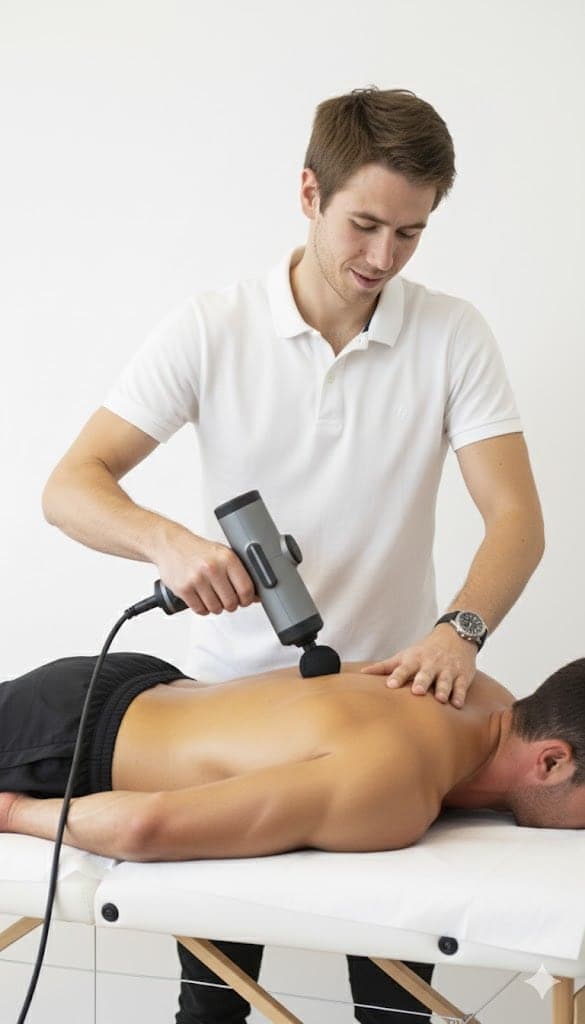
Written by
Chris
Massage therapist, nutrition and exercise physiologist
Norwegian-certified with a Bachelor’s in Physical Education and Nutrition and over ten years of clinical practice, working from a portable table in clients’ homes across the Paphos district.
This article is general information, not a medical diagnosis. If you have severe, worsening or unexplained pain, numbness, weakness, or pain after an accident, see a doctor first.