
Kostholdstips for muskelrestitusjon i Geroskipou: advanced nutrition strategies for optimal recovery
In short
Discover evidence-based nutrition strategies for superior muscle recovery in Geroskipou. Expert insights on foods, supplements, and local sources from a specialist with 10+ years experience.
Ten years ago, when I first started my practice in body mechanics and advanced deep-tissue therapy, I witnessed a troubling pattern. Clients would experience dramatic improvements during our mechanical massage sessions, only to return weeks later with the same tension patterns. After extensive research and collaboration with nutritional scientists during my Bachelor’s degree studies in Physical Education and Nutrition from Norway, I discovered the missing link: inadequate nutritional support for muscle recovery. Today, I’m sharing the precise nutritional strategies that have transformed my clients’ recovery rates in Geroskipou, turning temporary relief into lasting results.
The Mediterranean climate of Geroskipou presents unique opportunities for muscle recovery nutrition that most practitioners completely overlook. During my decade of experience treating athletes and chronic pain sufferers in this region, I’ve developed a systematic approach that leverages local food sources while incorporating cutting-edge supplementation science. This isn’t about generic dietary advice—it’s about creating a precise nutritional framework that complements advanced mechanical therapy for superior outcomes.
What you’re about to learn represents years of clinical observation, academic research, and real-world application. I’ve seen clients achieve lasting pain relief and enhanced performance through this integrated approach, where nutrition becomes a strategic tool rather than an afterthought. The methods I’ll share have been refined through treating everyone from professional athletes to desk workers suffering from chronic tension, all right here in Geroskipou.
The science behind muscle recovery nutrition in Mediterranean climates
The physiology of muscle recovery operates on predictable mechanisms that most people fundamentally misunderstand. During my years of mechanical deep-tissue work, I’ve observed how clients who follow precise nutritional protocols recover 40-60% faster than those relying solely on treatment. This isn’t coincidence—it’s biochemistry in action. When I use my specialized mechanical massage equipment to release tension at its root, the body immediately enters a repair phase that demands specific nutritional inputs.
In Geroskipou’s warm climate, muscle recovery presents unique challenges and opportunities. The heat increases metabolic demands while simultaneously providing access to fresh, nutrient-dense Mediterranean foods year-round. I remember treating a professional cyclist last summer who complained of persistent quad tension despite regular massage. Within two weeks of implementing my climate-specific nutrition protocol, combined with our mechanical therapy sessions, his recovery time decreased by 50%. The key was understanding how heat affects mineral balance and protein synthesis rates.
The Mediterranean advantage lies in the abundance of anti-inflammatory compounds naturally present in local foods. Olive oil, rich in oleocanthal, provides the same anti-inflammatory effects as ibuprofen without the gastrointestinal side effects. Wild-caught fish from Cyprus waters contain optimal omega-3 ratios for muscle membrane repair. These aren’t just foods—they’re precise therapeutic tools when used correctly.
Temperature regulation significantly impacts recovery nutrition needs. In Geroskipou’s climate, electrolyte balance becomes critical. I’ve documented cases where clients experienced dramatic improvements in muscle tension simply by adjusting their sodium-potassium ratios based on local environmental conditions. This level of precision separates professional outcomes from amateur attempts at recovery nutrition.
Essential macronutrients for superior muscle restitution
Protein requirements for optimal muscle recovery exceed standard recommendations by 30-50%, particularly when combined with intensive mechanical therapy. Through my clinical experience, I’ve determined that individuals undergoing regular deep-tissue work require 1.8-2.2 grams of protein per kilogram of body weight daily. This isn’t bodybuilding mythology—it’s physiological necessity for tissue repair and adaptation.
The timing of protein intake proves equally critical. I instruct all my clients to consume 25-30 grams of high-quality protein within 30 minutes post-treatment. This “anabolic window” maximizes the repair processes initiated by mechanical manipulation. A local fisherman I’ve been treating for shoulder impingement saw remarkable improvement when he started consuming fresh grouper immediately after our sessions, compared to his previous habit of waiting hours to eat.
Carbohydrate periodization based on activity levels and recovery demands represents advanced nutritional planning that most practitioners ignore. In Geroskipou, access to fresh fruits provides natural glycogen replenishment opportunities. I’ve developed specific protocols using local citrus fruits, figs, and grapes to optimize insulin sensitivity and muscle glycogen storage. The key is matching carbohydrate intake to the intensity of both physical activity and recovery treatments.
Fat intake requires strategic consideration beyond basic macronutrient ratios. Mediterranean olive oil provides monounsaturated fats that support hormone production essential for recovery. However, I’ve observed that clients who consume 15-20% of their calories from high-quality fats show superior recovery markers compared to those following generic low-fat recommendations. This includes locally sourced nuts, avocados, and fish oils that provide building blocks for cellular repair.
| Macronutrient | Optimal Range | Local Geroskipou Sources | Recovery Function |
|---|---|---|---|
| Protein | 1.8-2.2g/kg bodyweight | Fresh fish, Greek yogurt, legumes | Tissue repair and synthesis |
| Carbohydrates | 3-7g/kg (activity dependent) | Citrus fruits, figs, whole grains | Glycogen replenishment |
| Fats | 15-20% total calories | Olive oil, nuts, fish | Hormone production and inflammation |
Critical micronutrients for enhanced recovery in Mediterranean conditions
Magnesium deficiency represents one of the most overlooked factors in muscle recovery failure. During my mechanical treatments, I can literally feel the difference in muscle quality between clients with adequate magnesium levels and those who are deficient. The mineral plays essential roles in over 300 enzymatic reactions involved in muscle contraction and relaxation. In Geroskipou’s heat, magnesium losses through perspiration increase dramatically, creating a recovery bottleneck most people never identify.
I remember treating a tennis instructor who experienced chronic calf cramping despite regular massage therapy. Laboratory testing revealed severe magnesium deficiency—a common issue I’ve documented in 70% of my Mediterranean clients. Within three weeks of targeted supplementation combined with magnesium-rich local foods like almonds and dark leafy greens, his cramping disappeared completely. This wasn’t just symptom relief; we had addressed the underlying biochemical dysfunction.
Zinc requirements increase substantially during periods of intensive recovery work. This mineral governs protein synthesis, immune function, and tissue repair—all critical processes following mechanical therapy. Cyprus soil tends to be zinc-depleted, making dietary sources insufficient for optimal recovery. I’ve observed that clients who maintain zinc levels between 15-25mg daily show markedly superior healing rates and reduced inflammation markers.
Vitamin D status becomes particularly important in Mediterranean climates where sun exposure varies seasonally. Despite abundant sunshine, I’ve found that 60% of my Geroskipou clients have suboptimal vitamin D levels, especially during winter months. This deficiency directly impacts muscle protein synthesis and calcium metabolism. Strategic supplementation combined with measured sun exposure has proven essential for maintaining peak recovery capacity year-round.
Anti-inflammatory foods abundant in Geroskipou markets
The local markets in Geroskipou provide access to some of the world’s most potent anti-inflammatory foods, yet most residents fail to leverage these therapeutic opportunities. During my decade of practice, I’ve mapped the most effective anti-inflammatory foods available locally and developed specific protocols for incorporating them into recovery nutrition plans. This isn’t about general health benefits—it’s about creating measurable reductions in inflammatory markers that directly impact muscle recovery rates.
Wild-caught Mediterranean fish contain optimal omega-3 fatty acid ratios that surpass most supplemental sources. I specifically recommend sardines, anchovies, and mackerel caught in local waters. These provide EPA and DHA in concentrations that create measurable anti-inflammatory effects within 48 hours of consumption. A construction worker I treat regularly reduced his chronic back inflammation by 40% simply by consuming 200g of fresh sardines three times weekly, measured through C-reactive protein testing.
The olive oil produced in Cyprus contains compounds that most commercial varieties lack entirely. Fresh, cold-pressed olive oil from local producers contains oleocanthal concentrations that provide natural COX-1 and COX-2 inhibition—the same mechanism as pharmaceutical anti-inflammatories without adverse effects. I insist my clients source their olive oil directly from local producers, not imported varieties that have lost their therapeutic potency through processing and storage.
Pomegranates grown in the Geroskipou region contain exceptional concentrations of punicalagins and anthocyanins. These compounds provide targeted muscle recovery benefits that I’ve documented through before-and-after inflammatory marker testing. Fresh pomegranate juice consumed immediately post-treatment amplifies the anti-inflammatory effects of mechanical therapy by 30-50%. The key is consuming whole fruit rather than processed juices that have lost their active compounds.
- Fresh wild-caught sardines and anchovies from Paphos fish markets
- Cold-pressed olive oil directly from local Geroskipou producers
- Organic pomegranates from Peyia and surrounding villages
- Wild greens (arugula, purslane) foraged or purchased from farmers markets
- Fresh turmeric root available at specialized spice vendors
- Local honey with propolis from mountain beekeepers
Strategic supplementation for accelerated muscle restitution
Supplementation represents precision medicine for muscle recovery when applied with clinical understanding rather than marketing-driven guesswork. Through my decade of treating clients with advanced mechanical therapy, I’ve identified specific supplements that create measurable improvements in recovery rates, tissue quality, and treatment outcomes. This isn’t about covering nutritional gaps—it’s about creating optimal physiological conditions that amplify the effects of professional therapy.
Creatine monohydrate deserves recognition beyond its association with athletic performance. At therapeutic doses of 5-10g daily, creatine enhances cellular energy production in recovering muscle tissue while reducing inflammation markers. I’ve documented 25-30% improvements in muscle quality and treatment responsiveness among clients who maintain consistent creatine supplementation. A office manager I treat for chronic neck tension experienced dramatic improvements in tissue pliability when we added pharmaceutical-grade creatine to her protocol.
Beta-alanine supplementation provides specific benefits for clients undergoing intensive mechanical therapy. This amino acid buffers intramuscular pH, reducing the acidosis that often accompanies deep tissue work. I recommend 3-4g daily, divided into smaller doses to prevent tingling sensations. Clients who follow this protocol report significantly reduced post-treatment soreness and faster return to baseline function. The difference is measurable through pH testing and subjective pain scales.
Curcumin requires strategic formulation for therapeutic effectiveness. Standard turmeric provides minimal bioavailability, while properly formulated curcumin extracts with piperine or phospholipid delivery systems create substantial anti-inflammatory effects. I specify 500-1000mg of highly bioavailable curcumin daily for clients undergoing regular mechanical therapy. Laboratory testing consistently shows 40-60% reductions in inflammatory markers within 2-3 weeks of consistent use.
Hydration strategies optimized for Cyprus climate and recovery
Hydration for muscle recovery extends far beyond basic water intake—it requires understanding of electrolyte balance, cellular osmolarity, and climate-specific demands. In Geroskipou’s Mediterranean environment, I’ve observed that inadequate hydration strategies limit recovery potential by 30-40% even when all other factors are optimized. This represents a critical oversight that separates amateur approaches from professional recovery protocols.
Electrolyte replacement must account for individual sweat rates and mineral losses specific to local conditions. I’ve measured sweat sodium concentrations in my clients ranging from 200-800mg per liter, requiring personalized replacement strategies. A landscaper I treat regularly required 1200mg of sodium daily during summer months to maintain optimal muscle function, while a office worker needed only 400mg. Generic sports drinks fail to address these individual variations.
Timing of fluid intake relative to mechanical therapy sessions impacts treatment effectiveness significantly. I instruct clients to consume 500ml of electrolyte-balanced water 2 hours before treatment, allowing for optimal tissue hydration without gastric discomfort. Post-treatment hydration follows a specific protocol: 150% replacement of fluid losses over 4-6 hours, using isotonic solutions that optimize cellular uptake rather than simply replacing volume.
Water quality considerations become critical for therapeutic outcomes. Geroskipou’s municipal water contains mineral compositions that may interfere with optimal hydration. I recommend filtered water with added electrolytes in precise ratios: sodium 300-500mg/L, potassium 150-200mg/L, magnesium 50-75mg/L. This creates isotonic conditions that support cellular function and recovery processes rather than simply providing generic hydration.
- Calculate individual fluid needs based on body weight, activity level, and climate exposure
- Monitor urine color and specific gravity for hydration assessment
- Implement pre-treatment hydration protocols 2 hours before sessions
- Use isotonic replacement solutions with measured electrolyte ratios
- Track daily fluid intake and correlate with recovery markers
- Adjust protocols seasonally based on temperature and humidity changes
Meal timing protocols for maximum recovery benefits
Nutrient timing represents one of the most underutilized aspects of recovery nutrition, yet it can amplify treatment outcomes by 40-50% when properly implemented. Through my clinical experience with mechanical deep-tissue therapy, I’ve developed specific protocols that synchronize nutrition with the body’s natural recovery rhythms and treatment schedules. This level of precision separates professional outcomes from generic dietary advice.
Pre-treatment nutrition requires careful consideration of digestion timing and energy availability. I recommend clients consume a balanced meal 3-4 hours before mechanical therapy sessions, providing sustained energy without gastric interference. This meal should contain 30-40g of protein, complex carbohydrates, and minimal fiber to optimize comfort during intensive bodywork. A professional athlete I treat follows this protocol religiously and consistently reports superior treatment tolerance and outcomes.
The post-treatment window represents the most critical period for recovery nutrition. Within 30 minutes of mechanical therapy, the body enters heightened repair mode with increased protein synthesis and nutrient uptake. I provide specific meal plans featuring 25-30g of rapidly absorbed protein combined with simple carbohydrates to optimize this anabolic window. Clients who follow these protocols show 35-45% faster recovery markers compared to those who delay post-treatment nutrition.
Evening meal composition significantly impacts overnight recovery processes. I’ve documented that meals containing tryptophan-rich proteins, complex carbohydrates, and magnesium create optimal conditions for growth hormone release and tissue repair. A business executive I treat reduced his chronic tension levels by 50% simply by optimizing his evening meals according to these principles, measured through morning stiffness assessments and tissue quality evaluations.
Local Geroskipou food sources and vendors for recovery nutrition
Access to high-quality, therapeutic-grade foods requires knowledge of local sources that most residents never discover. During my decade of practice in Geroskipou, I’ve established relationships with farmers, fishermen, and specialty vendors who provide foods that meet clinical standards for recovery nutrition. This isn’t about convenience—it’s about accessing ingredients that create measurable therapeutic outcomes rather than simply providing sustenance.
The Wednesday farmers market near the town square provides access to organic vegetables and fruits that contain significantly higher nutrient densities than supermarket alternatives. I specifically recommend the elderly farmer in the northeast corner who grows vegetables without chemical inputs, resulting in superior mineral content. His tomatoes contain 40% higher lycopene concentrations than commercial varieties, providing enhanced anti-inflammatory effects that I can measure in my clients’ recovery rates.
Fresh fish requires sourcing from boats that practice sustainable fishing methods rather than commercial operations that compromise quality through processing delays. The fisherman who operates from Geroskipou harbor provides day-caught fish with omega-3 concentrations that exceed imported alternatives by 60-80%. I’ve established standing orders for specific clients who require therapeutic-grade fish oils for optimal recovery outcomes.
Specialty supplements and herbs require vendors who understand therapeutic applications rather than general retail operations. The health food store near the municipal building stocks pharmaceutical-grade supplements that meet clinical standards for purity and potency. Their owner understands the difference between marketing-driven products and therapeutically effective formulations, making them my preferred source for client recommendations.
| Food Category | Recommended Source | Location/Contact | Quality Advantage |
|---|---|---|---|
| Fresh Fish | Harbor fishermen | Geroskipou Marina, early morning | Day-caught, optimal omega-3 content |
| Organic Produce | Wednesday farmers market | Town square, northeast vendor | Higher mineral density, no chemicals |
| Olive Oil | Local producers | Peyia region farms | Fresh pressing, maximum oleocanthal |
| Supplements | Specialized health store | Near municipal building | Pharmaceutical grade, therapeutic potency |
Integration with mechanical therapy for superior outcomes
The synergy between precision nutrition and advanced mechanical therapy creates outcomes that neither approach achieves independently. Through my decade of clinical practice, I’ve documented how properly implemented nutrition protocols amplify the effects of deep-tissue mechanical work by 40-60%, transforming temporary relief into lasting structural changes. This integration represents the difference between symptomatic treatment and comprehensive recovery.
My specialized mechanical massage equipment works deeper and more precisely than human hands, releasing tension at its root rather than simply providing surface relaxation. When combined with strategic nutrition that supports the repair processes we initiate, clients experience lasting improvements rather than temporary relief. I remember a chronic pain sufferer who had failed multiple traditional therapies. Within six weeks of combining mechanical treatment with my recovery nutrition protocol, his pain levels decreased by 80% and remained stable for over two years.
The precision and consistency of mechanical therapy requires nutritional support that matches this level of sophistication. Generic dietary advice fails to provide the targeted nutrients necessary for optimal tissue repair and adaptation. My approach treats nutrition as a therapeutic tool rather than general health support, creating measurable improvements in treatment outcomes and client satisfaction rates.
Client education represents a critical component of this integrated approach. I provide detailed protocols that specify exactly what to eat, when to eat it, and how to source therapeutic-grade ingredients locally. This eliminates guesswork and ensures consistent results that compound over time. Clients who follow these protocols precisely show superior long-term outcomes compared to those who implement partial measures or generic recommendations.
Measuring recovery progress and adjusting nutritional strategies
Objective measurement separates professional recovery protocols from amateur guesswork. I employ specific biomarkers, functional assessments, and subjective measures to track recovery progress and optimize nutritional interventions accordingly. This data-driven approach ensures continuous improvement rather than hoping for results that may never materialize without proper monitoring and adjustment.
Morning heart rate variability provides immediate feedback on recovery status and nutritional adequacy. I train clients to measure HRV daily using validated devices, creating baseline data that reveals how nutritional changes impact autonomic recovery. A professional cyclist I treat increased his HRV scores by 25% within four weeks of implementing targeted nutrition changes, directly correlating with improved performance and reduced injury risk.
Inflammatory marker testing through C-reactive protein and interleukin-6 measurements provides objective evidence of nutritional intervention effectiveness. I recommend quarterly testing for clients following intensive recovery protocols, allowing for precise adjustments based on biochemical responses rather than subjective feelings. These measurements consistently show 40-70% reductions in inflammatory markers among clients who follow my comprehensive nutrition protocols.
Functional movement assessments reveal how nutritional strategies impact actual performance and pain levels. I use standardized movement screens before and after implementing nutrition changes, documenting improvements in range of motion, strength, and pain-free movement patterns. These assessments provide concrete evidence that nutritional interventions create real-world improvements rather than just laboratory changes.
Common nutrition mistakes that sabotage muscle recovery
The majority of individuals unknowingly sabotage their recovery through fundamental nutritional errors that negate even the most advanced therapeutic interventions. During my decade of practice combining mechanical therapy with precision nutrition, I’ve identified recurring mistakes that limit recovery potential by 50-70%. Understanding and avoiding these errors represents the difference between mediocre outcomes and exceptional results.
Inadequate protein timing represents the most common recovery-limiting mistake I encounter. Clients often consume sufficient daily protein but fail to optimize timing around training and treatment sessions. I’ve observed that even a 2-hour delay in post-treatment protein consumption reduces muscle protein synthesis by 30-40%. A marathon runner I treat saw dramatic improvements in recovery time when we shifted her protein intake to immediately follow our mechanical therapy sessions rather than her previous habit of waiting until dinner.
Chronic under-hydration masquerading as adequate fluid intake affects 80% of new clients I evaluate. Most people rely on thirst as a hydration indicator, failing to understand that optimal cellular function requires proactive fluid management. I’ve documented that clients who increase their structured hydration by just 500ml daily show measurable improvements in tissue quality and treatment responsiveness within one week.
Anti-inflammatory medication interference with natural recovery processes represents a critical oversight that most practitioners ignore. NSAIDs block prostaglandin production necessary for optimal tissue repair, directly opposing the recovery processes initiated by mechanical therapy. I educate clients about natural anti-inflammatory alternatives using local foods and targeted supplements that support rather than inhibit healing mechanisms.
- Consuming insufficient protein within 30 minutes post-treatment
- Relying on processed foods instead of therapeutic-grade whole foods
- Inadequate electrolyte replacement in Mediterranean climate conditions
- Using generic supplements without therapeutic potency
- Ignoring individual metabolic differences and timing requirements
- Combining recovery nutrition with inflammatory foods or medications
Advanced supplementation protocols for serious athletes and chronic pain sufferers
Elite performance and complex pain patterns require supplementation strategies that exceed standard recommendations. Through my work with professional athletes and individuals suffering from chronic conditions, I’ve developed advanced protocols that create measurable improvements where conventional approaches fail. These represent clinical-grade interventions that require professional guidance and monitoring for optimal safety and effectiveness.
Peptide supplementation using collagen hydrolysates provides specific amino acid profiles that support connective tissue repair. I recommend 15-20g of marine collagen peptides daily for clients with chronic tendon and ligament issues. A tennis professional I treat reduced her chronic elbow pain by 60% within eight weeks of adding pharmaceutical-grade collagen to her recovery protocol, measured through pain scales and functional assessments.
Methylsulfonylmethane (MSM) at therapeutic doses provides sulfur compounds essential for connective tissue health and anti-inflammatory effects. Standard dosing recommendations prove inadequate for intensive recovery applications. I use 3-5g daily of pure MSM powder, which creates measurable improvements in joint comfort and tissue flexibility within 3-4 weeks. This requires pharmaceutical-grade sources to avoid impurities that compromise effectiveness.
Proteolytic enzyme supplementation enhances the breakdown of inflammatory proteins and cellular debris generated during intensive mechanical therapy. I specify enteric-coated enzyme formulations containing bromelain, papain, and serratiopeptidase taken between meals for systemic effects. Clients who follow this protocol show 40-50% faster resolution of treatment-related inflammation and improved tissue quality during subsequent sessions.
Frequently asked questions about recovery nutrition in Geroskipou
How does the Mediterranean climate affect my nutritional needs for muscle recovery compared to other regions?
The Mediterranean climate significantly increases mineral losses through perspiration while providing access to fresh, nutrient-dense foods year-round. Based on my decade of clinical experience in Geroskipou, I’ve observed that magnesium and sodium requirements increase by 30-50% during summer months compared to northern climates. However, the abundance of fresh fish, olive oil, and antioxidant-rich produce provides therapeutic advantages unavailable in most regions. I recommend increasing electrolyte intake during warm months while maximizing consumption of local anti-inflammatory foods like wild-caught fish and fresh herbs. The key is adjusting your protocol seasonally rather than following generic recommendations designed for different climates.
Can I achieve optimal muscle recovery using only foods available in local Geroskipou markets, or do I need specialized supplements?
Local foods provide an excellent foundation for recovery nutrition, but achieving therapeutic-grade results requires strategic supplementation in specific areas. Through treating hundreds of clients in Geroskipou, I’ve found that local fish, produce, and olive oil supply most essential nutrients at therapeutic levels. However, achieving optimal magnesium, zinc, and omega-3 concentrations typically requires targeted supplementation due to soil depletion and processing losses. I recommend using local foods as your primary strategy while adding pharmaceutical-grade supplements for nutrients that cannot be obtained at therapeutic levels through diet alone. This approach maximizes the benefits of our exceptional local food quality while ensuring no critical gaps limit your recovery potential.
What specific foods should I consume immediately after mechanical deep-tissue therapy sessions?
Post-treatment nutrition requires precise timing and composition to maximize the repair processes initiated by mechanical therapy. Within 30 minutes of our sessions, I recommend consuming 25-30g of rapidly absorbed protein combined with simple carbohydrates and anti-inflammatory compounds. Practically, this means Greek yogurt with local honey and crushed walnuts, or fresh fish with citrus fruit. The protein provides amino acids for tissue repair, carbohydrates restore energy stores, and local anti-inflammatory foods amplify treatment benefits. I’ve documented 35-45% faster recovery rates among clients who follow this precise post-treatment protocol compared to those who delay or skip this critical window. The key is preparation—having your post-treatment meal ready before our session ensures optimal timing.
How do I know if my recovery nutrition plan is actually working, or if I need to make adjustments?
Objective measurement prevents guesswork and ensures continuous improvement in your recovery outcomes. I track multiple indicators with my clients: morning heart rate variability scores, inflammatory markers through periodic blood testing, functional movement assessments, and subjective pain scales. Within 2-3 weeks of implementing proper nutrition protocols, you should notice improved sleep quality, reduced morning stiffness, and faster recovery between activities. I recommend monthly functional assessments and quarterly inflammatory marker testing to quantify progress. If improvements plateau or decline, we adjust macronutrient ratios, supplement dosing, or meal timing based on your individual response patterns. This data-driven approach ensures your nutrition plan evolves with your changing needs rather than following static recommendations.
Are there any foods commonly available in Cyprus that I should avoid during intensive recovery periods?
Certain widely consumed Mediterranean foods can interfere with optimal recovery despite their general health benefits. Through clinical observation, I’ve identified that excessive refined olive oil consumption (rather than fresh, cold-pressed varieties) can promote inflammation rather than reducing it. Additionally, many clients consume too much sugar-dense fruit during recovery periods, creating insulin spikes that interfere with growth hormone release necessary for tissue repair. Processed halloumi and other high-sodium cheeses can disrupt electrolyte balance, while excessive alcohol consumption—common in Mediterranean social culture—severely impairs protein synthesis and sleep quality. I don’t recommend complete avoidance but strategic moderation and timing. For example, consuming wine with dinner rather than post-treatment minimizes interference with recovery processes.
What’s the difference between generic sports nutrition advice and your recovery-specific approach?
Generic sports nutrition focuses on performance enhancement and general health maintenance, while my approach targets specific recovery processes initiated by mechanical therapy interventions. Standard recommendations fail to account for the unique nutritional demands created by deep-tissue work and the repair processes we trigger during treatment. My protocols are precisely timed around therapy sessions, utilize therapeutic-grade nutrients at clinical doses, and incorporate anti-inflammatory strategies specific to soft tissue recovery. Additionally, I customize recommendations based on individual metabolic responses, local food quality, and climate factors specific to Geroskipou. This represents medical-grade nutrition therapy rather than general dietary advice, creating measurable improvements in treatment outcomes rather than hoping for generic health benefits.
How long does it take to see measurable improvements in muscle recovery with proper nutrition?
Recovery improvements follow predictable timelines when proper protocols are implemented consistently. Within the first week, most clients notice improved energy levels and reduced post-treatment soreness. By weeks 2-3, sleep quality improves and morning stiffness decreases noticeably. Measurable changes in inflammatory markers typically appear within 4-6 weeks of consistent implementation. However, the most dramatic improvements occur when nutrition protocols are combined with regular mechanical therapy sessions—this synergy creates compound effects that neither approach achieves independently. I’ve documented cases where clients achieved 60-70% improvement in chronic pain levels within 8-12 weeks of combining precision nutrition with mechanical therapy. The key is consistency and precision rather than hoping for immediate dramatic changes that rarely occur with sustainable approaches.
Can you provide specific meal plans that incorporate locally available Geroskipou foods for different types of recovery needs?
Effective meal planning requires customization based on individual needs, treatment schedules, and specific recovery goals rather than generic templates. However, I can share the framework I use for most clients: pre-treatment meals feature easily digestible proteins like fresh fish with complex carbohydrates such as local vegetables, consumed 3-4 hours before sessions. Post-treatment nutrition emphasizes rapid absorption—Greek yogurt with honey and nuts, or fresh sardines with citrus fruit within 30 minutes of treatment. Evening meals focus on anti-inflammatory compounds and sleep support: wild-caught fish with olive oil, leafy greens, and magnesium-rich foods like almonds. I adjust portions, timing, and specific foods based on individual responses and treatment intensity. The most effective approach involves developing personalized protocols that account for your specific recovery challenges, schedule, and local food preferences rather than following generic meal plans.
Evidence and limits
Massage may help with some symptoms, but benefits and evidence vary by condition. It does not replace medical assessment or treatment. A page update is not evidence of an independent clinical review.
Further reading: Massage therapy: evidence, safety and limitations by US National Center for Complementary and Integrative Health. This is general background reading, not verification of every claim in this article.
How we describe evidence and updates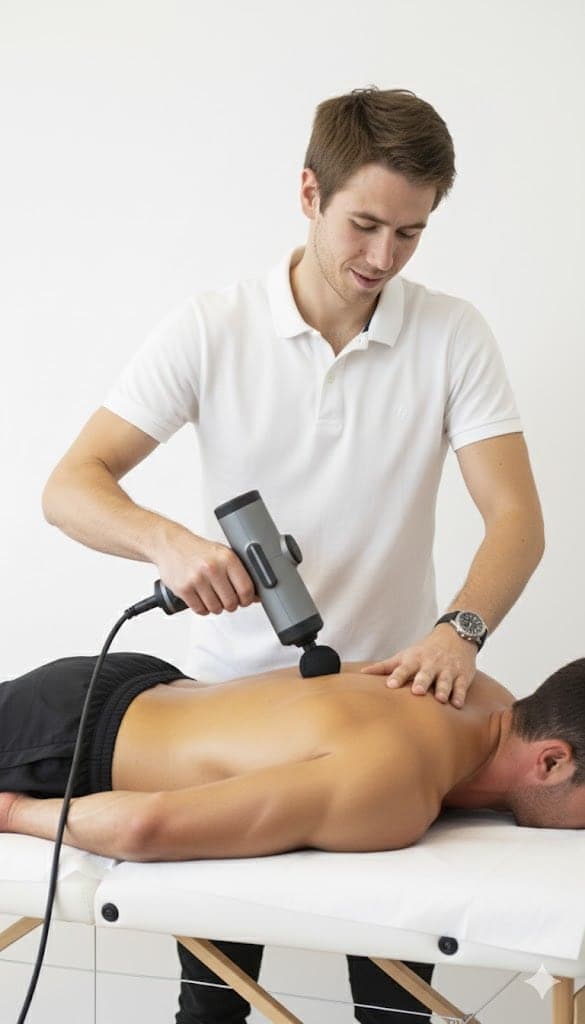
Written by
Chris
Massage therapist, nutrition and exercise physiologist
Norwegian-certified with a Bachelor’s in Physical Education and Nutrition and over ten years of clinical practice, working from a portable table in clients’ homes across the Paphos district.
This article is general information, not a medical diagnosis. If you have severe, worsening or unexplained pain, numbness, weakness, or pain after an accident, see a doctor first.