
What is clinical massage: the science-based approach to lasting pain relief
In short
Discover what clinical massage really means and how it differs from traditional massage therapy. Learn the advanced techniques that deliver lasting results for chronic pain.
I still remember the moment that changed everything. Ten years ago, fresh out of university with my degree in Physical Education and Nutrition, I watched a colleague attempt to treat a client’s chronic shoulder impingement with traditional massage techniques. After ninety minutes of kneading and rubbing, the client left with temporary relief that would vanish within hours. That’s when I realized we needed to fundamentally rethink what therapeutic bodywork could accomplish.
Clinical massage isn’t just another spa treatment with fancy terminology attached. It’s a precise, scientifically-grounded therapeutic intervention that targets the mechanical causes of musculoskeletal dysfunction. When people ask me what is clinical massage, I explain it this way: it’s the difference between temporarily masking pain and durably resolving the underlying biomechanical issues that create it. After a decade of specializing exclusively in advanced mechanical deep-tissue work, I’ve witnessed this distinction transform hundreds of lives.
The confusion around clinical massage stems from the massage industry’s broad spectrum of services. Traditional massage focuses on relaxation and temporary symptom relief through superficial tissue manipulation. Clinical massage, however, operates at the intersection of anatomy, physiology, and biomechanics. It’s therapeutic intervention designed to restore optimal function to compromised tissue systems. When I treat a client with chronic lower back pain, I’m not simply working to make them feel good for an hour – I’m systematically addressing the fascial restrictions, muscle imbalances, and movement compensations that perpetuate their condition.
The scientific foundation behind clinical massage therapy
What separates clinical massage from conventional approaches is its foundation in evidence-based tissue manipulation principles. During my university studies in Norway, I immersed myself in the biomechanics of human movement, studying how connective tissue responds to precisely applied mechanical forces. This knowledge became the cornerstone of my practice philosophy: treat the cause, not merely the symptoms.
Clinical massage operates on the principle of mechanotransduction – the process by which mechanical forces applied to tissue create cellular-level changes that promote healing and restoration. When I apply specific pressure vectors to restricted fascia, I’m triggering a cascade of physiological responses: increased local blood flow, enhanced lymphatic drainage, and the breakdown of pathological cross-linkages between collagen fibers. This isn’t theoretical – it’s measurable, reproducible science.
The depth and precision required for clinical effectiveness simply cannot be achieved through traditional hand-based techniques. Human hands fatigue, lack consistent pressure application, and cannot penetrate deeply enough to reach the source of chronic restrictions. This limitation led me to develop my specialized approach using advanced mechanical tools that deliver what I call the three pillars of clinical success: Precision, Power, and Consistency.
My specialized machine works deeper than human hands can reach, accessing tissue layers that harbor the root causes of chronic pain patterns. The controlled mechanical advantage allows me to maintain therapeutic pressure for extended periods without fatigue, ensuring that each treatment session achieves maximum tissue reorganization. Most importantly, the consistency eliminates variables that compromise treatment outcomes – there are no “off days” where the therapy is less effective.
How clinical massage differs from traditional massage therapy
The distinction between clinical massage and traditional massage therapy extends far beyond technique – it’s a fundamental difference in therapeutic philosophy and outcome expectations. Traditional massage therapy primarily addresses the subjective experience of tension and stress through relaxation-focused interventions. Clinical massage targets objective, measurable dysfunction in the musculoskeletal system with the goal of lasting resolution.
When a client comes to me with chronic tension headaches, I don’t simply work on their neck and shoulders hoping to provide temporary relief. I conduct a comprehensive assessment of their cervical spine mechanics, identify the specific fascial restrictions contributing to their symptoms, and develop a targeted treatment protocol designed to restore normal tissue function. This systematic approach consistently produces lasting results because it addresses the mechanical reality of their condition.
The treatment environment also reflects this clinical distinction. While traditional massage often occurs in dimly lit, music-filled spaces designed for relaxation, my clinical work requires focused attention on precise tissue manipulation. I travel to clients’ locations with professional equipment, creating a clinical treatment environment wherever we work. This isn’t about ambiance – it’s about optimizing conditions for therapeutic precision.
Duration and frequency protocols differ significantly as well. Traditional massage typically follows standardized session lengths regardless of the specific condition being addressed. Clinical massage treatment plans are individualized based on tissue assessment findings and progress monitoring. Some clients require shorter, more frequent sessions to address acute restrictions, while others benefit from longer treatments targeting complex chronic patterns.
The most significant difference lies in outcome measurement. Traditional massage success is often gauged by subjective feelings of relaxation or temporary pain reduction. Clinical massage effectiveness is measured by objective improvements in range of motion, functional movement patterns, and pain-free activity participation. I track these metrics throughout treatment to ensure we’re achieving measurable progress toward lasting resolution.
Clinical massage techniques and specialized methods
The techniques employed in clinical massage represent a significant departure from traditional massage modalities. My specialized approach utilizes mechanical tools specifically designed to deliver therapeutic forces that exceed human capability while maintaining precise control over treatment parameters. This technology enables me to access deep tissue restrictions that would be impossible to address through conventional methods.
The machine I use operates on advanced biomechanical principles, delivering controlled oscillatory forces that penetrate through multiple tissue layers. Unlike static pressure applied by hands, these dynamic forces create a pumping action that enhances fluid exchange within treated tissues while simultaneously breaking down pathological adhesions between fascial planes. The result is more comprehensive tissue reorganization in less time.
Pressure gradation represents another critical technical advantage. Human hands can apply approximately 20-30 pounds of pressure before fatigue compromises effectiveness. My mechanical system delivers up to 150 pounds of precisely controlled force, allowing me to reach deep stabilizing muscles and thick fascial layers that harbor chronic restrictions. For competitive athletes requiring maximum tissue penetration, this capability is absolutely essential.
Treatment angle optimization is equally important. The human wrist and forearm create natural limitations in the angles from which therapeutic pressure can be applied. My specialized tools provide 360-degree treatment vector capability, enabling me to approach restricted tissue from optimal angles that maximize mechanical advantage. This precision targeting dramatically improves treatment efficiency and outcome consistency.
Integration with movement assessment forms the foundation of my clinical approach. Before beginning hands-on work, I conduct comprehensive functional movement screening to identify specific restriction patterns and compensatory mechanisms. This assessment guides treatment focus and enables me to address the root causes of dysfunction rather than simply treating symptomatic areas. The combination of precise tissue work with movement-based assessment creates a truly clinical intervention.
Understanding the therapeutic benefits of clinical massage
The therapeutic benefits of clinical massage extend far beyond temporary pain relief, encompassing measurable improvements in tissue quality, movement function, and overall physical performance. After ten years of clinical practice, I’ve documented consistent patterns of improvement that demonstrate why this approach produces superior long-term outcomes compared to conventional massage therapy.
Fascial system restoration represents the primary therapeutic mechanism through which clinical massage creates lasting change. The fascial network – the connective tissue web that surrounds and interpenetrates every muscle, organ, and structure in the body – becomes restricted and dysfunctional due to injury, chronic postural stress, and movement compensations. These restrictions create pain, limit mobility, and compromise functional performance.
My clinical approach systematically addresses fascial restrictions through precise mechanical intervention that restores normal tissue extensibility and gliding function. When fascial layers can move freely relative to each other, pain diminishes, range of motion improves, and normal movement patterns return. This isn’t temporary symptom masking – it’s genuine tissue rehabilitation that creates lasting positive change.
Neuromuscular re-education occurs simultaneously with fascial restoration. Chronic pain and restricted movement create altered neural firing patterns that perpetuate dysfunction even after tissue restrictions are resolved. Clinical massage interventions provide proprioceptive input that helps reset normal neuromuscular coordination. Clients frequently report not just pain reduction, but improved movement quality and enhanced body awareness following treatment.
Circulatory enhancement through deep tissue work creates additional therapeutic benefits. The mechanical forces applied during clinical massage significantly increase local blood flow and lymphatic drainage in treated areas. Enhanced circulation accelerates healing, reduces inflammatory waste product accumulation, and improves tissue nutrition. These physiological improvements support the structural changes achieved through direct tissue manipulation.
Performance optimization emerges as tissues return to normal function. Athletes I treat consistently report improvements in power output, endurance, and movement efficiency following clinical massage interventions. This occurs because optimally functioning tissues can generate force more effectively and resist fatigue longer than restricted, dysfunctional tissues. The performance benefits extend to recreational activities and daily life functions as well.
Who can benefit from clinical massage therapy
Clinical massage provides significant therapeutic value for individuals across a broad spectrum of conditions and performance goals. My decade of specialized practice has shown me that nearly everyone can benefit from this approach, though the specific applications and treatment protocols vary considerably based on individual needs and circumstances.
Chronic pain sufferers represent the largest population I serve, particularly those who have exhausted conventional treatment options without achieving lasting relief. I regularly work with clients who have experienced years of recurring lower back pain, persistent neck tension, or chronic headaches that limit their quality of life. These individuals often come to me after unsuccessful attempts with traditional massage, chiropractic care, and even medical interventions.
The key to success with chronic pain clients lies in understanding that their symptoms represent complex dysfunction patterns that developed over months or years. Quick fixes don’t work because the underlying tissue restrictions and movement compensations require systematic, sustained intervention. My clinical approach addresses these deep-seated patterns through progressive tissue restoration that creates lasting positive change.
Competitive athletes comprise another significant portion of my practice, seeking performance optimization and injury prevention through superior tissue maintenance. Elite performers understand that marginal improvements in tissue quality can translate into measurable competitive advantages. They also recognize that traditional massage, while pleasant, doesn’t provide the therapeutic depth necessary for serious athletic performance enhancement.
Working professionals experiencing occupational strain benefit tremendously from clinical massage interventions. Desk workers with forward head posture, construction workers with chronic shoulder tension, and healthcare providers with repetitive strain injuries all develop predictable patterns of tissue restriction that respond excellently to targeted clinical treatment. The key is addressing these patterns before they progress to the point of significant pain or functional limitation.
Post-injury rehabilitation cases require particularly sophisticated clinical assessment and treatment planning. I work with clients recovering from motor vehicle accidents, sports injuries, and surgical procedures who need to restore optimal tissue function for complete healing. Traditional massage often falls short in these situations because it lacks the precision and depth necessary to address complex scar tissue formation and movement compensation patterns.
Clinical massage vs relaxation massage: key differences
The distinction between clinical massage and relaxation massage represents one of the most fundamental misconceptions in therapeutic bodywork. Many clients initially assume that harder pressure or longer sessions automatically make massage more “clinical,” but the reality involves far more sophisticated differences in assessment, technique, and outcome measurement.
Intent and outcome expectations create the primary distinction between these approaches. Relaxation massage aims to provide stress reduction and temporary comfort through pleasant sensory experiences. Clinical massage targets specific dysfunction patterns with measurable improvement goals. When I treat a client, we establish clear functional objectives – increased shoulder range of motion, reduced morning stiffness, improved athletic performance – and track progress toward those goals throughout treatment.
Assessment depth separates clinical work from relaxation-focused massage. Before beginning treatment, I conduct comprehensive postural analysis, movement screening, and tissue palpation to identify specific restriction patterns and compensation mechanisms. This assessment guides treatment focus and enables me to target interventions where they will create maximum functional improvement. Relaxation massage rarely includes such detailed evaluation because symptoms relief is the primary goal.
Technical precision represents another crucial difference. My clinical approach requires exact pressure application, specific treatment angles, and precise tissue targeting to achieve therapeutic objectives. The mechanical tools I use enable this precision while maintaining treatment intensity throughout each session. Relaxation massage techniques prioritize client comfort over therapeutic precision, often sacrificing treatment effectiveness for pleasant sensations.
Treatment environment and professional boundaries reflect these different therapeutic orientations. Clinical massage occurs in focused, professional settings where both practitioner and client maintain clear attention on treatment objectives. Conversation is minimal and directly related to treatment feedback. This differs significantly from the social, relaxing atmosphere typically associated with spa-style massage experiences.
Long-term planning distinguishes clinical work from occasional relaxation sessions. I develop individualized treatment protocols spanning multiple sessions with specific milestones and progress checkpoints. Clients commit to treatment series designed to achieve lasting improvement rather than scheduling occasional sessions for temporary stress relief. This partnership approach ensures we achieve lasting results that justify the investment in clinical care.
The role of assessment in clinical massage treatment
Comprehensive assessment forms the foundation of effective clinical massage intervention, distinguishing professional therapeutic work from generic massage applications. My assessment process draws from ten years of experience and my educational background in Physical Education and Nutrition to identify the specific mechanical dysfunction patterns that create each client’s symptoms.
Postural analysis begins every clinical evaluation, providing crucial insights into chronic loading patterns that stress tissues and create restriction development. I photograph clients from multiple angles, documenting head position, shoulder alignment, pelvic orientation, and weight distribution patterns. These postural deviations reveal compensation mechanisms that must be addressed for lasting therapeutic success.
Movement screening follows postural documentation, testing functional patterns that expose restriction locations and severity. I guide clients through standardized movement assessments including overhead reaching, spinal rotation, hip flexion, and neck extension. Limitations in these fundamental patterns indicate specific areas requiring clinical intervention while establishing baseline measurements for progress tracking.
Tissue palpation provides the most detailed assessment information, revealing restriction depth, texture changes, and pain referral patterns that guide treatment planning. My hands detect fascial adhesions, trigger point formations, and inflammation indicators that explain symptom development and persistence. This tactile assessment capability developed through thousands of hours of specialized practice enables precise treatment targeting.
Symptom history documentation completes the assessment process, connecting current dysfunction patterns with past injuries, occupational stresses, and lifestyle factors. Understanding how restrictions developed helps me predict treatment response patterns and design appropriate intervention protocols. Some chronic patterns require longer treatment series while acute restrictions often resolve more rapidly.
Reassessment occurs throughout treatment to monitor progress and adjust techniques as tissues respond to intervention. I document range of motion improvements, pain scale reductions, and functional capacity increases to ensure we achieve measurable progress toward established goals. This systematic approach ensures clinical accountability and justifies continued treatment investment.
Specialized equipment and advanced techniques
The sophisticated equipment I employ represents a quantum leap beyond traditional massage tools, enabling therapeutic interventions that would be impossible through conventional hand-based techniques. After years of searching for technology that could match my clinical standards, I developed a specialized system that delivers the precision, power, and consistency essential for lasting therapeutic results.
My primary treatment tool operates on advanced mechanical principles that generate controlled oscillatory forces ranging from gentle fascial release to deep structural work suitable for elite athletes. The machine’s variable frequency and amplitude settings allow me to customize treatments for each client’s specific tissue characteristics and tolerance levels. This level of control ensures optimal therapeutic stimulation while maintaining complete treatment safety.
The depth penetration capability of this system exceeds human limitations by substantial margins. While hand-based massage can effectively address superficial tissue layers, chronic restrictions often develop in deep stabilizing muscles and thick fascial structures that require significantly more force to access. My mechanical system delivers up to 150 pounds of precisely controlled pressure, reaching tissue layers that remain untouched by conventional massage approaches.
Treatment angle optimization represents another significant technological advantage. The machine’s articulated design provides 360-degree treatment vector capability, enabling me to approach restricted tissues from biomechanically optimal angles. This precision targeting dramatically improves treatment efficiency while reducing session duration requirements. Clients achieve superior results in less time compared to traditional massage approaches.
Professional mobility distinguishes my service delivery from clinic-based practices. I transport complete treatment setups to client locations, including a professional massage bench, the specialized treatment machine, and all necessary support equipment. This mobile clinical capability enables me to provide optimal treatment environments wherever clients prefer to receive care, eliminating travel barriers that often compromise treatment consistency.
Equipment maintenance and calibration ensure consistent treatment delivery regardless of location or session timing. I perform daily equipment checks and regular calibrations to maintain precise force output and treatment timing. This attention to technical details eliminates variables that could compromise treatment effectiveness, ensuring that every session delivers identical therapeutic capability.
Treatment protocols and session planning
Effective clinical massage requires sophisticated treatment planning that extends far beyond individual session goals to encompass comprehensive rehabilitation and optimization strategies. My protocol development process combines assessment findings, client objectives, and evidence-based progression principles to create individualized treatment series that produce lasting positive change.
Initial treatment sessions focus on establishing tissue tolerance and documenting baseline response patterns. I begin with moderate intensity interventions that provide significant therapeutic stimulation while avoiding excessive tissue stress that could create protective guarding responses. This conservative approach enables me to gauge individual tissue characteristics and adjust subsequent sessions for optimal therapeutic progression.
Progressive overload principles guide treatment intensity advancement throughout the series. As tissues adapt to therapeutic stimulation and restrictions begin resolving, I systematically increase treatment depth and duration to continue promoting positive adaptation. This graduated approach ensures continuous progress while preventing treatment plateaus that limit ultimate outcome achievement.
Session frequency recommendations vary based on condition severity, tissue response patterns, and client availability constraints. Acute restrictions often require frequent sessions initially – sometimes three times weekly – to prevent reformation of adhesions between treatments. Chronic patterns typically respond well to weekly sessions that allow adequate recovery time while maintaining therapeutic momentum.
Treatment area rotation prevents overwork of specific tissue regions while ensuring comprehensive dysfunction pattern addressing. I alternate between primary restriction sites and supporting areas that contribute to overall movement compensation patterns. This systematic approach creates balanced tissue improvement and prevents the regional overtreatment that can temporarily increase discomfort.
Progress milestone establishment provides objective markers for treatment effectiveness evaluation and protocol adjustment. We establish specific functional goals – such as pain-free overhead reaching or 30-minute sitting tolerance – and track improvement at regular intervals. When progress stalls, I modify treatment approaches or investigate contributing factors that may require additional intervention strategies.
Long-term benefits and maintenance strategies
The ultimate goal of clinical massage intervention extends beyond symptom resolution to encompass lasting tissue optimization and performance enhancement. My decade of specialized practice has demonstrated that properly executed clinical treatment creates lasting positive changes that continue benefiting clients long after formal treatment concludes.
Tissue quality improvements represent the foundation of long-term therapeutic success. Clinical massage systematically restores normal fascial extensibility, muscle fiber organization, and neuromuscular coordination that support pain-free movement and optimal performance. These structural improvements remain stable once achieved, providing the basis for sustained functional enhancement.
Movement pattern optimization occurs as restricted tissues regain normal function and compensation mechanisms resolve. Clients report not just pain reduction, but improved movement efficiency, enhanced body awareness, and increased confidence in physical activities. These functional improvements typically persist indefinitely when supported by appropriate maintenance strategies.
Performance enhancement benefits extend to athletic pursuits, occupational tasks, and recreational activities. Optimally functioning tissues generate force more effectively, resist fatigue longer, and recover faster from exertion. Elite athletes I treat consistently report measurable improvements in power output, endurance, and injury resistance that contribute to competitive success.
Maintenance session requirements vary considerably based on individual lifestyle factors, occupational stresses, and genetic tissue characteristics. Most clients benefit from quarterly sessions designed to address minor restriction accumulation before it progresses to symptomatic levels. Others with more demanding physical requirements may need monthly maintenance to sustain optimal tissue function.
Self-management education forms an integral component of long-term success strategies. I teach clients specific movement exercises, postural awareness techniques, and early restriction recognition skills that enable them to maintain treatment gains independently. This education component reduces long-term dependence on professional intervention while empowering clients to participate actively in their tissue health maintenance.
Common misconceptions about clinical massage
Numerous misconceptions surround clinical massage therapy, often preventing individuals from accessing this powerful therapeutic intervention. My years of clinical practice have exposed me to persistent myths that limit treatment effectiveness and create unrealistic client expectations. Addressing these misconceptions directly is essential for maximizing therapeutic outcomes.
The “more pressure equals better results” fallacy represents one of the most damaging misconceptions I encounter regularly. Many clients initially request maximum pressure intensity, believing that deeper work automatically produces superior therapeutic benefits. In reality, optimal therapeutic pressure varies significantly based on tissue characteristics, restriction depth, and individual tolerance patterns. Excessive pressure can create protective muscle guarding that actually impedes therapeutic progress.
Pain during treatment is often misinterpreted as evidence of therapeutic effectiveness. While clinical massage may involve some discomfort as restrictions are addressed, excessive pain indicates tissue stress that compromises healing responses. My specialized equipment enables me to work at therapeutic depths while maintaining client comfort levels that promote positive tissue adaptation rather than defensive reactions.
The one-size-fits-all session approach represents another significant misconception. Many massage establishments offer standardized treatment durations regardless of specific client needs or condition complexity. Clinical massage requires individualized session planning based on assessment findings, tissue response patterns, and functional objectives. Some conditions require shorter, frequent sessions while others benefit from longer, comprehensive treatments.
Immediate results expectations often create disappointment when clients don’t experience complete resolution after single sessions. Chronic restrictions that developed over months or years require sustained intervention for lasting resolution. I educate clients about realistic timelines and help them recognize subtle improvements that indicate positive therapeutic progression even before dramatic symptom changes occur.
The relaxation versus therapeutic effectiveness confusion leads many clients to prioritize comfort over clinical outcomes. While clinical massage should not be excessively painful, it requires focused attention on specific therapeutic objectives rather than general relaxation goals. Clients who understand this distinction achieve superior results because they can provide accurate treatment feedback and participate actively in their recovery process.
Frequently asked questions about clinical massage
What makes clinical massage different from regular massage therapy?
Clinical massage differs fundamentally in its scientific approach, assessment depth, and outcome objectives. Rather than focusing on relaxation and temporary symptom relief like traditional massage, clinical work targets specific mechanical dysfunction patterns with measurable improvement goals. My specialized training in Physical Education and Nutrition, combined with advanced mechanical tools, enables me to address tissue restrictions that conventional massage cannot reach. The treatment plans are individualized based on comprehensive assessment findings and progress tracking, creating lasting therapeutic changes rather than temporary comfort. This systematic approach consistently produces lasting results because it addresses the root causes of dysfunction rather than simply managing symptoms.
How deep does clinical massage work compared to traditional massage?
Clinical massage penetrates significantly deeper than traditional hand-based techniques, accessing tissue layers that harbor chronic restrictions and dysfunction patterns. My specialized mechanical system delivers up to 150 pounds of precisely controlled pressure, enabling treatment of deep stabilizing muscles and thick fascial structures that remain untouched by conventional massage approaches. Human hands typically fatigue at 20-30 pounds of pressure, limiting their therapeutic depth and effectiveness. The controlled mechanical advantage allows sustained deep tissue work that creates structural changes in restricted tissues, while traditional massage primarily affects superficial layers. This depth capability is essential for addressing chronic pain patterns and optimizing athletic performance where surface-level treatment proves insufficient.
What conditions respond best to clinical massage therapy?
Clinical massage produces exceptional results for chronic pain conditions, movement restrictions, and performance optimization goals that have not responded adequately to conventional treatments. I consistently see dramatic improvements in chronic lower back pain, persistent neck tension, recurring headaches, and occupational strain injuries like repetitive stress disorders. Post-injury rehabilitation cases respond particularly well because clinical techniques can address complex scar tissue formation and movement compensation patterns that limit complete recovery. Competitive athletes benefit enormously from the tissue optimization that enhances performance and prevents injury recurrence. The key factor is chronicity – conditions that have persisted despite other interventions typically indicate deep tissue restrictions that require the precision and depth of clinical massage to achieve lasting resolution.
How many sessions are typically needed to see lasting results?
Treatment duration varies significantly based on condition complexity, chronicity, and individual tissue response patterns, but most clients begin experiencing meaningful improvements within 3-4 sessions. Acute restrictions often resolve within 6-8 treatments, while chronic patterns that developed over years may require 12-16 sessions for complete resolution. I establish specific functional milestones during initial assessment and track progress toward these objectives throughout treatment. The goal is always lasting improvement rather than ongoing symptom management, so treatment concludes when functional objectives are achieved and tissues maintain their improved state independently. Some clients choose quarterly maintenance sessions to prevent minor restriction accumulation, but this represents optimization rather than ongoing therapeutic necessity. The investment in comprehensive treatment series produces lasting results that justify the time and financial commitment required for lasting resolution.
Is clinical massage painful, and what should I expect during treatment?
Clinical massage involves therapeutic pressure that may cause some discomfort as restrictions are addressed, but it should never be excessively painful or create protective muscle guarding responses. My specialized equipment enables precise pressure control that maintains therapeutic intensity while respecting individual tolerance levels. I constantly monitor client feedback and adjust treatment parameters to ensure optimal therapeutic stimulation without overwhelming tissue defenses. Most clients describe the sensation as “good pain” – uncomfortable but clearly beneficial, similar to the feeling during effective stretching or exercise. The discomfort typically diminishes as tissues begin responding to treatment, and many clients find the process remarkably satisfying as chronic tension patterns finally release. Treatment sessions conclude with tissues feeling lighter, more mobile, and functionally improved despite any temporary soreness from deep work.
How does your mobile service work, and what equipment do you bring?
I provide complete clinical massage services at client locations, transporting professional equipment that creates optimal treatment environments wherever you prefer to receive care. My mobile setup includes a high-quality massage bench designed for clinical work, the specialized mechanical treatment system, and all necessary support equipment for comprehensive therapeutic interventions. This eliminates travel barriers that often compromise treatment consistency while providing the convenience of professional clinical care in familiar surroundings. The equipment setup requires approximately 15 minutes before treatment and minimal space – typically just enough room for the massage bench and treatment access from multiple angles. All equipment meets professional standards for safety and effectiveness, ensuring that mobile treatments deliver identical therapeutic capability to traditional clinic-based services. This service model enables consistent treatment scheduling that supports optimal therapeutic progression toward lasting results.
What should I do to prepare for a clinical massage session?
Preparation for clinical massage involves several important considerations that enhance treatment effectiveness and ensure optimal therapeutic outcomes. Arrive well-hydrated, as deep tissue work increases metabolic demands and requires adequate fluid for optimal tissue response. Avoid alcohol consumption for at least 24 hours prior to treatment, as it can interfere with tissue healing responses and accurate feedback during therapy. Wear or bring comfortable, loose-fitting clothing that allows easy access to treatment areas while maintaining appropriate coverage. Complete any movement assessment tasks I provide before the session, as this helps identify restriction patterns and establishes baseline measurements. Most importantly, come prepared to provide detailed feedback about pressure levels, comfort, and sensations during treatment, as this information guides therapeutic decisions and ensures optimal session outcomes. Eating a light meal 1-2 hours before treatment prevents nausea while ensuring adequate energy for tissue healing responses.
What makes your method superior to traditional massage approaches?
My clinical approach delivers superior results through three fundamental advantages: precision, power, and consistency that cannot be achieved through traditional massage techniques. The specialized mechanical system provides exact pressure control and unlimited treatment duration without practitioner fatigue, ensuring every session delivers optimal therapeutic stimulation. Treatment depth exceeds human capability by substantial margins, accessing tissue layers where chronic restrictions actually develop rather than simply addressing superficial symptoms. Assessment-based treatment planning targets specific dysfunction patterns with measurable objectives, creating accountability for results that traditional massage rarely provides. The scientific foundation in biomechanics and tissue physiology ensures interventions address root causes rather than temporary symptom management. Most significantly, the systematic approach produces lasting resolution of chronic conditions rather than requiring ongoing sessions for temporary relief. This represents genuine healthcare investment rather than indefinite expense, providing lasting functional improvement and enhanced quality of life that justifies the commitment to clinical excellence.
Evidence and limits
Massage may help with some symptoms, but benefits and evidence vary by condition. It does not replace medical assessment or treatment. A page update is not evidence of an independent clinical review.
Further reading: Massage therapy: evidence, safety and limitations by US National Center for Complementary and Integrative Health. This is general background reading, not verification of every claim in this article.
How we describe evidence and updates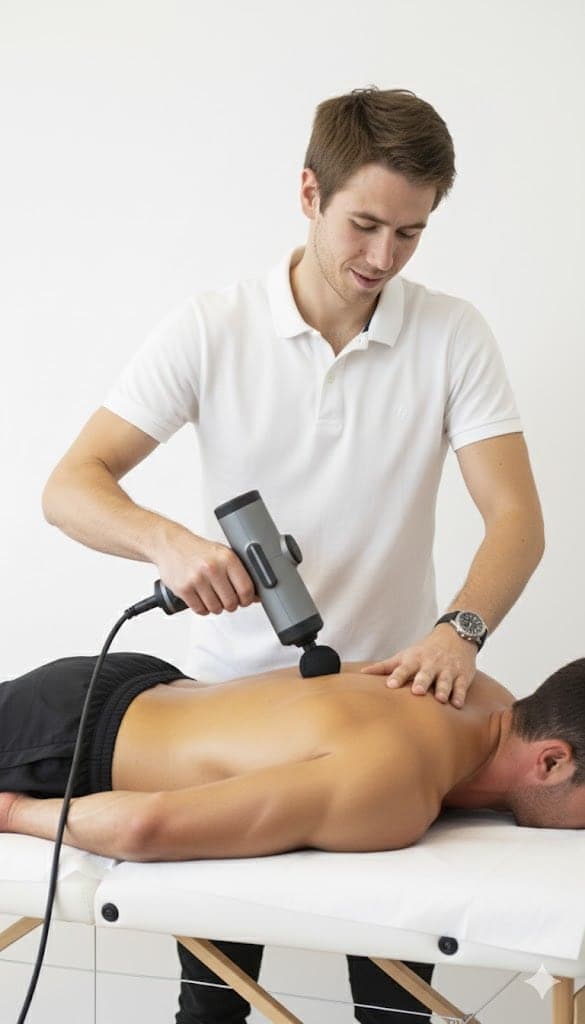
Written by
Chris
Massage therapist, nutrition and exercise physiologist
Norwegian-certified with a Bachelor’s in Physical Education and Nutrition and over ten years of clinical practice, working from a portable table in clients’ homes across the Paphos district.
This article is general information, not a medical diagnosis. If you have severe, worsening or unexplained pain, numbness, weakness, or pain after an accident, see a doctor first.