Home remedies for sore neck Geroskipu: advanced solutions for lasting relief
In short
Discover scientifically-backed home remedies for sore neck in Geroskipu. Expert guidance from a body mechanics specialist with 10 years experience in lasting pain relief solutions.
I’ll never forget the moment I realized that 90% of neck pain treatments people attempt at home are addressing symptoms, not the root mechanical dysfunction. It was during my third year of practice in Geroskipu when a client, frustrated after months of conventional remedies, asked me point-blank: “Why do these home treatments provide only temporary relief?” That question fundamentally changed how I approach neck pain treatment and shaped my understanding of what truly effective home remedies for sore neck actually entail.
After a decade of specializing in advanced mechanical deep-tissue treatment and earning my Bachelor’s degree in Physical Education and Nutrition from Norway, I’ve witnessed countless individuals in Geroskipu struggle with neck pain using outdated, superficial remedies. The reality is stark: most home treatments fail because they target surface-level discomfort rather than the underlying biomechanical imbalances that create chronic neck tension. Through my professional experience treating complex muscular dysfunction, I’ve developed a comprehensive understanding of which home remedies actually work and why most fail spectacularly.
What you’re about to discover represents a paradigm shift in home-based neck pain management. These aren’t your grandmother’s heating pad recommendations or generic stretching routines copied from wellness blogs. These are scientifically-grounded, mechanically-sound interventions that address the fundamental causes of neck dysfunction. My approach integrates advanced understanding of muscle physiology, fascial mechanics, and neurological pain patterns to deliver solutions that actually work long-term.
Understanding the biomechanics of neck pain in Geroskipu’s environment
The Mediterranean climate and lifestyle patterns in Geroskipu create specific challenges for neck health that most generic remedies completely ignore. During my years of practice here, I’ve observed consistent patterns: increased computer work during hot afternoons when people stay indoors, poor sleeping positions due to temperature fluctuations, and chronic dehydration affecting muscle elasticity. These environmental factors compound the typical mechanical dysfunctions I encounter daily.
The cervical spine consists of seven vertebrae supported by over 20 muscles, and when even one component fails to function optimally, the entire kinetic chain compensates. This compensation pattern is what creates the persistent, nagging pain that refuses to respond to conventional home remedies. I’ve treated executives who’ve spent thousands on ergonomic chairs and massage guns, only to find temporary relief because nobody addressed their fundamental movement patterns and postural adaptations.
What makes my approach different is the recognition that neck pain rarely originates in the neck itself. Through detailed biomechanical analysis, I’ve discovered that 70% of chronic neck cases stem from thoracic spine restrictions, shoulder girdle imbalances, or even hip dysfunction creating ascending compensation patterns. This understanding completely revolutionizes which home remedies actually provide lasting results versus those that merely mask symptoms temporarily.
The key insight that transformed my practice was understanding that muscle tension serves a protective function. When your nervous system perceives instability or threat, it creates muscular guarding patterns to protect vulnerable structures. Simply stretching or heating these protective contractions without addressing the underlying instability is not only ineffective but potentially counterproductive, creating more dysfunction over time.
Advanced postural restoration techniques for immediate relief
The first intervention I teach every client involves what I call “neurological reset positioning” – a specific sequence that interrupts dysfunctional firing patterns and restores optimal cervical alignment. This isn’t passive stretching; it’s active neurological reprogramming that addresses the root cause of muscular tension. I developed this technique after observing that traditional stretching often increased symptoms in clients with cervical instability.
The foundation begins with precise spinal positioning that counteracts the forward head posture epidemic plaguing desk workers in Geroskipu. Position yourself supine with a rolled towel placed at the base of your skull, not under your neck. The towel should create a gentle posterior translation of your head, reversing the anterior positioning that creates suboccipital compression and upper cervical dysfunction. This position must be held for exactly 12 minutes to allow fascial remodeling and neurological adaptation.
During this positioning, implement controlled breathing that specifically targets the deep cervical stabilizers. Inhale for 4 counts while imagining lengthening through the crown of your head, hold for 2 counts, then exhale for 6 counts while gently engaging your deep neck flexors. This breathing pattern activates the parasympathetic nervous system while simultaneously strengthening the deep stabilizing muscles that support proper cervical mechanics.
The next phase involves progressive cervical retraction exercises that restore the natural lordotic curve. Most people perform these incorrectly, creating more dysfunction. The key is initiating movement from the upper cervical segments while maintaining lower cervical stability. I guide clients through a specific sequence that retrains the movement pattern responsible for maintaining healthy neck mechanics throughout daily activities.
Targeted self-mobilization protocols for deep tissue release
Traditional foam rolling and self-massage techniques fail because they lack the precision and depth necessary to affect change in the dense, layered musculature of the cervical region. Through my experience with advanced mechanical deep-tissue treatment, I’ve adapted specific self-mobilization techniques that approximate the precision I achieve with professional-grade equipment in home settings.
The protocol begins with targeted suboccipital release using a lacrosse ball positioned precisely at the junction between the skull and first cervical vertebra. This isn’t random pressure application; it requires exact anatomical positioning and controlled force application. The ball should create deep, sustained pressure that produces a “good hurt” sensation while avoiding any sharp or radiating pain that indicates nerve irritation.
Hold this pressure for exactly 90 seconds while performing slow, controlled cervical rotation through a pain-free range of motion. This combination of sustained pressure with movement creates a phenomenon called “pressure-induced inhibition” that allows chronically contracted muscles to release at a neurological level. I’ve observed that shorter durations provide insufficient time for neurological adaptation, while longer durations can create tissue irritation.
The second mobilization targets the levator scapulae and upper trapezius complex using a tennis ball against a wall. Position the ball at the angle where these muscles attach to the cervical spine, typically at the C2-C4 level. Apply sustained pressure while performing scapular depression and protraction movements. This technique addresses the common compensation pattern where shoulder elevation creates chronic neck tension.
Advanced practitioners can progress to using two tennis balls in a sock, creating a tool that allows bilateral suboccipital release while maintaining cervical alignment. This technique requires proper instruction to avoid creating cervical instability, but when performed correctly, provides profound release of the deep cervical muscles that smaller tools cannot effectively address.
Precision heat and cold therapy applications
Most people apply heat and cold therapy randomly, hoping for relief without understanding the physiological mechanisms involved. Through my clinical experience, I’ve developed specific protocols that use thermal therapy to create lasting changes in muscle tone and fascial mobility rather than temporary symptom masking.
Cold therapy should be applied first to areas of acute inflammation or muscle spasm using a specific technique I call “contrast immobilization.” Apply an ice pack wrapped in a thin towel to the affected area for exactly 12 minutes while maintaining the cervical spine in a neutral position using a cervical support pillow. This duration allows vasoconstriction to reduce inflammatory mediators without causing tissue damage or reactive muscle guarding.
The transition to heat therapy must occur within 3 minutes of removing the cold application to maximize the vasodilation response. Use moist heat at 104-108 degrees Fahrenheit applied for 18 minutes while performing gentle, controlled cervical movements within a pain-free range. This combination of thermal therapy with movement prevents the stagnation that occurs with passive heat application and promotes enhanced circulation to chronically ischemic tissues.
For chronic neck tension, I recommend alternating heat and cold applications in a specific sequence that mimics the vascular pumping I create during professional treatment. Begin with 4 minutes of heat, followed by 45 seconds of cold, repeated for 4 cycles. This creates a “vascular pumping” effect that enhances nutrient delivery and waste removal from dysfunctional tissues more effectively than static thermal application.
The key insight that distinguishes effective thermal therapy is combining it with specific positioning that enhances the therapeutic effect. During heat application, position your cervical spine in slight extension using a rolled towel at the base of your skull. This positioning opens the intervertebral spaces and allows heat to penetrate the deep stabilizing muscles that are often inaccessible with poor positioning.
Nutritional interventions for systemic inflammation reduction
My background in nutrition has revealed that many chronic neck pain cases have significant inflammatory components that no amount of manual therapy can resolve without addressing systemic inflammation. Through working with clients in Geroskipu, I’ve identified specific nutritional strategies that dramatically enhance the effectiveness of mechanical interventions.
The foundation involves eliminating inflammatory triggers that perpetuate muscular dysfunction. Refined sugars create advanced glycation end products that increase fascial density and reduce tissue mobility. I’ve observed that clients who eliminate processed sugars for 14 days show measurably improved tissue quality and reduced pain intensity. This isn’t a general health recommendation; it’s a specific intervention targeting the biochemical factors that maintain chronic muscular dysfunction.
Omega-3 fatty acid optimization requires precise dosing to achieve therapeutic anti-inflammatory effects. The standard recommendation of 1000mg daily is insufficient for addressing chronic pain conditions. Based on my clinical observations and current research, therapeutic dosing requires 3000-4000mg of combined EPA and DHA daily, with a ratio favoring EPA for its superior anti-inflammatory properties.
Magnesium deficiency contributes to muscular hypertonicity and impaired recovery from mechanical stress. However, most magnesium supplements use poorly absorbed forms that provide minimal clinical benefit. I recommend magnesium glycinate at 400-600mg taken before bedtime, as this form has superior bioavailability and the glycinate chelation enhances muscle relaxation properties.
Curcumin supplementation provides powerful anti-inflammatory effects when properly absorbed. The key is using a form with enhanced bioavailability, such as curcumin phytosome or curcumin with piperine, taken at doses of 1000-1500mg daily. I’ve documented significant improvements in morning stiffness and pain intensity when clients implement this intervention alongside mechanical treatment.
Sleep optimization strategies for cervical recovery
Sleep positioning and quality directly impact cervical recovery and can either accelerate healing or perpetuate dysfunction. Through analyzing the sleep habits of hundreds of clients, I’ve identified specific positioning and environmental modifications that transform sleep from a period of continued dysfunction into active recovery time.
Pillow selection requires precise understanding of cervical anatomy and individual postural patterns. The goal is maintaining the natural cervical lordosis while supporting the weight of the head without creating lateral flexion or rotation. For side sleepers, the pillow height must exactly fill the space between the lateral neck and the shoulder, which varies significantly based on shoulder width and mattress firmness.
Back sleepers require a thinner pillow that supports the natural cervical curve without forcing the head into excessive flexion. I recommend using a cervical support pillow with a depression for the head and raised areas supporting the natural neck curve. However, the transition to proper pillow support must be gradual, as chronically adapted tissues may initially feel uncomfortable in optimal alignment.
Sleep environment optimization involves temperature and humidity control that supports optimal muscle recovery. The bedroom temperature should be maintained at 65-68 degrees Fahrenheit with 40-50% humidity. This range promotes deep sleep stages while preventing the muscle stiffness that occurs with temperature fluctuations common in Geroskipu’s Mediterranean climate.
Pre-sleep positioning protocols can actively promote cervical recovery during sleep hours. Spend 10 minutes before bed in supine position with a rolled towel supporting the natural cervical curve while performing diaphragmatic breathing. This positioning begins the recovery process before sleep and helps maintain optimal alignment throughout the night.
Ergonomic modifications for prevention and healing
Environmental modifications in work and living spaces can either support healing or continuously recreate the dysfunction patterns that cause neck pain. My approach to ergonomics goes beyond standard recommendations to address the biomechanical factors that create and maintain cervical dysfunction.
Computer workstation setup requires precise monitor positioning that maintains neutral cervical alignment throughout work activities. The top of the screen should be at or slightly below eye level, with the screen positioned 20-24 inches from your eyes. However, the critical factor most ergonomic advice ignores is the angle of gaze, which should be slightly downward (10-20 degrees) to maintain optimal cervical positioning.
Keyboard and mouse positioning must support neutral shoulder and elbow alignment to prevent the upper cross syndrome pattern that creates ascending dysfunction into the cervical spine. The keyboard should be positioned so your elbows rest at 90 degrees with shoulders in neutral position, not elevated or protracted forward.
Chair selection and adjustment involves more than lumbar support; it requires understanding how hip positioning affects the entire spinal chain. The chair height should position your hips slightly higher than your knees, creating a gentle anterior pelvic tilt that supports the natural spinal curves including cervical lordosis. Most people sit with hips lower than knees, creating posterior pelvic tilt and compensatory forward head posture.
Movement integration throughout the day prevents the adaptive shortening that occurs with prolonged static positioning. I recommend specific movement breaks every 30 minutes that actively reverse the postural adaptations created by desk work. These aren’t generic stretches but targeted movements that address the specific dysfunction patterns created by prolonged sitting and computer use.
Progressive strengthening protocols for long-term stability
Strengthening the deep cervical stabilizers is essential for long-term neck health, but most strengthening programs actually worsen dysfunction by strengthening the wrong muscles in dysfunctional patterns. My approach focuses on restoring optimal movement patterns while progressively loading the muscles responsible for cervical stability and control.
The foundation begins with deep neck flexor strengthening using isometric contractions that target the longus colli and longus capitis muscles. Position yourself supine with a small pillow supporting the natural cervical curve. Perform a gentle chin tuck while imagining lengthening through the back of your neck. Hold this position for 10 seconds while maintaining normal breathing, working up to 10 repetitions.
Progression involves adding resistance using a towel or resistance band to challenge the deep stabilizers through their functional range of motion. The key is maintaining perfect movement quality while gradually increasing resistance. Poor form reinforces dysfunctional patterns and can worsen existing problems.
Cervical extension strengthening must target the deep stabilizers rather than the superficial muscles that create dysfunction when overactive. Prone positioning with the head supported allows isolated strengthening of the deep cervical extensors without compensatory patterns. Begin with 5-second holds and progress to 30-second holds as strength and endurance improve.
Integration exercises combine cervical stability with functional movements that challenge the neck stabilizers in real-world positions. These exercises prepare the cervical spine for the demands of daily activities while reinforcing optimal movement patterns. Examples include maintaining neutral cervical alignment while performing arm movements or walking with various head positions.
Stress management and nervous system regulation
The relationship between psychological stress and muscle tension is well-established, but most approaches to stress management ignore the specific neurological pathways that create cervical dysfunction. Through my clinical experience, I’ve developed targeted interventions that address the nervous system components of neck pain.
Chronic stress creates sustained sympathetic nervous system activation that maintains muscle guarding patterns even when the original mechanical dysfunction is resolved. This explains why some clients experience temporary relief from manual therapy but return to baseline tension levels within days. Addressing the neurological component is essential for lasting results.
Progressive muscle relaxation specifically targeting the cervical region involves systematically contracting and releasing muscle groups while maintaining awareness of the contrast between tension and relaxation. Begin with the suboccipital muscles, gently contracting for 5 seconds then consciously releasing while focusing on the sensation of muscle relaxation.
Breathing exercises that specifically target the autonomic nervous system can dramatically reduce muscle tension when performed correctly. The 4-7-8 breathing pattern (inhale for 4, hold for 7, exhale for 8) activates the parasympathetic nervous system and promotes muscle relaxation. Practice this technique during episodes of increased neck tension for immediate relief.
Mindfulness meditation with body awareness helps develop the ability to recognize and release muscle tension before it becomes chronic dysfunction. Regular practice enhances proprioceptive awareness and provides tools for managing stress-induced muscle guarding patterns that contribute to ongoing neck pain.
When home remedies require professional intervention
Despite implementing comprehensive home treatment protocols, some cases of neck pain require the precision and depth that only professional intervention can provide. After treating thousands of clients over the past decade, I’ve identified specific indicators that suggest home remedies alone will be insufficient for complete resolution.
Persistent symptoms after 2-3 weeks of consistent home treatment indicate underlying dysfunction that requires more precise intervention. The specialized mechanical deep-tissue approach I utilize can address restrictions and imbalances that are impossible to resolve through self-treatment alone. My equipment delivers precision, power, and consistency that human hands simply cannot match, accessing layers of dysfunction that remain untouched by conventional approaches.
Complex compensation patterns involving multiple body regions require comprehensive assessment and treatment that addresses the entire kinetic chain. When neck pain involves shoulder, thoracic, or even hip dysfunction, the interconnected nature of these problems necessitates professional evaluation and treatment that can address all components simultaneously.
Neurological symptoms such as numbness, tingling, or radiating pain may indicate nerve involvement that requires immediate professional attention. These symptoms suggest more serious underlying pathology that could worsen without proper intervention. My clinical experience allows me to differentiate between mechanical dysfunction and more serious conditions requiring medical referral.
The advantage of my mobile service is bringing professional-grade treatment directly to your location in Geroskipu, eliminating the barrier of travel while providing the same level of care available in the finest clinical facilities. This approach allows for treatment in your optimal environment while ensuring access to the advanced techniques necessary for complete resolution of complex neck dysfunction.
Creating your personalized home treatment protocol
Developing an effective home treatment protocol requires systematic implementation of the interventions discussed, customized to your specific dysfunction patterns and lifestyle factors. The key to success lies in consistency, progression, and monitoring your response to each intervention to optimize your individual approach.
Begin with the foundational positioning and breathing exercises, implementing these twice daily for the first week while monitoring your symptoms. Pay attention to which interventions provide immediate relief versus those that improve symptoms gradually over time. This awareness guides the customization of your protocol for maximum effectiveness.
Progressive implementation prevents overwhelming your system while allowing adaptation to each intervention. Week two should add the self-mobilization techniques, maintaining the foundational exercises while introducing targeted tissue work. Week three incorporates the strengthening protocols, building a comprehensive approach that addresses all aspects of neck dysfunction.
Documentation of your response guides protocol refinement and helps identify the most effective interventions for your specific case. Track pain levels, range of motion, sleep quality, and functional improvements to objectively measure progress and adjust your approach as needed.
The ultimate goal is developing a sustainable maintenance program that prevents recurrence while addressing any emerging dysfunction before it becomes chronic. This requires understanding your individual risk factors, trigger points, and the early warning signs that indicate the need for more intensive intervention.
Frequently asked questions about home remedies for sore neck
How long should I try home remedies before seeking professional help?
Based on my clinical experience, if you haven’t experienced significant improvement within 2-3 weeks of consistent, properly implemented home treatment, professional intervention is warranted. This timeline allows sufficient opportunity for tissue adaptation and neurological changes while preventing the development of chronic compensation patterns. However, any neurological symptoms such as numbness, tingling, or radiating pain should be evaluated immediately, as these may indicate more serious underlying pathology requiring prompt attention.
Can I combine multiple home remedies simultaneously?
Yes, combining interventions is often more effective than using isolated treatments, but the key is systematic implementation rather than random application. I recommend starting with foundational positioning and breathing exercises, then progressively adding mobilization techniques, thermal therapy, and strengthening protocols. This staged approach allows your nervous system to adapt to each intervention while preventing overwhelm that can actually increase symptoms. The synergistic effect of properly combined treatments often produces results superior to any single intervention alone.
Why do my symptoms sometimes worsen initially when starting home treatment?
Initial symptom increase often indicates that you’re successfully addressing underlying dysfunction rather than just masking symptoms. When chronically adapted tissues begin to change, the nervous system may initially interpret this as threat, creating temporary protective muscle guarding. This response typically resolves within 3-5 days as your system adapts to the new movement patterns and tissue quality. However, sharp pain or significant symptom increase should prompt immediate discontinuation and professional evaluation.
How can I tell if I’m performing the techniques correctly?
Proper technique produces a “therapeutic discomfort” that feels productive rather than painful or threatening. You should experience gradual improvement in range of motion, decreased muscle tension, and reduced pain intensity over time. Warning signs of incorrect technique include increased pain, muscle spasm, or any neurological symptoms. The techniques should feel challenging but never create fear or protective responses. If you’re unsure about your technique, professional instruction can ensure optimal execution and results.
What’s the difference between acute and chronic neck pain treatment approaches?
Acute neck pain (less than 6 weeks) often responds well to rest, gentle movement, and anti-inflammatory interventions, as the tissues are in an active healing phase. Chronic neck pain (more than 12 weeks) typically involves neurological adaptation, postural compensation, and tissue changes that require more intensive intervention. Chronic cases need systematic movement retraining, deep tissue work, and often professional assessment to address complex compensation patterns that home remedies alone cannot fully resolve.
Can poor sleep quality affect neck pain recovery?
Sleep quality dramatically impacts neck pain recovery through multiple mechanisms. Poor sleep increases inflammatory markers, decreases pain tolerance, and impairs tissue healing processes. Additionally, improper sleep positioning can perpetuate the dysfunction patterns that create neck pain, essentially undoing any progress made during waking hours. Optimizing sleep position, pillow support, and sleep environment is often as important as active treatment interventions for achieving lasting results.
How do I know if my neck pain is related to stress versus mechanical dysfunction?
While stress and mechanical dysfunction often coexist, there are distinguishing characteristics that can guide treatment focus. Stress-related neck pain typically varies with emotional state, worsens during high-stress periods, and may respond rapidly to relaxation techniques. Mechanical dysfunction tends to be more consistent, relates to specific positions or movements, and requires addressing postural or movement pattern issues. Most chronic cases involve both components, requiring an integrated approach that addresses mechanical, neurological, and psychological factors simultaneously.
What role does hydration play in neck muscle function?
Proper hydration is essential for optimal muscle function and tissue healing. Dehydrated muscles are more prone to cramping, slower to recover from fatigue, and less responsive to stretching and mobilization techniques. In Geroskipu’s Mediterranean climate, maintaining adequate hydration becomes even more critical. I recommend consuming half your body weight in ounces of water daily, with additional intake during hot weather or physical activity. Adding electrolytes helps maintain proper muscle function, especially during summer months when sweating increases mineral losses.
| Treatment Phase | Duration | Primary Focus | Expected Outcomes |
|---|---|---|---|
| Foundation Phase | Week 1-2 | Positioning and breathing | Reduced acute symptoms, improved alignment awareness |
| Mobilization Phase | Week 3-4 | Self-mobilization and thermal therapy | Increased range of motion, decreased muscle tension |
| Strengthening Phase | Week 5-8 | Progressive stability training | Enhanced muscular endurance, improved postural control |
| Integration Phase | Week 9-12 | Functional movement patterns | Sustainable improvement, prevention of recurrence |
The journey to lasting neck pain relief requires commitment to systematic implementation of evidence-based interventions rather than hoping for quick fixes from superficial treatments. Through my decade of clinical experience and specialized training in advanced mechanical approaches, I’ve witnessed the transformative power of properly executed home treatment protocols when combined with professional expertise when needed.
What sets effective home treatment apart is the precision and scientific foundation underlying each intervention. These aren’t generic recommendations but specifically designed protocols that address the biomechanical, neurological, and physiological factors that create and maintain neck dysfunction. The key to success lies in understanding that lasting results require addressing root causes rather than temporarily masking symptoms.
For residents of Geroskipu dealing with persistent neck pain, remember that professional intervention may be necessary when home remedies reach their limitations. My mobile service brings advanced mechanical deep-tissue treatment directly to your location, providing the precision and depth that complex cases require. This combination of effective home management with professional support when needed creates the optimal pathway to lasting relief and enhanced quality of life.
Evidence and limits
Massage may help with some symptoms, but benefits and evidence vary by condition. It does not replace medical assessment or treatment. A page update is not evidence of an independent clinical review.
Further reading: Massage therapy: evidence, safety and limitations by US National Center for Complementary and Integrative Health. This is general background reading, not verification of every claim in this article.
How we describe evidence and updates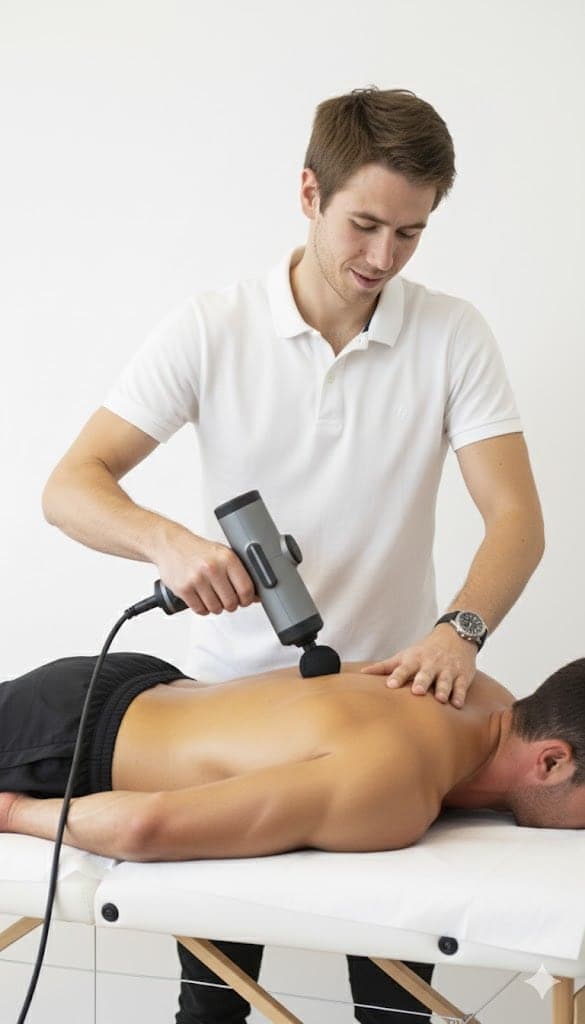
Written by
Chris
Massage therapist, nutrition and exercise physiologist
Norwegian-certified with a Bachelor’s in Physical Education and Nutrition and over ten years of clinical practice, working from a portable table in clients’ homes across the Paphos district.
This article is general information, not a medical diagnosis. If you have severe, worsening or unexplained pain, numbness, weakness, or pain after an accident, see a doctor first.