Aromatherapy Massage Kato Paphos: Advanced Solutions for Deep Muscle Tension Relief
In short
Discover how specialized aromatherapy massage in Kato Paphos targets chronic muscle tension at its root, combining therapeutic essential oils with advanced mechanical techniques for lasting pain relief.
After a decade of treating chronic muscular dysfunction across Europe, I’ve observed a persistent misunderstanding about what aromatherapy massage actually accomplishes when performed correctly. Most people in Kato Paphos seeking aromatherapy massage expect nothing more than temporary relaxation—a pleasant hour of lavender-scented pampering that feels good in the moment but changes nothing about their underlying condition. This misconception has prevented countless individuals from experiencing what properly executed therapeutic bodywork can achieve: lasting resolution of muscular tension patterns that have compromised their daily function for years.
My approach to aromatherapy massage in Kato Paphos differs fundamentally from conventional spa treatments. With my background in Physical Education and Nutrition from Norway and ten years of clinical experience treating body mechanics disorders, I’ve developed a methodology that integrates the neurological benefits of therapeutic essential oils with precision mechanical deep-tissue intervention. This isn’t relaxation therapy—it’s corrective treatment designed to eliminate the biomechanical causes of chronic muscle tension.
The distinction matters because your time and investment deserve results that extend beyond the treatment table. When clients come to me experiencing persistent shoulder tension, chronic lower back restriction, or athletic performance limitations, they’re not seeking temporary symptom management. They need lasting solutions, and that requires addressing fascial adhesions, trigger point complexes, and compensatory movement patterns at depths conventional hands-on massage simply cannot reach.
The Clinical Reality of Muscle Tension in Kato Paphos
Living in Kato Paphos presents specific biomechanical challenges I’ve documented across hundreds of treatment sessions. The combination of tourism-related service work, outdoor activities in the Mediterranean climate, and the general lifestyle patterns I observe here creates predictable patterns of muscular dysfunction. Desk workers develop anterior shoulder rotation and cervical compression. Restaurant and hospitality professionals present with chronic lumbar erector spinae hypertonicity. Athletes training in the coastal environment frequently show fascial restrictions limiting performance and recovery capacity.
These aren’t conditions that respond to surface-level intervention. During my first year practicing in Cyprus, I treated a hotel manager who had received “aromatherapy massages” monthly for three years without any lasting improvement in his chronic trapezius tension. The treatments felt pleasant, he reported, but within 48 hours the restriction returned completely. This illustrates the fundamental problem with conventional approaches: they address sensation rather than structure.
True therapeutic aromatherapy massage must penetrate to the layer where dysfunction actually exists—the deep fascial planes, the myotendinous junctions, the trigger point nodules that have literally changed the tissue structure of the muscle. Hands alone cannot generate sufficient pressure with adequate precision to release these restrictions without causing compensatory tension elsewhere in the kinetic chain.
Why Traditional Aromatherapy Massage Fails to Resolve Chronic Tension
The aromatherapy industry has conflated two entirely separate interventions: the neurological effects of essential oil compounds and the mechanical requirements for releasing deep muscular restriction. Most practitioners in Kato Paphos excel at the former while completely missing the latter. They understand how lavender oil activates parasympathetic nervous system responses or how eucalyptus compounds reduce inflammatory markers. But they lack the biomechanical training to identify and correct the structural causes of chronic tension.
I consistently see this limitation in new clients who come to me after years of regular massage. Their therapists have been treating their symptoms—the tight muscles, the tender points, the restricted range of motion—without understanding that these are compensatory responses to underlying mechanical dysfunction. The tension they feel in their upper trapezius isn’t the problem; it’s the solution their body has developed to stabilize a biomechanically compromised cervical spine.
Consider the typical aromatherapy massage session offered at spas throughout Kato Paphos. The therapist applies fragrant oils and uses flowing, rhythmic strokes designed to induce relaxation. The client leaves feeling calm and loose. Within two days, every restriction has returned because nothing changed at the structural level. The fascial adhesions remain. The trigger points persist. The movement pattern dysfunctions continue.
The Depth Problem: Anatomical Limitations of Manual Techniques
Human hands, regardless of the therapist’s strength or technique, cannot generate sustained, precise pressure beyond approximately 2-3 centimeters of tissue depth. This physiological limitation means that conventional manual therapy—even when performed by skilled practitioners—cannot effectively address restrictions in deeper muscle layers. The rhomboids beneath the trapezius, the rotator cuff beneath the deltoid, the psoas beneath the abdominal wall—these structures require intervention that exceeds what manual pressure can deliver.
During my university training in biomechanics, I learned to calculate the force requirements for different tissue densities and depths. A chronic trigger point in the infraspinatus, for example, requires sustained pressure of approximately 15-25 pounds per square inch applied for 60-90 seconds to achieve mechanical release. A therapist applying this force with their thumbs or elbows for that duration across multiple treatment sites during a 60-minute session will inevitably fatigue, reducing effectiveness with each subsequent application.
This isn’t a criticism of manual therapists—it’s simply anatomical reality. The human body cannot maintain consistent, precise, therapeutic pressure for extended periods without compensation. As the therapist fatigues, they unconsciously reduce pressure or shorten application time, delivering subtherapeutic intervention while the client remains unaware they’re receiving inadequate treatment.
Advanced Mechanical Aromatherapy Massage: My Methodology
My approach resolves these limitations through integration of therapeutic-grade essential oils with specialized mechanical intervention. I use a precision-engineered tool that delivers consistent, adjustable pressure to exact anatomical targets while the neurological effects of the aromatherapy compounds enhance tissue receptivity and systemic response.
The machine I’ve selected after extensive research and clinical testing operates with three fundamental advantages: precision, power, and consistency. These aren’t marketing terms—they’re measurable performance characteristics that directly translate to superior clinical outcomes.
Precision: Targeting Dysfunction at Millimeter Accuracy
The mechanical applicator allows me to focus therapeutic pressure on specific anatomical structures with precision impossible through manual contact. When I identify a trigger point in your levator scapulae at the superior angle of the scapula, I can position the treatment head with millimeter accuracy and maintain exact placement throughout the entire intervention. This specificity ensures I’m treating the actual source of restriction rather than dispersing pressure across a broader, less therapeutic area.
Combined with aromatherapy compounds selected for your specific condition—anti-inflammatory oils for acute injuries, muscle-relaxant blends for chronic hypertonicity, circulation-enhancing formulations for recovery optimization—the precision delivery allows active compounds to concentrate exactly where they provide maximum therapeutic benefit.
Power: Accessing Deep Tissue Structures
The mechanical system generates and sustains pressure levels that effectively release restrictions in deep fascial layers and muscle bellies. While controlling intensity with complete precision—from superficial lymphatic work to powerfully deep structural intervention—I can access tissue depths that simply don’t respond to conventional manual pressure.
I treated an athlete last month whose chronic hamstring tension had limited his training capacity for two years despite regular sports massage. The restriction wasn’t in the superficial muscle belly where previous therapists had focused their work. Using the mechanical tool, I was able to access the deep biceps femoris insertion at the ischial tuberosity and the fascial plane between the hamstring group and the adductor magnus—structures that had never been effectively treated because they existed beyond the reach of manual intervention.
After three sessions addressing these deep restrictions while using circulation-enhancing aromatherapy oils to accelerate tissue recovery, his hamstring flexibility increased 30% and his training-related discomfort completely resolved. Six months later, the improvement persists because we corrected the structural cause rather than repeatedly treating the symptomatic tension.
Consistency: Eliminating the Human Variable
Perhaps most importantly, mechanical intervention eliminates performance variability. I don’t have “off days” where my effectiveness decreases due to fatigue, distraction, or physical limitations. Every session delivers identical precision and power, ensuring you receive optimal treatment regardless of when you schedule or how demanding your previous sessions have been.
This consistency extends throughout the entire treatment. The pressure I apply to your fifteenth trigger point possesses the same therapeutic characteristics as the pressure applied to your first. The intervention you receive in minute fifty-five matches the quality delivered in minute five. This uniformity ensures comprehensive treatment of all identified restrictions rather than partial resolution of some while others remain undertreated.
The Aromatherapy Component: Beyond Pleasant Fragrance
The essential oils I select for each client serve specific therapeutic functions based on their individual presentation. This isn’t about creating a relaxing atmosphere—it’s about leveraging documented neurological and biochemical effects to enhance treatment outcomes.
When treating acute inflammation, I utilize oils containing high concentrations of anti-inflammatory terpenes and phenols. For chronic fascial restriction, I employ compounds that increase local circulation and tissue pliability. For clients with nervous system sensitivity or stress-related muscle guarding, I integrate oils with demonstrated anxiolytic and muscle-relaxant properties that reduce protective tension and improve treatment tolerance.
Evidence-Based Oil Selection
My oil selection follows clinical research rather than traditional aromatherapy folklore. While I respect the experiential knowledge that has guided essential oil use for centuries, I prioritize formulations with documented mechanisms of action and measured outcomes. The oils I use aren’t selected because they smell pleasant—they’re chosen because peer-reviewed research demonstrates their specific physiological effects.
| Condition | Primary Oil Compounds | Therapeutic Mechanism | Expected Outcome |
|---|---|---|---|
| Acute inflammation | German chamomile, helichrysum | Azulene and ester compounds inhibit inflammatory cascade | Reduced tissue inflammation, accelerated healing |
| Chronic muscle tension | Marjoram, clary sage, lavender | Linalool and linalyl acetate reduce muscle contractility | Decreased resting muscle tone, improved pliability |
| Fascial restriction | Black pepper, ginger, rosemary | Monoterpenes increase local circulation | Enhanced tissue perfusion, improved fascial mobility |
| Nervous system hypersensitivity | Frankincense, vetiver, sandalwood | Sesquiterpenes modulate limbic system activity | Reduced pain perception, improved treatment tolerance |
| Post-athletic recovery | Eucalyptus, peppermint, wintergreen | Methyl salicylate and menthol provide analgesic effect | Reduced post-exercise soreness, faster recovery |
Common Muscle Tension Patterns I Treat in Kato Paphos
Over years of practice here, I’ve identified recurring patterns of muscular dysfunction that respond exceptionally well to this integrated approach. Understanding these patterns helps clients recognize whether their condition represents a good candidate for treatment.
Upper Cross Syndrome: The Office Worker’s Burden
This presentation dominates among Kato Paphos residents working in tourism, administration, and remote positions. Anterior shoulder rotation, forward head posture, and compensatory upper trapezius hypertonicity create a cascade of restrictions that conventional aromatherapy massage addresses superficially at best.
I recently completed treatment for a software developer who had worked remotely from Paphos for four years. His postural adaptation to prolonged computer work had created severe suboccipital tension, bilateral levator scapulae trigger points, and fascial restriction throughout his pectoral girdle. Previous massage therapists had focused exclusively on his painful upper back, never addressing the anterior chest restrictions that were actually causing his posterior compensation.
Using my mechanical approach, I was able to release the deep pectoralis minor restrictions that were pulling his shoulders forward, treat the scalene complex that was compressing his neurovascular bundle, and address the suboccipital triangle where his forward head posture had created chronic hypertonicity. The aromatherapy oils—specifically a blend designed to reduce muscle guarding and improve fascial mobility—enhanced his tissue responsiveness throughout the intervention.
After five sessions, his shoulder position normalized, his cervical range of motion increased by approximately 40%, and his chronic headaches—which he hadn’t even mentioned initially—completely resolved. Two years later, he maintains these improvements because we corrected the structural causes rather than repeatedly treating symptoms.
Athletic Performance Limitation: The Hidden Restrictions
Athletes training in Kato Paphos frequently present with performance plateaus caused by unrecognized fascial restrictions and trigger point complexes. These individuals often already receive regular sports massage, but conventional manual therapy hasn’t identified or addressed the deep restrictions limiting their performance capacity.
A competitive cyclist I treated last season had experienced persistent power output limitations despite consistent training and optimal nutrition. His sports therapist had focused on recovery work and general muscle maintenance, never investigating the deep gluteal restrictions that were preventing full hip extension during his pedal stroke. The limitation wasn’t visible—his range of motion appeared normal in clinical testing—but under load during cycling, his compromised hip extension was costing him approximately 8% of his potential power output.
Using mechanical intervention to access his deep gluteal layer—specifically the piriformis and superior gemellus where chronic trigger points had developed—combined with circulation-enhancing aromatherapy oils to support tissue recovery, we resolved restrictions that had limited his performance for three years. His functional power output increased measurably, and six months later those improvements persist.
Chronic Lower Back Restriction: Beyond the Pain
Lower back pain represents perhaps the most common complaint I address, and it’s the condition where conventional aromatherapy massage most consistently fails to deliver lasting results. The reason is straightforward: most therapists treat the painful erector spinae muscles without addressing the anterior restrictions—particularly in the psoas and iliacus—that are causing the posterior compensation.
Your lower back hurts not because your back muscles are the problem, but because they’re desperately trying to stabilize a biomechanically compromised structure. Massaging the symptomatic area provides temporary relief while leaving the cause completely untreated. This explains why people receive back massage for years without ever achieving lasting improvement.
My approach addresses the complete kinetic chain. Using the mechanical tool to access the anterior hip structures that manual therapy cannot effectively reach, combined with oils selected to reduce muscle guarding and improve fascial mobility, I can treat the actual restrictions causing your symptoms rather than repeatedly addressing their effects.
The Treatment Process: What to Expect
My aromatherapy massage service in Kato Paphos operates fundamentally differently from spa-based offerings. This isn’t a relaxation appointment—it’s a therapeutic intervention designed to produce measurable structural changes in your musculoskeletal system.
Initial Assessment: Identifying Root Causes
Every client relationship begins with comprehensive assessment. I don’t simply ask where you hurt—I analyze your complete movement patterns, postural adaptations, and biomechanical compensations to identify the underlying causes of your symptoms. This evaluation typically requires 30-45 minutes and involves specific movement testing, palpatory assessment, and discussion of your functional limitations.
I’m particularly interested in activities that exacerbate your condition, historical injuries that may have created compensatory patterns, and previous treatments you’ve received. This information allows me to develop a precise understanding of your condition and design an intervention strategy targeting the actual restrictions rather than their symptomatic manifestations.
Treatment Sessions: Precision Intervention
Sessions typically last 90 minutes and focus intensively on identified restrictions. I travel to your location in Kato Paphos with professional equipment including a specialized treatment bench and all necessary tools. This mobile approach eliminates the inconvenience of traveling to a clinic while ensuring you receive the same professional-grade intervention you would in a clinical setting.
During treatment, I systematically address each identified restriction using the mechanical tool with pressure precisely calibrated to your tolerance and therapeutic requirements. The aromatherapy oils I’ve selected for your specific condition are applied to enhance tissue receptivity and provide additional therapeutic benefits throughout the session.
The experience differs significantly from conventional massage. Rather than flowing, rhythmic strokes designed for relaxation, you’ll experience sustained, focused pressure on specific anatomical structures. This isn’t uncomfortable when properly executed, but it requires your active participation—communicating pressure tolerance, reporting sensation changes, and occasionally adjusting position to optimize treatment access.
Progressive Treatment Plans: Achieving Lasting Results
Chronic muscular dysfunction doesn’t develop overnight, and it doesn’t resolve in a single session. My treatment approach involves progressive intervention over multiple sessions, with each building on the structural changes achieved previously. Most conditions I treat require 4-8 sessions to achieve complete resolution, though you’ll typically experience significant improvement after the first 2-3 treatments.
This timeline isn’t arbitrary—it reflects the biological reality of tissue adaptation and remodeling. When I release a chronic fascial restriction, your body requires time to adapt to its new structural reality. Treating too aggressively or too frequently can overwhelm your adaptive capacity, while spacing sessions appropriately allows progressive improvement without setbacks.
I develop customized treatment plans based on your specific condition, response to initial intervention, and functional goals. This isn’t a standardized protocol applied uniformly to every client—it’s a dynamic strategy adjusted continuously based on your progress and requirements.
Investment in Long-Term Function vs. Temporary Relief
I position my service as an investment in lasting improvement rather than an ongoing expense for temporary symptom management. This distinction matters because it fundamentally changes the economic calculation of treatment value.
Consider the typical pattern of conventional massage consumption: monthly or bi-weekly sessions that provide temporary relief but never resolve the underlying condition. Over years, this represents substantial cumulative expenditure without ever achieving lasting improvement. You’re essentially renting temporary relief rather than purchasing lasting resolution.
My approach inverts this model. The intensive treatment period requires greater initial investment, but once we’ve resolved your structural restrictions, maintenance requirements decrease dramatically. Many clients complete treatment and require only occasional sessions—quarterly or less frequently—to maintain optimal function. Over a multi-year timeframe, the total investment proves substantially lower while delivering incomparably superior outcomes.
Measuring Return on Investment
The value of treatment extends far beyond pain reduction. My clients consistently report improvements in:
- Sleep quality and recovery capacity
- Athletic and recreational performance
- Work productivity and focus capacity
- Daily activity tolerance and endurance
- Overall quality of life and functional capability
How do you quantify the value of sleeping without pain for the first time in years? What’s the economic worth of returning to athletic activities you had abandoned? How do you calculate the benefit of working without chronic discomfort compromising your focus and productivity?
These improvements represent the actual return on investment—not just reduced pain scores, but enhanced functional capacity that improves every aspect of your daily experience. This is why I describe treatment as investment rather than expense. You’re not purchasing temporary symptom relief; you’re acquiring lasting functional improvement.
Why Location Matters: The Kato Paphos Advantage
Providing this service in Kato Paphos offers specific advantages that enhance treatment outcomes. The climate, lifestyle patterns, and environmental factors here create optimal conditions for therapeutic bodywork and recovery.
The Mediterranean climate supports tissue healing and adaptation. The moderate temperatures and humidity levels optimize circulation and tissue pliability, enhancing response to intervention. The reduced atmospheric pressure variations compared to more continental climates minimize inflammatory fluctuations that can complicate treatment response.
The lifestyle pace in Kato Paphos—particularly for residents rather than tourists—typically allows for adequate recovery between sessions. Unlike urban environments where clients rush from treatment back to high-stress activities, the Paphos lifestyle generally permits the rest and movement patterns that optimize treatment outcomes.
Additionally, my mobile service eliminates post-treatment travel stress. After intensive deep-tissue intervention, the last thing your body needs is navigating traffic or walking significant distances. By traveling to your location, I ensure you can rest immediately following treatment, maximizing recovery and tissue adaptation.
Common Questions About Advanced Aromatherapy Massage
How does this differ from regular aromatherapy massage available at spas?
The fundamental difference lies in treatment objectives and methodology. Spa-based aromatherapy massage prioritizes relaxation and temporary stress reduction. My approach targets lasting resolution of structural restrictions causing chronic dysfunction. While both use essential oils and involve manual therapy, the depth of intervention, precision of application, and treatment outcomes differ completely. Think of the distinction between a pleasant massage and corrective physical therapy—they occupy entirely different categories of intervention despite superficial similarities.
Is the treatment painful?
Properly executed deep-tissue intervention shouldn’t be painful, though it often involves significant sensation as we release chronic restrictions. I describe the experience as “intense but tolerable”—you should feel substantial pressure and be aware that therapeutic work is occurring, but you shouldn’t experience pain that causes you to tense or guard. I continuously adjust pressure based on your feedback and tolerance, ensuring treatment remains within therapeutic parameters throughout the session.
How quickly will I see results?
Most clients experience noticeable improvement after the first session, though this often manifests as reduced resting muscle tension and improved range of motion rather than complete symptom resolution. Significant functional improvement typically requires 2-3 sessions as we progressively address layered restrictions. Complete resolution of chronic conditions usually requires 4-8 sessions depending on severity and duration. The key distinction from conventional massage is that improvements persist and accumulate rather than disappearing within days of treatment.
Can this approach help with conditions other than muscle tension?
While I specialize in muscular and fascial restrictions, these structures influence numerous conditions beyond simple “muscle tension.” Chronic headaches, limited athletic performance, postural dysfunction, referred pain patterns, joint mobility restrictions, and various movement limitations all frequently result from muscular and fascial restrictions that respond to this treatment approach. During initial assessment, I’ll determine whether your specific condition represents a good candidate for intervention or requires different therapeutic approaches.
How often should I schedule sessions?
Initial treatment frequency typically involves sessions every 7-10 days, allowing adequate tissue adaptation between interventions. As we achieve progressive improvement, we extend intervals to every 2-3 weeks, then monthly, then as needed for maintenance. This progressive spacing reflects your body’s improving structural integrity and decreasing requirement for intervention. The goal is complete resolution requiring minimal ongoing treatment, not lasting dependence on regular sessions.
Do you treat acute injuries or only chronic conditions?
I treat both, though the approach differs significantly. Acute injuries require modified intervention respecting inflammatory timelines and tissue healing stages. I can accelerate recovery and prevent compensatory patterns from developing, but I cannot aggressively treat acutely inflamed tissue without risking delayed healing. Chronic conditions—those persisting beyond normal healing timeframes—respond extremely well to this approach because they invariably involve structural restrictions that conventional treatment hasn’t adequately addressed.
What should I do between sessions to optimize results?
Post-treatment recommendations vary based on individual conditions, but generally include adequate hydration, modified activity for 24-48 hours post-session, and specific mobility exercises I’ll prescribe. The essential principle is supporting your body’s adaptation to the structural changes we’ve created rather than immediately returning to the movement patterns that created your dysfunction. I provide detailed guidance after each session based on what we’ve addressed and how your tissue responded.
Can this approach prevent future problems?
Absolutely. Once we’ve resolved existing restrictions and corrected compensatory movement patterns, periodic maintenance treatment can prevent new restrictions from developing into chronic conditions. Many clients transition to quarterly or semi-annual sessions focused on prevention rather than correction. This proactive approach maintains optimal function and prevents the accumulation of minor restrictions that eventually develop into significant dysfunction. Prevention is invariably more efficient than correction.
The Science Behind Mechanical Deep-Tissue Aromatherapy
Understanding the physiological mechanisms underlying this treatment approach helps clarify why it produces superior outcomes compared to conventional methods.
Fascial Architecture and Restriction Patterns
Fascia—the connective tissue matrix surrounding and interpenetrating all structures in your body—responds to mechanical stress by developing densification and adhesion. These restrictions alter force transmission throughout the kinetic chain, creating compensatory patterns that eventually manifest as pain and dysfunction. Manual therapy often cannot generate sufficient mechanical stimulus to reverse established fascial restriction, particularly in deep layers.
The mechanical intervention I employ delivers precise, sustained pressure that exceeds the threshold required to produce fascial remodeling. Combined with aromatherapy compounds that improve tissue pliability and reduce protective guarding, this approach systematically reverses chronic fascial restriction that has persisted despite previous treatment attempts.
Trigger Point Physiology
Trigger points—localized areas of muscular hypercontraction—develop when sustained low-level muscle activation depletes local energy stores, preventing complete relaxation. These nodules refer pain in characteristic patterns and contribute significantly to chronic pain syndromes. Effective trigger point treatment requires sustained pressure sufficient to overcome the contractile force and restore local circulation.
Manual therapy faces significant limitations treating trigger points because sustaining adequate pressure for sufficient duration causes therapist fatigue. The mechanical approach maintains consistent therapeutic pressure for whatever duration proves necessary—60 seconds, 90 seconds, two minutes—without force degradation. This consistency ensures complete trigger point resolution rather than partial improvement.
Neurological Effects of Essential Oil Compounds
Essential oils contain volatile organic compounds that interact with olfactory receptors, skin receptors, and systemic biochemistry when absorbed. These interactions produce measurable neurological and physiological effects beyond placebo. Specific compounds modulate pain perception, reduce inflammatory markers, alter autonomic nervous system balance, and influence muscle contractility through documented mechanisms.
I select oils based on their compound profiles and documented effects rather than traditional associations or pleasant fragrances. This evidence-based approach ensures the aromatherapy component provides genuine therapeutic benefit rather than simply creating a pleasant treatment atmosphere.
Who Benefits Most from This Approach
While this treatment methodology can address various musculoskeletal conditions, certain presentations respond particularly well to the integrated aromatherapy and mechanical deep-tissue approach.
Ideal Candidate Profiles
You represent an excellent candidate if you:
- Have received regular massage without achieving lasting improvement
- Experience chronic muscle tension that returns within days of treatment
- Have been told your muscles are “always tight” despite stretching and self-care
- Notice performance limitations you suspect relate to muscular restriction
- Experience postural discomfort that worsens throughout the day
- Have specific movement limitations without clear structural pathology
- Want lasting resolution rather than ongoing symptom management
- Understand that effective treatment requires investment and commitment
The common thread among successful outcomes is realistic expectations combined with commitment to complete treatment. Clients who understand that correcting years of dysfunction requires multiple sessions and who prioritize lasting resolution over quick fixes consistently achieve excellent results.
Less Suitable Conditions
Certain conditions require different therapeutic approaches or medical intervention rather than advanced bodywork. These include acute inflammatory conditions in the immediate post-injury phase, systemic inflammatory diseases requiring medical management, structural pathology requiring surgical correction, and conditions where tissue integrity is compromised.
During initial assessment, I’ll determine whether your specific presentation represents a good candidate for this treatment approach or whether I should refer you to more appropriate practitioners. This honest evaluation ensures you invest your time and resources in intervention likely to produce meaningful improvement rather than pursuing bodywork that cannot address your particular condition.
Taking the Next Step: Beginning Your Treatment Journey
If you recognize your condition in the patterns I’ve described and you’re ready to invest in lasting resolution rather than continuing to manage symptoms, the process begins with comprehensive initial assessment. This evaluation allows me to understand your specific dysfunction, explain precisely how treatment will address your condition, and develop a customized intervention plan targeting your individual restrictions.
I maintain a limited client roster in Kato Paphos, ensuring I can provide the focused attention and customized planning each case requires. This approach means availability sometimes involves scheduling 1-2 weeks out, but it ensures you receive optimal care rather than rushed, assembly-line treatment.
The investment in professional aromatherapy massage that actually resolves chronic muscular dysfunction rather than temporarily masking symptoms represents one of the most valuable decisions you can make for your long-term physical function and quality of life. After ten years of practice and hundreds of successful outcomes, I’ve witnessed repeatedly how eliminating chronic restriction transforms not just pain levels, but every aspect of daily experience.
Your body is capable of far better function than you’re currently experiencing. The restrictions limiting your movement, causing your pain, and compromising your performance can be durably resolved through appropriate intervention. The question isn’t whether improvement is possible—it’s whether you’re ready to commit to the process required to achieve it.
Contact me to schedule your initial assessment and begin the journey from chronic dysfunction to optimal function. Your future self will thank you for making this investment today.
Evidence and limits
Massage may help with some symptoms, but benefits and evidence vary by condition. It does not replace medical assessment or treatment. A page update is not evidence of an independent clinical review.
Further reading: Massage therapy: evidence, safety and limitations by US National Center for Complementary and Integrative Health. This is general background reading, not verification of every claim in this article.
How we describe evidence and updates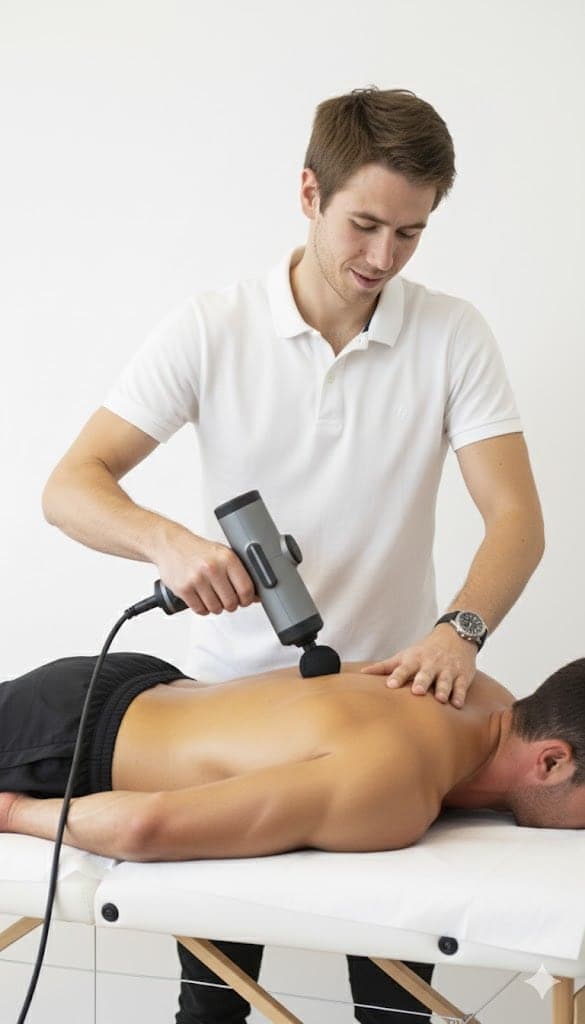
Written by
Chris
Massage therapist, nutrition and exercise physiologist
Norwegian-certified with a Bachelor’s in Physical Education and Nutrition and over ten years of clinical practice, working from a portable table in clients’ homes across the Paphos district.
This article is general information, not a medical diagnosis. If you have severe, worsening or unexplained pain, numbness, weakness, or pain after an accident, see a doctor first.