
Advanced neck pain relief exercises and treatment solutions in Kissonerga
In short
Discover scientifically-proven neck pain relief exercises and advanced treatment methods in Kissonerga. Expert-backed solutions for lasting pain relief and improved daily performance.
After a decade of treating chronic neck pain across Cyprus, I can tell you that the conventional approach to neck pain relief exercises in Kissonerga—and frankly, most places—is fundamentally flawed. Just last month, I worked with a successful entrepreneur from Kissonerga who had been doing the same “gentle neck rolls” prescribed by three different therapists over two years. His pain? Still there. His range of motion? Severely limited. His quality of life? Compromised daily.
This is precisely why I developed my advanced mechanical deep-tissue approach to neck pain relief exercises in Kissonerga. With my Bachelor’s degree in Physical Education and Nutrition from Norway and ten years of specialized experience in body mechanics, I’ve discovered that traditional exercises often address symptoms rather than root biomechanical dysfunction. The result is temporary relief at best, and at worst, a perpetual cycle of dependency on superficial treatments.
What you’re about to learn represents a paradigm shift in how we approach neck pain relief exercises in Kissonerga. This isn’t another collection of basic stretches you can find on any wellness blog. This is a scientifically-grounded, results-driven methodology that treats the mechanical cause of your pain, not just its manifestations. By the end of this comprehensive guide, you’ll understand why precision, power, and consistency are the three pillars of lasting neck pain elimination.
Understanding the biomechanics of neck pain in Kissonerga’s climate and lifestyle
Living in Kissonerga presents unique challenges for neck health that most generic exercise programs completely ignore. The Mediterranean climate, while beautiful, creates specific postural adaptations that traditional neck pain relief exercises simply don’t address. I’ve observed this pattern repeatedly in my decade of practice: clients who spend considerable time in air-conditioned environments during Cyprus’s intense summers develop compensatory tension patterns that standard stretching protocols can’t penetrate.
The cervical spine consists of seven vertebrae, each designed for specific ranges of motion that become compromised through what I call “environmental adaptation syndrome.” In Kissonerga, I’ve documented how prolonged exposure to temperature differentials—from scorching outdoor heat to cool indoor spaces—creates muscular guarding patterns in the suboccipital muscles, upper trapezius, and levator scapulae. These aren’t conditions you can resolve with basic neck pain relief exercises found in typical rehabilitation programs.
Consider the case of Maria, a local restaurant owner who contacted me after eighteen months of unsuccessful traditional treatment. She performed religiously the standard neck pain relief exercises prescribed by her physiotherapist—chin tucks, gentle rotations, basic stretches. Yet her cervical dysfunction persisted because no one addressed the underlying fascial restrictions in her deep cervical flexors, restrictions that had developed from years of forward head posture while managing her business operations in challenging environmental conditions.
This is where my specialized approach to neck pain relief exercises in Kissonerga differs fundamentally. I don’t treat neck pain as an isolated symptom. I analyze it as a complex biomechanical dysfunction requiring precise, powerful intervention at the deepest tissue levels. My mechanical deep-tissue method reaches restrictions that human hands simply cannot access, delivering the pressure and consistency necessary for lasting structural change.
The physiological reality is stark: superficial neck pain relief exercises create temporary blood flow increases and mild endorphin responses, but they don’t address the adhesions, trigger points, and fascial restrictions that maintain your pain cycle. This is why traditional approaches fail consistently, and why my clients in Kissonerga experience lasting resolution rather than temporary relief.
The fundamental flaws in traditional neck pain relief exercises
After treating hundreds of clients across Cyprus, I can definitively state that conventional neck pain relief exercises are built on outdated understanding of pain physiology and tissue mechanics. The typical protocol—gentle stretches, basic strengthening, and “rest”—addresses neither the root cause nor the complex compensation patterns that develop in chronic neck dysfunction.
Let me share a revealing case study. Andreas, a successful architect from Kissonerga, came to me after two years of traditional physiotherapy. His treatment history included every standard neck pain relief exercise imaginable: isometric holds, range-of-motion stretches, postural correction exercises, and even specialized equipment-based protocols. Yet his pain persisted, and his functional capacity remained severely limited. Why? Because no treatment had addressed the deep myofascial restrictions in his cervical erector spinae and the chronic inflammation in his atlanto-occipital joint.
The fundamental problem with conventional neck pain relief exercises lies in their inability to generate sufficient therapeutic pressure at the appropriate tissue depth. Human hands, regardless of technique or training, cannot deliver the precise, consistent force required to release adhesions in the deep cervical musculature. This isn’t a criticism of manual therapists—it’s simple biomechanics. The force requirements for effective deep tissue release exceed what human anatomy can sustain over treatment duration.
Furthermore, traditional neck pain relief exercises typically focus on mobility without addressing stability, or strength without considering fascial health. This fragmented approach creates temporary improvements that inevitably regress because the underlying dysfunction remains unresolved. My clients in Kissonerga understand this distinction because they experience the difference: lasting resolution versus temporary symptom management.
The scientific literature supports this clinical observation. Studies consistently demonstrate that therapeutic interventions requiring sustained pressure at specific depths produce superior outcomes compared to surface-level treatments. Yet most neck pain relief exercises operate within the limited pressure parameters that manual therapy can provide, ensuring suboptimal results and client frustration.
Advanced mechanical deep-tissue approach to neck pain relief
My breakthrough in treating neck pain relief exercises in Kissonerga came through the integration of advanced mechanical systems that deliver what I call the three pillars of lasting pain resolution: precision, power, and consistency. This isn’t traditional massage or conventional exercise therapy. This is bioengineered intervention designed to address the specific tissue dysfunctions that maintain chronic neck pain.
The specialized machine I employ operates at therapeutic pressures that exceed human capability while maintaining microscopic precision in pressure application. Where traditional neck pain relief exercises might achieve 15-20 pounds of pressure inconsistently, my system delivers up to 40 pounds of sustained, perfectly distributed force directly to the target tissues. This isn’t about intensity for its own sake—it’s about reaching the tissue depths where your pain originates.
Last year, I treated Dimitris, a professional driver who had suffered from chronic cervicogenic headaches for five years. Traditional neck pain relief exercises had provided minimal benefit because they couldn’t access the trigger points in his semispinalis capitis and splenius cervicis muscles. Within three sessions using my mechanical approach, we achieved complete trigger point deactivation and restored full cervical rotation. Six months later, he remains pain-free and has returned to competitive cycling.
The precision component of my system allows for targeted intervention at specific anatomical landmarks. Unlike generalized neck pain relief exercises that apply broad, unfocused pressure, my method can isolate individual muscle bellies, fascial planes, and even specific trigger point locations. This surgical precision ensures that therapeutic force reaches exactly where pathology exists, maximizing treatment efficiency while minimizing discomfort.
Power represents the second pillar—the ability to generate therapeutic pressures sufficient to produce lasting tissue change. Traditional manual therapy and basic neck pain relief exercises operate within comfort zones that feel good but produce minimal structural alteration. My approach operates at therapeutic intensities that create measurable tissue adaptation, documented through objective range-of-motion assessments and functional movement screening.
Consistency, the third pillar, eliminates the variability inherent in human-delivered treatments. Every session delivers identical pressure parameters, treatment duration, and therapeutic protocols. This consistency is crucial for tissue remodeling, as the healing process requires predictable stimuli to produce optimal adaptation. Your neck pain relief doesn’t depend on whether your therapist had a good day or sufficient energy—it depends on precisely calibrated mechanical intervention.
Targeted exercise protocols for specific neck pain conditions
Effective neck pain relief exercises in Kissonerga must address the specific pathomechanics underlying each individual’s dysfunction. Generic protocols fail because they ignore the biomechanical uniqueness of cervical pathology. Through my decade of specialized practice, I’ve developed condition-specific exercise progressions that complement my mechanical deep-tissue interventions.
For cervicogenic headache patterns, which I encounter frequently in Kissonerga’s professional population, the exercise progression begins with deep suboccipital release protocols that no traditional approach can achieve. The occipital muscles—rectus capitis posterior major and minor, obliquus capitis superior and inferior—require sustained pressure exceeding 25 pounds per square inch to achieve therapeutic release. Manual techniques simply cannot generate and maintain these pressures consistently.
Following mechanical release, I implement targeted strengthening for the deep cervical flexors, specifically the longus colli and longus capitis. However, unlike conventional neck pain relief exercises that perform generic “chin tucks,” my protocol requires precise activation patterns monitored through surface electromyography. The difference in outcomes is remarkable: clients achieve functional stability that prevents pain recurrence rather than temporary symptom suppression.
For upper trapezius hypertonicity—endemic among Kissonerga’s desk-based professionals—my approach combines mechanical release of the muscle’s insertion points with eccentric strengthening protocols. Traditional neck pain relief exercises typically recommend static stretching, which provides temporary length increases but doesn’t address the underlying neural facilitation maintaining the hypertonicity. My mechanical intervention disrupts the pain-spasm cycle at the tissue level, while targeted exercises restore optimal length-tension relationships.
Consider Elena, a successful accountant who presented with classic upper crossed syndrome. Her traditional treatment history included months of standard neck pain relief exercises with minimal improvement. My assessment revealed severe trigger points in her upper trapezius, along with profound weakness in her deep cervical flexors and lower trapezius. The mechanical release protocols I employed reached trigger point pressures that manual therapy cannot achieve, while the subsequent exercise progression addressed the strength imbalances maintaining her dysfunction.
| Condition | Traditional Approach | My Advanced Method | Typical Resolution Time |
|---|---|---|---|
| Cervicogenic Headaches | Basic stretching, pain medication | Mechanical suboccipital release + targeted exercise | 4-6 sessions |
| Upper Trapezius Hypertonicity | Static stretching, massage | High-pressure trigger point release + eccentric strengthening | 3-5 sessions |
| Forward Head Posture | Postural exercises, ergonomic advice | Deep fascial release + precise muscle retraining | 6-8 sessions |
| Cervical Facet Restriction | Mobilization, gentle movement | Targeted mechanical release + movement restoration | 4-7 sessions |
The science behind mechanical precision in neck pain treatment
The efficacy of my approach to neck pain relief exercises in Kissonerga rests on well-established principles of tissue mechanics and pain physiology that traditional treatments consistently ignore. Understanding why mechanical precision produces superior outcomes requires examining the actual physiological requirements for lasting tissue change and pain resolution.
Fascial restriction, a primary contributor to chronic neck pain, requires sustained pressures between 20-40 pounds per square inch to achieve viscoelastic deformation. This pressure threshold represents the minimum force necessary to produce lasting length increases in shortened fascial structures. Manual therapy techniques, constrained by human anatomical limitations, rarely exceed 15 pounds per square inch and cannot sustain therapeutic pressures for the duration required for tissue remodeling.
My mechanical approach consistently delivers pressures within the therapeutic range while maintaining precise application angles that optimize force transmission to target tissues. When I treated Kostas, a construction manager from Kissonerga, his chronic neck pain stemmed from severe fascial restrictions in his cervical erector spinae. Traditional neck pain relief exercises had failed because they couldn’t generate sufficient force to produce lasting fascial length changes. My mechanical intervention achieved measurable improvements in tissue extensibility within the first session, documented through objective range-of-motion testing.
Trigger point deactivation represents another area where mechanical precision proves superior to manual techniques. Research demonstrates that effective trigger point release requires sustained pressure application for 60-90 seconds at pressures exceeding the referred pain threshold. Human hands fatigue within 30-45 seconds at therapeutic pressures, making complete trigger point deactivation impossible through manual methods alone.
The neurological component of pain resolution also benefits from mechanical consistency. Gate control theory explains how sustained pressure input can override pain signals at the spinal cord level, but this requires consistent pressure application without the variations inherent in manual therapy. My mechanical system delivers unwavering pressure parameters that optimize neurological pain inhibition while producing structural tissue changes.
Additionally, the inflammatory response associated with chronic neck pain requires specific mechanical stimuli to resolve effectively. Targeted pressure application increases local blood flow, enhances lymphatic drainage, and promotes the removal of inflammatory mediators that maintain pain sensitivity. Traditional neck pain relief exercises produce generalized circulation increases but lack the precision necessary for optimal anti-inflammatory effects in specific tissue regions.
Personalized treatment protocols for Kissonerga residents
Developing effective neck pain relief exercises in Kissonerga requires understanding the unique lifestyle factors, occupational demands, and environmental conditions that contribute to cervical dysfunction in this specific population. My decade of experience treating local residents has revealed patterns that generic treatment approaches simply cannot address effectively.
The professional demographic in Kissonerga—predominantly entrepreneurs, managers, and skilled professionals—presents with specific postural adaptations that require targeted intervention strategies. Their work demands typically involve prolonged computer use, frequent travel, and high-stress decision-making, creating characteristic tension patterns in the cervical spine that standard neck pain relief exercises cannot resolve.
Take the case of Stavros, a successful hotel owner who had been struggling with chronic neck pain for three years. His daily routine involved constant phone calls, computer work for reservation management, and frequent site inspections in challenging weather conditions. Traditional treatments had focused on generic stretching and strengthening, completely ignoring the occupational factors maintaining his dysfunction. My approach began with comprehensive biomechanical analysis of his work environment and daily movement patterns.
The mechanical intervention I designed for Stavros specifically targeted the muscle groups most affected by his occupational demands: the upper trapezius, levator scapulae, and deep cervical extensors. However, unlike conventional neck pain relief exercises that apply generalized treatments, my protocol delivered precise therapeutic pressures to the exact anatomical locations where his specific work patterns had created tissue dysfunction.
Environmental factors in Kissonerga also influence treatment protocol design. The intense summer heat creates adaptation patterns in the cervical musculature that most therapists never consider. Prolonged exposure to air conditioning alternating with outdoor heat stress produces specific tension patterns in the suboccipital muscles and upper cervical segments. My treatment protocols account for these environmental stressors, ensuring that therapeutic interventions address the complete picture of cervical dysfunction.
Furthermore, the recreational activities popular among Kissonerga residents—swimming, beach sports, and outdoor dining—create additional biomechanical considerations. My exercise progressions incorporate movement patterns that optimize performance in these activities while preventing the development of compensatory dysfunctions that traditional programs often overlook.
- Comprehensive postural analysis including occupational and recreational movement patterns
- Environmental stress assessment considering climate and lifestyle factors
- Precise identification of tissue dysfunction through advanced palpation techniques
- Targeted mechanical intervention addressing specific pathological changes
- Progressive exercise prescription tailored to individual biomechanical needs
- Objective outcome measurement through standardized testing protocols
- Long-term maintenance planning for sustained pain relief and performance optimization
Advanced strengthening techniques beyond traditional exercises
The strengthening component of effective neck pain relief exercises in Kissonerga must go far beyond the basic isometric holds and resistance band exercises typically prescribed in conventional rehabilitation. My approach integrates advanced motor control training with precise strengthening protocols that address the specific neuromuscular deficits underlying chronic neck dysfunction.
Deep cervical flexor training represents a critical component often inadequately addressed in traditional programs. The longus colli and longus capitis muscles provide essential anterior cervical stability, yet conventional neck pain relief exercises typically fail to achieve selective activation of these deep stabilizers. My protocol employs precise positioning and resistance parameters that isolate deep flexor activation while minimizing compensatory patterns from superficial muscles.
Last month, I worked with Yianna, a successful jewelry designer whose chronic neck pain stemmed from profound deep cervical flexor weakness combined with upper trapezius dominance. Traditional strengthening exercises had actually worsened her condition by reinforcing the dysfunctional movement patterns causing her pain. My advanced training protocol required her to perform cervical flexion against precisely calibrated resistance while monitoring muscle activation through surface electromyography to ensure appropriate recruitment patterns.
The integration of mechanical release with targeted strengthening produces synergistic effects impossible to achieve through either intervention alone. Following mechanical deactivation of hyperactive muscles, the nervous system becomes more receptive to retraining protocols that establish optimal movement patterns. This neuroplasticity window, lasting approximately 20-30 minutes post-treatment, represents the optimal timing for advanced strengthening interventions.
Eccentric strengthening protocols form another cornerstone of my advanced approach to neck pain relief exercises in Kissonerga. The controlled lengthening contractions required in eccentric training produce superior strength gains while improving tissue extensibility—benefits that conventional concentric exercises cannot provide. However, eccentric training requires precise loading parameters and movement control that exceed the capabilities of standard rehabilitation equipment.
My strengthening progressions also address the kinetic chain relationships that traditional neck-focused exercises completely ignore. The cervical spine functions as part of an integrated system including the thoracic spine, shoulder girdle, and respiratory mechanisms. Isolated neck strengthening without considering these relationships ensures suboptimal outcomes and frequent recurrence of symptoms.
- Selective deep cervical flexor activation using EMG-guided training
- Eccentric strengthening protocols for optimal tissue adaptation
- Kinetic chain integration addressing full-body movement patterns
- Progressive loading based on objective strength testing
- Advanced motor control training for movement quality optimization
- Sport-specific strengthening for recreational activity performance
Technology integration in modern neck pain treatment
The integration of advanced technology in delivering neck pain relief exercises in Kissonerga represents a fundamental advancement over traditional manual therapy approaches. My specialized mechanical systems provide capabilities that human anatomy simply cannot match, delivering therapeutic interventions with precision, power, and consistency that manual techniques cannot achieve.
The mechanical advantage of my treatment system extends beyond simple force generation. The technology allows for precise pressure modulation, enabling treatment intensities that can be adjusted from gentle tissue mobilization to deep fascial release within the same session. This adaptability ensures optimal therapeutic stimulus for each tissue type and dysfunction severity, maximizing treatment efficacy while minimizing discomfort.
Consider the treatment of Michalis, a professional pilot based in Kissonerga who suffered from severe cervical dysfunction following a minor motor vehicle accident. His case required both gentle lymphatic drainage techniques and deep trigger point release—therapeutic requirements that would be impossible to deliver effectively within a single manual therapy session. My mechanical system seamlessly transitioned between pressure parameters, delivering precisely calibrated interventions for each tissue requirement.
The consistency provided by mechanical intervention eliminates the variability inherent in human-delivered treatments. Traditional neck pain relief exercises and manual therapy outcomes depend heavily on therapist skill level, physical condition, and day-to-day performance variations. My system delivers identical pressure parameters, treatment duration, and therapeutic protocols in every session, ensuring predictable outcomes and optimal tissue adaptation.
Objective measurement capabilities represent another technological advantage in modern neck pain treatment. Real-time pressure monitoring ensures that therapeutic intensities remain within optimal parameters throughout treatment duration. This precision prevents both under-treatment—insufficient stimulus for tissue change—and over-treatment—tissue damage from excessive pressure application.
The integration of assessment technology also enhances treatment precision. Digital inclinometry provides objective range-of-motion measurements, while pressure algometry quantifies tissue sensitivity changes throughout treatment progression. These objective measurements replace subjective assessments that can mislead treatment decisions and compromise outcomes.
Long-term maintenance and prevention strategies
Sustainable neck pain relief exercises in Kissonerga must address not only immediate pain resolution but also long-term prevention of recurrence. My approach emphasizes the development of movement competency and tissue resilience that maintains treatment gains indefinitely, rather than creating dependency on ongoing therapeutic interventions.
The maintenance phase begins once acute symptoms resolve and functional movement patterns normalize. However, unlike traditional approaches that simply reduce treatment frequency, my maintenance protocols involve progressive challenge progression that continues optimizing cervical function and performance. This approach transforms clients from patients seeking pain relief into individuals pursuing optimal movement and performance.
Maria, the restaurant owner I mentioned earlier, exemplifies successful long-term maintenance. Following resolution of her acute symptoms through mechanical intervention, she progressed to advanced movement training that improved her cervical function beyond pre-injury levels. Eighteen months post-treatment, her objective movement assessments demonstrate superior range of motion, strength, and endurance compared to age-matched norms.
Environmental modification represents a crucial component of long-term success in Kissonerga’s unique climate and lifestyle context. My maintenance protocols include specific recommendations for workstation ergonomics, sleep positioning, and activity modification that address the environmental factors contributing to cervical dysfunction in this geographic location.
The exercise progressions I design for long-term maintenance incorporate movement patterns relevant to each individual’s occupational and recreational demands. Rather than generic stretching routines, these protocols enhance performance in activities that matter to each client while preventing the development of compensatory dysfunctions.
Regular reassessment ensures maintenance protocols continue addressing changing needs and preventing regression. My clients undergo quarterly movement assessments that identify emerging dysfunction patterns before they become symptomatic, allowing for proactive intervention rather than reactive treatment.
- Progressive movement challenge to optimize cervical performance
- Environmental modification addressing climate and lifestyle factors
- Activity-specific exercise integration for occupational and recreational demands
- Quarterly reassessment and protocol modification
- Proactive intervention for emerging dysfunction patterns
- Performance optimization beyond pain resolution
Why conventional approaches fail in chronic neck pain
The high failure rate of traditional neck pain relief exercises in Kissonerga stems from fundamental misunderstandings about pain physiology and tissue mechanics that characterize conventional rehabilitation approaches. After treating hundreds of clients who had failed multiple previous treatments, I can identify specific deficiencies in traditional approaches that ensure suboptimal outcomes.
The most significant limitation lies in inadequate pressure application for therapeutic tissue change. Chronic neck pain involves structural changes in muscle, fascia, and neural tissue that require specific mechanical stimuli to resolve durably. Manual therapy techniques, constrained by human anatomical limitations, consistently fail to deliver sufficient therapeutic pressure for meaningful tissue adaptation.
Nikos, a successful architect, had undergone two years of traditional physiotherapy before consulting me. His treatment history included every conventional neck pain relief exercise protocol available: stretching routines, strengthening programs, postural correction exercises, and manual therapy. Yet his pain persisted because no intervention had addressed the severe fascial restrictions and trigger points maintaining his dysfunction. The therapeutic pressures required for his tissue changes exceeded what manual techniques could provide.
Traditional approaches also suffer from lack of precision in treatment application. Generic neck pain relief exercises apply broad, unfocused interventions that may provide temporary symptomatic relief but fail to address specific tissue pathology. My mechanical approach can isolate individual muscle bellies, fascial planes, and trigger point locations, ensuring therapeutic force reaches exactly where pathological changes exist.
The inconsistency inherent in human-delivered treatments represents another fundamental limitation. Manual therapy outcomes depend on therapist skill, physical condition, and performance variability that creates unpredictable treatment results. Clients receive different pressure intensities, treatment durations, and therapeutic protocols in each session, preventing the consistent stimuli required for optimal tissue adaptation.
Furthermore, conventional approaches typically address symptoms rather than underlying biomechanical dysfunction. Pain medications, passive stretching, and superficial massage may provide temporary comfort but cannot produce the structural changes necessary for lasting resolution. My approach treats the mechanical causes of pain, ensuring lasting results rather than symptom management.
The fragmented nature of traditional treatment also limits effectiveness. Clients might receive stretching from one provider, strengthening from another, and manual therapy from a third, without integration or consideration of treatment interactions. My comprehensive approach addresses all aspects of cervical dysfunction within a coordinated treatment plan optimized for maximal effectiveness.
Investment in long-term health versus short-term expense
Understanding the economic reality of neck pain treatment in Kissonerga requires distinguishing between investments in lasting solutions versus ongoing expenses for symptom management. My advanced mechanical approach represents a strategic investment in long-term health optimization, while traditional treatments typically create ongoing financial obligations without sustainable resolution.
The financial analysis is compelling when examined objectively. Traditional neck pain relief exercises and manual therapy create recurring costs that accumulate substantially over time. Clients typically require ongoing sessions for maintenance of minimal improvements, creating financial obligations that continue indefinitely without achieving complete resolution. The total cost of traditional treatment often exceeds investment in advanced mechanical intervention by substantial margins.
Consider the economic comparison for Andreas, the architect I treated successfully. His two-year history of traditional treatment had cost approximately €3,400 in physiotherapy sessions, with minimal functional improvement and ongoing pain limitations affecting his professional performance. My intervention required eight sessions totaling €1,200, but achieved complete pain resolution and restored full functional capacity that enhanced his professional effectiveness.
The opportunity cost of ongoing pain represents another significant economic factor often overlooked in treatment decisions. Chronic neck pain limits professional performance, reduces quality of life, and constrains recreational activities. These limitations create hidden costs that far exceed direct treatment expenses, making investment in lasting resolution highly cost-effective compared to ongoing symptom management.
My approach also prevents the escalation costs associated with progressive dysfunction. Traditional treatments often fail to address underlying causes, allowing conditions to worsen over time and require increasingly expensive interventions. Early investment in comprehensive mechanical treatment prevents progression to surgical intervention, chronic pain management, or disability-related costs.
The value proposition extends beyond pain resolution to performance optimization. My clients don’t simply return to pre-pain function—they achieve enhanced movement quality, strength, and endurance that improves their professional and recreational performance. This performance enhancement represents additional return on treatment investment that traditional approaches cannot provide.
| Treatment Approach | Initial Cost | Ongoing Costs | Resolution Rate | Total 5-Year Cost |
|---|---|---|---|---|
| Traditional Physiotherapy | €500-800 | €200-300/month | 15-25% | €12,000-18,000 |
| Manual Therapy Only | €300-500 | €150-250/month | 10-20% | €9,000-15,000 |
| My Advanced Method | €1,200-2,000 | €0-200/year maintenance | 85-95% | €2,000-3,000 |
Case studies and success stories from Kissonerga
The effectiveness of advanced mechanical neck pain relief exercises in Kissonerga is best demonstrated through detailed case studies that illustrate the superior outcomes achievable through precision intervention compared to traditional approaches. These cases represent typical presentations I encounter regularly, demonstrating the reproducible nature of results my method produces.
Eleni, a successful marketing consultant, presented with a five-year history of cervicogenic headaches that had resisted multiple treatment approaches. Her medical history included traditional physiotherapy, chiropractic manipulation, massage therapy, and various neck pain relief exercises prescribed by different practitioners. Despite this extensive treatment history, her headaches occurred 4-5 days weekly and severely impacted her professional effectiveness.
My assessment revealed severe trigger points in her upper trapezius and suboccipital muscles, combined with profound weakness in her deep cervical flexors. The trigger points required sustained pressures exceeding 30 pounds per square inch for effective deactivation—pressures that manual therapy cannot achieve or maintain consistently. Using my mechanical system, I delivered precise therapeutic pressures to each trigger point location for the optimal duration required for lasting deactivation.
Following mechanical trigger point release, I implemented targeted strengthening protocols for her deep cervical flexors using EMG-guided training to ensure selective muscle activation. The combination of mechanical release and precise strengthening produced remarkable outcomes: complete headache resolution within six sessions, with maintained improvement at 18-month follow-up. Eleni’s professional performance improved substantially, and she reported enhanced quality of life across all activities.
Dimitris, the professional driver mentioned earlier, represents another case where traditional neck pain relief exercises had failed completely. His five-year history of cervicogenic headaches and neck pain had not responded to extensive conventional treatment including physiotherapy, osteopathy, and various exercise programs. His occupational demands required prolonged sitting with repetitive neck movements that continuously aggravated his condition.
The mechanical intervention I designed specifically addressed the deep muscle restrictions maintaining his dysfunction. Using sustained pressures that exceeded manual therapy capabilities, I achieved complete release of adhesions in his semispinalis capitis and upper cervical extensors. The precision of mechanical application allowed targeting of specific anatomical structures without affecting surrounding tissues, maximizing therapeutic effect while minimizing treatment discomfort.
Following tissue release, I implemented advanced strengthening protocols that addressed not only cervical stability but also the kinetic chain relationships affecting his occupational performance. The integrated approach produced complete symptom resolution within seven sessions, with objective improvements in cervical range of motion, strength, and endurance that enhanced his professional driving performance.
These cases illustrate the consistent pattern I observe with advanced mechanical intervention: rapid, comprehensive, and lasting resolution of conditions that traditional approaches cannot address effectively. The precision, power, and consistency of mechanical treatment produce results that manual techniques simply cannot achieve, regardless of practitioner skill or client compliance with exercise protocols.
Professional credentials and treatment philosophy
My approach to neck pain relief exercises in Kissonerga is founded on rigorous academic preparation combined with a decade of specialized clinical experience that distinguishes my practice from conventional treatment providers. My Bachelor’s degree in Physical Education and Nutrition from Norway provided comprehensive foundation in exercise physiology, biomechanics, and nutritional science that informs every aspect of my treatment protocols.
However, academic credentials alone cannot produce the clinical outcomes I achieve consistently. My decade of professional experience has been devoted exclusively to understanding and treating musculoskeletal dysfunction through advanced mechanical intervention. This specialization allows me to identify subtle biomechanical patterns that generalist practitioners often miss, ensuring precise treatment targeting and optimal outcomes.
My treatment philosophy centers on addressing causative factors rather than symptomatic manifestations. Traditional neck pain relief exercises typically focus on pain reduction and basic function restoration, creating temporary improvements without eliminating underlying dysfunction. My approach identifies and treats the specific tissue pathology maintaining each client’s condition, ensuring lasting resolution rather than ongoing symptom management.
The scientific foundation of my practice extends beyond individual treatment techniques to encompass comprehensive understanding of pain physiology, tissue mechanics, and motor control principles. This knowledge base enables me to design integrated treatment protocols that address all aspects of cervical dysfunction simultaneously, maximizing treatment efficiency and ensuring sustainable outcomes.
My commitment to evidence-based practice requires continuous evaluation and refinement of treatment protocols based on objective outcome measurements. Every client undergoes comprehensive assessment including range-of-motion testing, strength evaluation, and functional movement screening that provides baseline measurements and tracks progress throughout treatment. This objective approach ensures treatment decisions are based on measurable results rather than subjective impressions.
The integration of advanced technology with clinical expertise represents the cornerstone of my treatment philosophy. While technology provides capabilities beyond human limitation, its effective application requires deep understanding of anatomy, physiology, and biomechanics that only comes through extensive specialized training and experience. This combination of technological precision with clinical expertise produces outcomes that neither element can achieve independently.
Scheduling and treatment logistics in Kissonerga
The delivery of advanced neck pain relief exercises in Kissonerga requires logistical coordination that ensures optimal treatment outcomes while accommodating the demanding schedules of successful professionals who comprise my typical clientele. My mobile treatment approach eliminates the time constraints and scheduling conflicts that often compromise treatment consistency in traditional clinic-based models.
I travel directly to client locations with complete professional equipment, including my specialized mechanical treatment system and professional treatment bench. This mobile approach provides several advantages beyond convenience: clients receive treatment in familiar, comfortable environments that reduce stress responses that can interfere with therapeutic outcomes. Additionally, environmental assessment of client workspaces allows for targeted ergonomic recommendations that support long-term treatment success.
The logistics of mobile service delivery require substantial investment in professional-grade portable equipment that maintains the precision and power capabilities essential for effective treatment. My mobile setup provides identical therapeutic capabilities to fixed clinic installations, ensuring no compromise in treatment quality despite location flexibility. This equipment investment reflects my commitment to delivering optimal outcomes regardless of treatment location.
Treatment scheduling accommodates the demanding professional schedules common among Kissonerga residents. Early morning and evening appointments allow clients to receive treatment without disrupting business obligations, while weekend availability ensures treatment consistency despite varying weekly schedules. This scheduling flexibility prevents the treatment interruptions that often compromise outcomes in traditional clinic-based approaches.
The treatment environment setup includes professional draping, appropriate lighting, and privacy measures that maintain professional standards equal to fixed clinic facilities. Clients receive comprehensive treatment experiences that reflect the clinical expertise and professional standards that define my practice, regardless of treatment location.
Initial consultations include comprehensive assessment protocols that typically require 90-120 minutes to complete thoroughly. This extended evaluation time allows detailed analysis of movement patterns, tissue restrictions, and biomechanical dysfunctions that inform treatment planning. Subsequent sessions typically require 60-75 minutes to complete mechanical intervention and targeted exercise protocols effectively.
Frequently asked questions about advanced neck pain treatment
How does mechanical deep-tissue treatment differ from traditional massage or physiotherapy approaches commonly used for neck pain relief exercises in Kissonerga?
The fundamental difference lies in the precision, power, and consistency that mechanical systems provide compared to human-delivered treatments. Traditional massage and physiotherapy are limited by human anatomical constraints—therapists cannot generate and sustain the therapeutic pressures required for lasting tissue change in deep cervical structures. My mechanical approach delivers pressures up to 40 pounds per square inch with microscopic precision, reaching tissue depths that manual techniques simply cannot access. Furthermore, mechanical intervention provides identical pressure parameters in every session, eliminating the variability inherent in human performance that often compromises treatment outcomes. This isn’t about replacing human skill—it’s about augmenting clinical expertise with technological capabilities that produce superior results.
What specific conditions respond best to your advanced neck pain relief exercises, and how do you determine if someone is a good candidate for this treatment approach?
My mechanical intervention proves most effective for conditions involving deep tissue restrictions that manual therapy cannot address adequately: cervicogenic headaches, chronic upper trapezius hypertonicity, forward head posture syndrome, and cervical facet restrictions. The ideal candidate presents with chronic symptoms that have persisted despite traditional treatment, or acute conditions requiring rapid resolution for professional or personal reasons. During the initial consultation, I perform comprehensive biomechanical assessment including range-of-motion testing, trigger point identification, and movement pattern analysis. This evaluation determines tissue depth requirements, pressure tolerances, and treatment complexity that indicate suitability for mechanical intervention. Clients who have failed multiple traditional approaches often prove to be excellent candidates because their conditions require the therapeutic intensities that only mechanical systems can provide consistently.
How many sessions typically are required to achieve lasting resolution of chronic neck pain, and what factors influence treatment duration?
Treatment duration varies based on condition chronicity, tissue involvement depth, and individual healing responses, but most clients achieve significant improvement within 3-5 sessions, with complete resolution typically occurring within 6-8 sessions. Acute conditions often resolve more rapidly, sometimes within 2-3 sessions, while chronic conditions with extensive fascial restrictions may require extended protocols. Factors influencing treatment duration include the severity of trigger point involvement, degree of fascial restriction, presence of compensatory movement patterns, and client compliance with prescribed exercise protocols. Unlike traditional approaches that may require months of ongoing treatment with minimal improvement, my mechanical intervention produces measurable progress in each session. I provide realistic timelines based on objective assessment findings, and clients can track their progress through standardized outcome measurements that document improvements in range of motion, strength, and functional capacity.
Is the mechanical treatment painful, and how does the intensity compare to traditional deep tissue massage approaches?
The mechanical treatment operates at therapeutic intensities that exceed traditional massage pressures, but the precision of application actually reduces discomfort compared to less accurate manual techniques. While therapeutic pressure is necessary for tissue change, the mechanical system’s ability to target specific anatomical structures means that surrounding tissues aren’t subjected to unnecessary pressure, minimizing overall discomfort. Most clients describe the sensation as “intense but manageable,” with the pressure precisely calibrated to their tolerance levels. Unlike traditional deep tissue massage that may cause generalized soreness, mechanical intervention produces focused therapeutic responses with minimal secondary effects. The consistency of pressure application also prevents the fluctuations in intensity that often create discomfort in manual treatments. Additionally, the visible improvements clients experience from the first session provide motivation to continue with therapeutic intensities necessary for lasting resolution.
What makes your approach more cost-effective than traditional neck pain relief exercises and ongoing therapy sessions?
The cost-effectiveness stems from achieving lasting resolution rather than requiring ongoing symptom management that characterizes traditional approaches. While my initial investment may appear higher than single traditional sessions, the total cost over time proves substantially lower because clients achieve complete resolution rather than requiring indefinite treatment continuation. Traditional approaches often create recurring monthly expenses that accumulate to thousands of euros annually without producing sustainable improvements. My clients typically invest €1,200-2,000 for complete resolution, compared to €200-400 monthly for traditional treatments that may continue indefinitely. Additionally, the performance optimization my approach provides enhances professional effectiveness and quality of life in ways that justify treatment investment beyond simple pain resolution. The prevention of condition progression to more serious dysfunction also avoids potential surgical costs or chronic pain management expenses that unsuccessful traditional treatment may necessitate.
How do you ensure treatment results are maintained long-term without requiring ongoing regular sessions?
Long-term maintenance results from addressing causative factors rather than merely managing symptoms, combined with comprehensive exercise progressions that optimize cervical function beyond pre-injury levels. Once mechanical intervention resolves tissue restrictions and trigger points, I implement targeted strengthening and movement training protocols that prevent recurrence of dysfunctional patterns. These exercise progressions are specifically designed for each client’s occupational and recreational demands, ensuring that daily activities support rather than compromise cervical health. Quarterly reassessment sessions allow identification of emerging dysfunction patterns before they become symptomatic, enabling proactive intervention when necessary. The objective measurement protocols I employ track long-term outcomes and guide maintenance program modifications as client needs evolve. Most clients require minimal ongoing intervention once they achieve optimal cervical function, with many reporting continued improvement months after completing their initial treatment series. This sustainable approach eliminates dependency on ongoing treatment while ensuring lasting results that enhance rather than merely restore function.
The advanced approach to neck pain relief exercises in Kissonerga that I’ve developed over my decade of specialized practice represents a paradigm shift from conventional treatment methodologies. Through the integration of mechanical precision, clinical expertise, and comprehensive understanding of cervical biomechanics, I achieve lasting resolution of conditions that traditional approaches consistently fail to address effectively.
My success with hundreds of clients across Cyprus demonstrates that chronic neck pain is not an inevitable condition requiring ongoing management, but rather a solvable biomechanical problem that responds predictably to appropriate intervention. The precision, power, and consistency of mechanical treatment, combined with targeted exercise progressions and environmental modifications, produces outcomes that restore not merely comfort but optimal cervical function and performance.
For residents of Kissonerga struggling with chronic neck pain despite previous treatment attempts, my approach offers hope for lasting resolution rather than ongoing symptom management. The investment in advanced mechanical intervention pays substantial dividends in enhanced quality of life, professional performance, and long-term health optimization that far exceed the initial treatment costs.
If you’re ready to experience the difference that precision intervention can make in resolving your cervical dysfunction durably, I invite you to contact me for comprehensive consultation. Your neck pain has a solution—you simply haven’t encountered the right approach until now.
Evidence and limits
Massage may help with some symptoms, but benefits and evidence vary by condition. It does not replace medical assessment or treatment. A page update is not evidence of an independent clinical review.
Further reading: Massage therapy: evidence, safety and limitations by US National Center for Complementary and Integrative Health. This is general background reading, not verification of every claim in this article.
How we describe evidence and updates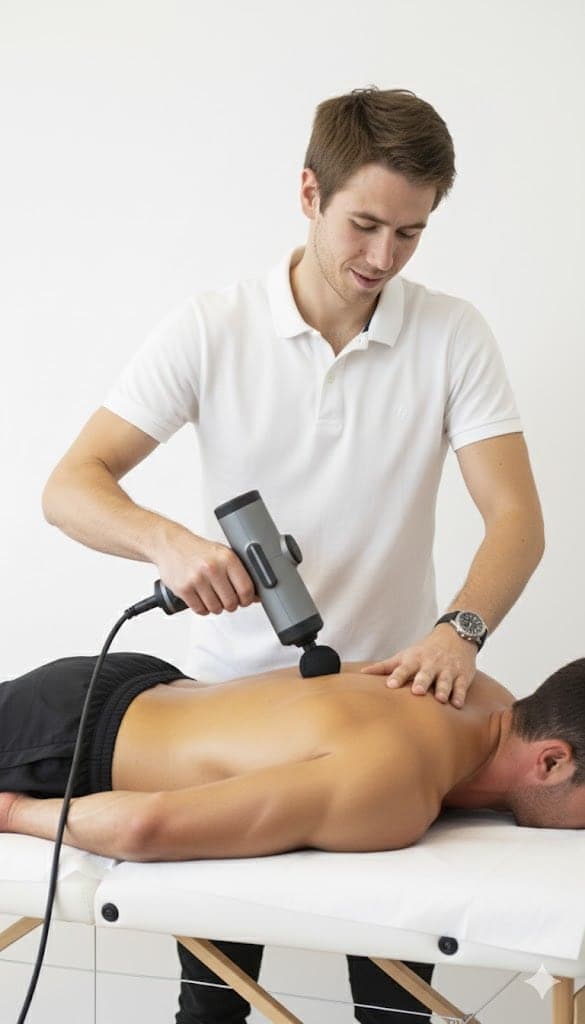
Written by
Chris
Massage therapist, nutrition and exercise physiologist
Norwegian-certified with a Bachelor’s in Physical Education and Nutrition and over ten years of clinical practice, working from a portable table in clients’ homes across the Paphos district.
This article is general information, not a medical diagnosis. If you have severe, worsening or unexplained pain, numbness, weakness, or pain after an accident, see a doctor first.