Advanced Massage Therapy Paphos: The Scientific Approach to Lasting Pain Relief
In short
Discover how advanced mechanical deep-tissue massage therapy in Paphos delivers lasting pain relief through precision technology and expert biomechanics—not temporary relaxation.
I remember a client who came to me after spending thousands of euros on traditional massage therapy over two years. She suffered from chronic shoulder pain that temporarily improved after each session, only to return within days. After our first advanced massage therapy session in Paphos, using my specialized mechanical technique, she experienced something different: the pain didn’t come back. That’s the fundamental difference between treating symptoms and addressing biomechanical causes.
After ten years of working with hundreds of clients—from professional athletes to office workers suffering from postural dysfunction—I’ve learned that most people misunderstand what therapeutic massage should accomplish. They’ve been conditioned to expect temporary relief, when lasting resolution is entirely achievable with the right approach.
Understanding Advanced Massage Therapy: Beyond Relaxation
Advanced massage therapy Paphos represents a paradigm shift from conventional massage practices. While traditional massage often focuses on surface-level relaxation and temporary symptom management, advanced mechanical deep-tissue therapy targets the root biomechanical causes of chronic pain and dysfunction.
My background in Physical Education and Nutrition from Norway, combined with a decade of clinical practice, has taught me that the human body operates as an integrated mechanical system. When one component malfunctions—whether due to injury, repetitive strain, or postural compensation—it creates cascading effects throughout the kinetic chain. Addressing these issues requires more than relaxation; it demands precision intervention at the fascial and muscular level where dysfunction originates.
The Limitations of Traditional Manual Massage
I need to be direct about something most massage therapists won’t admit: human hands have inherent limitations. Even the strongest, most skilled therapist experiences:
- Fatigue that reduces effectiveness during longer sessions
- Inconsistency between treatments depending on their physical condition
- Inability to maintain sustained, precise pressure at the depth required for fascial release
- Variable results based on technique execution on any given day
These aren’t criticisms of therapists—they’re acknowledgments of human physiology. The solution isn’t working harder; it’s working smarter with technology that eliminates these variables.
The Mechanical Advantage: Precision, Power, and Consistency
My advanced massage therapy approach in Paphos utilizes a specialized mechanical device that fundamentally changes what’s possible in therapeutic bodywork. This isn’t about replacing the therapist’s expertise—it’s about amplifying it with tools that deliver what hands cannot.
Deeper Than Hands: Accessing Root Causes
The mechanical tool I use penetrates to depths that manual pressure simply cannot reach safely or effectively. We’re talking about accessing the deepest layers of fascial tissue where chronic tension patterns establish themselves and create biomechanical compensation patterns.
I worked with a competitive cyclist last year who had developed severe IT band syndrome. Traditional massage had provided minimal relief because the therapists couldn’t access the fascial adhesions deep enough to create lasting change. Using the mechanical approach, we reached the problematic tissue layers, released the adhesions systematically, and eliminated his pain durably. He’s now competing pain-free—something three months of conventional therapy couldn’t achieve.
Complete Control: Customized Intensity
One of the most significant advantages of advanced mechanical massage therapy is the ability to modulate intensity with absolute precision. The device allows me to adjust pressure from gentle surface work to profoundly deep fascial release, all while maintaining perfect consistency.
This matters enormously. A recreational runner recovering from a hamstring strain requires different intervention intensity than a powerlifter dealing with chronic lower back dysfunction. The mechanical approach lets me deliver exactly what each client’s tissue needs at each stage of treatment.
| Client Type | Common Issues | Intensity Range | Typical Treatment Focus |
|---|---|---|---|
| Sedentary Office Workers | Postural dysfunction, neck/shoulder tension | Moderate to Deep | Cervical spine, thoracic outlet, hip flexors |
| Endurance Athletes | Overuse injuries, muscle imbalances | Deep to Very Deep | IT band, hamstrings, plantar fascia |
| Strength Athletes | Chronic tightness, ROM limitations | Very Deep to Maximum | Hip complex, thoracic spine, shoulder girdle |
| Post-Injury Recovery | Scar tissue, compensatory patterns | Light to Moderate (progressing) | Injury site and compensation chains |
Consistent Results: Eliminating Variables
Here’s what I guarantee: every advanced massage therapy session I deliver in Paphos will be performed at exactly the same level of excellence. The mechanical system doesn’t have bad days. It doesn’t get tired. It delivers precisely calibrated pressure for exactly as long as the tissue requires it.
This consistency transforms outcomes. When you book a series of treatments, you know exactly what you’re getting each time. The progression is predictable, the results are reliable, and the investment is justified by consistent performance.
Treating Causes, Not Symptoms: The Biomechanical Approach
Most people seeking massage therapy in Paphos are treating symptoms. They have back pain, so they want their back massaged. They have headaches, so they focus on neck and shoulder work. This symptom-chasing approach rarely produces lasting results because it ignores the fundamental principle of biomechanics: the site of pain is rarely the source of dysfunction.
Understanding Kinetic Chain Dysfunction
I had a client recently who presented with chronic knee pain. He’d been to physiotherapists, received manual therapy, and tried strengthening exercises—all focused on the knee. During my assessment, I identified severe hip flexor tightness and glute medius weakness creating altered gait mechanics and excessive medial knee loading.
We didn’t treat his knee. We addressed his hip dysfunction through targeted deep-tissue work on the hip flexors, TFL, and piriformis, combined with activation protocols for the posterior chain. His knee pain resolved completely within three sessions because we treated the cause, not the symptom.
This is what advanced massage therapy Paphos should mean: comprehensive biomechanical assessment followed by targeted intervention at the true source of dysfunction.
The Assessment Process
Before any treatment begins, I conduct a thorough biomechanical evaluation. This isn’t a cursory intake form—it’s a systematic examination of:
- Movement Patterns: Observing how you move reveals compensation strategies and identifies dysfunctional patterns
- Range of Motion: Testing joint mobility shows where restrictions exist and how they affect the kinetic chain
- Postural Analysis: Static posture assessment identifies chronic loading patterns and muscular imbalances
- Tissue Quality: Palpation reveals areas of fascial restriction, trigger points, and adhesions requiring intervention
- Pain History: Understanding the timeline and nature of symptoms helps identify causative factors
Only after this comprehensive assessment do we begin treatment—and the treatment targets what the assessment revealed, not what you think hurts.
Why Advanced Massage Therapy Produces Superior Results
I’ve worked with clients who’ve tried everything: conventional massage, physiotherapy, chiropractic care, pain medication, and various alternative approaches. Many arrive skeptical, having invested significant time and money without achieving lasting relief.
What makes advanced mechanical massage therapy in Paphos different comes down to several critical factors that traditional approaches cannot replicate.
Depth and Precision Combined
The mechanical device allows me to work at depths that would be impossible to sustain manually while maintaining surgical precision. We’re not just pressing harder—we’re accessing specific tissue layers with controlled force that creates genuine fascial release and triggers the body’s remodeling response.
I remember treating an MMA fighter with severe shoulder dysfunction that was limiting his training. Manual therapists had worked on him for months without significant improvement. Using the mechanical approach, we could access the subscapularis and rotator cuff attachments with precision and depth that manual work couldn’t achieve. His range of motion improved by 40% in the first session, and full function was restored after six treatments.
Sustained Therapeutic Pressure
Fascial release requires sustained pressure over time. Studies show that meaningful fascial change requires continuous force application for 90-120 seconds per area. Human hands fatigue; mechanical devices don’t. This allows me to deliver therapeutic pressure for however long the tissue requires to release properly.
Reproducible Technique
Every stroke, every pressure application, every treatment protocol is executed identically every time. This reproducibility means we can track progress accurately, adjust protocols based on objective response, and ensure you receive optimal treatment regardless of external variables.
The Investment Mindset: Long-Term Health Over Temporary Relief
I don’t offer relaxation massage. I don’t provide spa experiences. What I deliver is clinical intervention designed to durably resolve musculoskeletal dysfunction and optimize your body’s performance for daily life.
This requires a different mindset than most people bring to massage therapy.
Understanding Treatment as Investment
When you invest in advanced massage therapy Paphos with me, you’re not purchasing a temporary feel-good session. You’re investing in:
- Lasting resolution of chronic pain patterns that have limited your quality of life
- Enhanced performance in sports, work, and daily activities through optimized biomechanics
- Prevention of future dysfunction by addressing compensatory patterns before they become problematic
- Long-term cost savings by eliminating the need for ongoing symptom management
I had a client who initially balked at my pricing. She was accustomed to €40 relaxation massages that provided two days of relief. After calculating that she’d spent over €2,000 annually on massage for three years without resolving her chronic lower back pain, the investment in my systematic treatment protocol suddenly made financial sense. We resolved her dysfunction in eight sessions, and she’s been pain-free for eighteen months.
The Partnership Approach
Effective treatment isn’t about isolated sessions—it’s about a dedicated partnership with customized protocols designed specifically for your biomechanical needs. I develop comprehensive treatment plans that may span several weeks or months, depending on the complexity of your dysfunction and your performance goals.
This partnership includes:
- Initial comprehensive biomechanical assessment
- Customized treatment protocol with defined objectives
- Progressive intervention adjusted based on tissue response
- Education about your specific dysfunction and maintenance strategies
- Post-treatment protocols to reinforce therapeutic gains
Who Benefits Most from Advanced Massage Therapy in Paphos?
While anyone can benefit from proper therapeutic bodywork, certain populations see particularly dramatic results from the advanced mechanical approach.
Athletes and Active Individuals
Competitive and recreational athletes require more than general massage. They need targeted intervention that addresses sport-specific dysfunction, enhances recovery, and optimizes performance.
I work with cyclists dealing with IT band syndrome, runners managing plantar fasciitis, swimmers with shoulder impingement, and strength athletes with chronic hip and lower back dysfunction. The mechanical approach allows me to work deeply enough to create meaningful change in dense, well-conditioned muscle tissue that resists manual therapy.
Chronic Pain Sufferers
If you’ve lived with persistent pain for months or years despite trying various treatments, you need a fundamentally different approach. Advanced massage therapy Paphos using mechanical techniques can access tissue layers where chronic dysfunction resides and create the sustained intervention required for lasting resolution.
I’ve worked with clients suffering from:
- Chronic lower back pain from postural dysfunction
- Persistent neck and shoulder tension from desk work
- Recurring headaches from upper cervical restrictions
- Hip pain limiting mobility and quality of life
- Post-injury dysfunction that hasn’t resolved with standard care
Professionals with Demanding Physical Jobs
Construction workers, healthcare providers, hairdressers, and others in physically demanding occupations develop occupation-specific dysfunction patterns. Addressing these requires understanding the biomechanical demands of their work and targeting the specific tissues under chronic stress.
Desk Workers with Postural Issues
Prolonged sitting creates predictable dysfunction patterns: shortened hip flexors, weak glutes, tight pectorals, forward head posture, and thoracic kyphosis. These patterns cause pain and limit function, but they’re entirely addressable with systematic deep-tissue intervention targeting the affected tissue chains.
The Treatment Experience: What to Expect
Many clients ask what an advanced massage therapy session in Paphos actually looks like when I travel to their location. Understanding the process helps set appropriate expectations.
Mobile Professional Service
I bring everything required for professional treatment directly to your home, hotel, or training facility. This includes:
- Professional massage bench with proper support and adjustment capabilities
- Specialized mechanical treatment device
- All necessary supplies and equipment
- Complete setup and breakdown, requiring nothing from you
The mobile approach eliminates the inconvenience of traveling to appointments while providing the same clinical environment and professional standards you’d find in any high-level treatment facility.
Session Structure and Duration
A typical advanced massage therapy session follows this structure:
- Assessment (10-15 minutes): Movement evaluation, range of motion testing, and discussion of symptoms and goals
- Treatment (60-75 minutes): Systematic mechanical deep-tissue work targeting identified dysfunction
- Post-Treatment Protocol (10 minutes): Specific stretches, movement patterns, or self-care strategies to reinforce treatment effects
- Planning (5 minutes): Discussion of response, adjustments to treatment protocol, and scheduling of subsequent sessions
Intensity and Discomfort
I need to be honest: effective deep-tissue work at the level required to create lasting change involves discomfort. We’re accessing tissue layers that have been dysfunctional for months or years, breaking up adhesions, and triggering inflammatory responses necessary for tissue remodeling.
However, there’s a crucial difference between therapeutic discomfort and destructive pain. I constantly communicate with clients, adjusting intensity to stay within therapeutic ranges that produce results without causing tissue damage or protective guarding responses.
Most clients describe the sensation as “intense but satisfying”—they can feel we’re accessing problematic tissue and creating change. The mechanical approach allows precise modulation, so we can work at your maximum tolerance, which often exceeds what manual pressure can deliver.
Common Conditions Successfully Treated
Over a decade of practice, I’ve developed systematic protocols for addressing the most common musculoskeletal dysfunctions affecting people in Paphos and throughout Cyprus.
Lower Back Pain and Dysfunction
Lower back pain is rarely about the lower back. It’s typically the result of:
- Anterior pelvic tilt from tight hip flexors and weak glutes
- Posterior pelvic tilt from tight hamstrings and weak spinal erectors
- Lateral pelvic shift from unilateral hip dysfunction
- Thoracic immobility forcing excessive lumbar compensation
Advanced massage therapy addresses each causative factor systematically, releasing restricted tissues and restoring proper biomechanical function. The mechanical approach allows us to work deeply enough into the hip flexors, ilipsoas, and quadratus lumborum to create meaningful change that manual work often cannot achieve.
Neck, Shoulder, and Upper Back Tension
Modern life creates predictable upper body dysfunction: forward head posture, rounded shoulders, and thoracic kyphosis from prolonged screen time and desk work. This pattern creates:
- Chronic tension in the upper trapezius and levator scapulae
- Shortened pectorals pulling the shoulders forward
- Weak, inhibited middle and lower trapezius
- Restricted thoracic spine mobility
- Trigger points causing referral pain and headaches
Systematic deep-tissue work on the pectorals, scalenes, suboccipitals, and thoracic paraspinals, combined with activation of the posterior chain, reverses these patterns and eliminates associated pain.
Sports-Specific Dysfunction
Athletes develop sport-specific imbalances and overuse patterns that limit performance and cause pain. The mechanical approach allows me to work at intensities appropriate for highly conditioned tissue:
| Sport/Activity | Common Dysfunction | Treatment Focus | Expected Outcome |
|---|---|---|---|
| Cycling | IT band syndrome, hip flexor tightness | TFL, IT band, hip flexors, glute medius | Pain-free riding, improved power output |
| Running | Plantar fasciitis, Achilles tendinopathy | Calves, plantar fascia, posterior chain | Resolved heel pain, enhanced running economy |
| Swimming | Shoulder impingement, rotator cuff issues | Rotator cuff, pectorals, lat dorsi | Pain-free swimming, increased ROM |
| Strength Training | Hip restrictions, thoracic immobility | Hip capsule, adductors, thoracic spine | Improved squat depth, pain-free lifting |
Post-Injury Recovery and Scar Tissue Management
After injury, the body lays down scar tissue that’s often denser and less organized than the original tissue. This creates restrictions that limit function and increase re-injury risk. Advanced mechanical massage breaks up excessive scar tissue, improves tissue quality, and restores normal biomechanics.
I’ve worked with numerous clients post-surgery or after significant soft tissue injuries, helping them regain full function that standard physiotherapy couldn’t achieve. The key is accessing the tissue at appropriate depths with sustained pressure that triggers remodeling responses.
The Science Behind Mechanical Deep-Tissue Therapy
My approach isn’t based on tradition or anecdote—it’s grounded in current understanding of fascial science, biomechanics, and tissue physiology.
Fascial System and Myofascial Release
Fascia is the connective tissue matrix that surrounds and interconnects every structure in your body. When fascia becomes restricted through injury, repetitive strain, or inflammatory responses, it creates tension patterns that limit movement and cause pain.
Effective myofascial release requires sustained pressure that:
- Exceeds the tissue’s resistance threshold
- Is maintained long enough to trigger viscoelastic deformation (90-120 seconds)
- Accesses the specific fascial layer where restriction exists
- Remains consistent throughout the application
The mechanical approach delivers all four requirements reliably and consistently.
Trigger Point Deactivation
Myofascial trigger points are hyperirritable spots in taut bands of muscle that cause local and referred pain. Effective deactivation requires precise, sustained pressure directly on the trigger point until it releases—often several minutes per point.
Manual pressure fatigues quickly; mechanical pressure doesn’t. This allows complete trigger point protocols that manual work often abbreviates due to therapist fatigue.
Tissue Remodeling and Inflammatory Response
Deep-tissue work creates controlled microtrauma that triggers the body’s healing response. This inflammatory cascade brings increased blood flow, fibroblast activity, and collagen remodeling that improves tissue quality and function.
The key is creating sufficient stimulus to trigger remodeling without causing destructive damage. The mechanical approach’s precise control allows optimal therapeutic dosing.
Beyond Treatment: Maintenance and Prevention
My goal isn’t creating dependent clients who need weekly sessions indefinitely. It’s resolving your dysfunction, optimizing your biomechanics, and equipping you with knowledge to maintain the results.
Self-Care Protocols
After addressing your primary dysfunction, I provide specific self-care strategies tailored to your needs:
- Targeted stretches for tissues prone to tightness in your case
- Activation exercises for weak or inhibited muscles
- Movement modifications to reduce dysfunction-causing patterns
- Foam rolling or self-massage techniques for maintenance
Periodic Maintenance
Even after resolving dysfunction, periodic maintenance sessions prevent regression and address new issues before they become problematic. Many clients transition to monthly or quarterly sessions after completing their initial intensive protocol.
Performance Optimization
Beyond pain resolution, advanced massage therapy Paphos can optimize performance for athletes and active individuals. Regular systematic deep-tissue work:
- Maintains optimal range of motion
- Prevents overuse injury patterns
- Enhances recovery between training sessions
- Identifies developing dysfunction before it limits performance
Why Choose This Approach Over Alternatives?
Paphos offers numerous massage and bodywork options. Understanding what distinguishes advanced mechanical massage therapy helps you make informed decisions about your health investment.
Versus Traditional Massage
Traditional massage provides relaxation and temporary symptom relief. It’s valuable for stress management and general wellness. However, if you have chronic dysfunction requiring lasting resolution, traditional massage rarely achieves that goal because it lacks the depth, precision, and systematic approach necessary to address biomechanical causes.
Versus Physiotherapy
Physiotherapy excels at exercise prescription, movement reeducation, and post-surgical rehabilitation protocols. However, many physiotherapists lack advanced manual therapy skills or the time to deliver intensive soft tissue work. The approaches complement each other—I often work alongside physiotherapists, providing the deep-tissue component while they handle exercise progression and movement training.
Versus Chiropractic Care
Chiropractic manipulation addresses joint restrictions and alignment issues. However, if the soft tissues surrounding the joint are dysfunctional, adjustments often don’t hold because the muscular imbalances pull structures back out of alignment. Addressing soft tissue dysfunction first often makes chiropractic adjustments more effective and longer-lasting.
Versus Spa Massage
Spa massage and advanced therapeutic massage serve entirely different purposes. Spa massage provides relaxation, stress relief, and general wellness—all valuable outcomes. Advanced massage therapy addresses specific musculoskeletal dysfunction with clinical precision. Comparing them is like comparing a pleasant meal with surgery: both have value, but they serve completely different needs.
Frequently Asked Questions
How is mechanical massage different from regular deep-tissue massage?
Mechanical massage uses a specialized device that delivers consistent, precise pressure at depths beyond what human hands can achieve or sustain. This allows access to deeper fascial layers where chronic dysfunction resides, with perfect consistency throughout the treatment. Manual deep-tissue massage is limited by therapist strength, endurance, and the inherent variability of human performance. The mechanical approach eliminates these limitations while allowing me to use my expertise to assess, adjust, and optimize treatment in real-time.
Is the treatment painful?
Effective deep-tissue work involves therapeutic discomfort, but it shouldn’t be unbearable or cause you to guard protectively. We’re accessing tissue layers that have been dysfunctional for months or years, which naturally involves sensation. However, I constantly adjust intensity based on your feedback and tissue response. Most clients describe it as “intense but good”—they can feel we’re addressing the problem. The mechanical approach allows precise modulation, so we work at your maximum therapeutic tolerance.
How many sessions will I need?
This depends entirely on your specific dysfunction, how long it’s existed, and your goals. Acute issues from recent injury might resolve in 2-4 sessions. Chronic dysfunction developed over years typically requires 6-12 sessions for complete resolution. Athletic performance optimization is often ongoing with periodic maintenance. During your initial assessment, I’ll provide a realistic timeline based on your specific presentation and goals.
Why do you charge more than typical massage services in Paphos?
Because I’m not providing typical massage services. I’m delivering clinical intervention based on ten years of experience and university-level education in biomechanics. You’re paying for lasting resolution of dysfunction, not temporary symptom relief. My clients typically calculate that resolving chronic pain in 8 sessions at my rates costs less than years of weekly massages that never address the underlying cause. This is an investment in long-term health, not an expense for temporary comfort.
Can you help with my specific condition?
If your issue involves musculoskeletal dysfunction—pain, restricted movement, chronic tension, or performance limitations related to muscles, fascia, or biomechanics—then advanced massage therapy can likely help. Conditions I regularly address include chronic back pain, neck and shoulder dysfunction, sports injuries, postural problems, and various overuse syndromes. If your issue is outside my scope (medical conditions, acute injuries requiring medical attention, systemic disease), I’ll tell you directly and refer you to appropriate care.
Do you work with insurance companies?
I provide detailed treatment documentation that clients can submit to insurance companies offering complementary therapy coverage. However, reimbursement policies vary significantly between providers and plans. I recommend contacting your insurance company directly to understand your coverage before beginning treatment.
Why do you travel to clients instead of having a clinic?
The mobile model provides several advantages: you save time and avoid travel hassle, you’re treated in your comfortable environment, and scheduling is more flexible. I bring complete professional equipment, so the treatment quality is identical to any clinic setting. Many clients are busy professionals, athletes with demanding schedules, or individuals with mobility limitations who appreciate the convenience. It also allows me to work with clients across Paphos and surrounding areas without geographic limitations.
What should I do after a treatment session?
Immediately after treatment, you might feel slightly sore—similar to post-workout soreness—as your body responds to the deep tissue work. This typically peaks 24-48 hours post-treatment and then resolves. I recommend staying well-hydrated, avoiding intense activity for 24 hours, and performing any stretches or movements I prescribe. Light activity is fine and often helpful. The soreness is part of the tissue remodeling process and indicates we’ve created meaningful stimulus for change.
Taking the First Step: Investment in Your Long-Term Health
If you’re reading this far, you’re likely someone who’s been living with dysfunction long enough to recognize that what you’ve tried hasn’t produced lasting results. You understand the difference between temporary relief and lasting resolution.
Advanced massage therapy in Paphos using mechanical deep-tissue techniques offers what traditional approaches cannot: systematic, reproducible intervention that addresses biomechanical causes of pain and dysfunction at their source. With my decade of experience, university education in body mechanics, and specialized equipment, I deliver results that change lives—not just provide temporary comfort.
Who This Is For
This service is for people who:
- Have chronic pain or dysfunction limiting their quality of life
- Understand that effective treatment requires investment, not just expense
- Want lasting resolution, not ongoing symptom management
- Are committed to following treatment protocols and recommendations
- Value expertise, systematic approaches, and proven results
Who This Isn’t For
This service isn’t appropriate for people seeking:
- Relaxation massage or spa experiences
- The cheapest available option regardless of quality
- Quick fixes without commitment to the process
- Treatment without willingness to address contributing factors
Making the Decision
You’ve spent years adapting to dysfunction, compensating for pain, and accepting limitations you shouldn’t have to tolerate. The question isn’t whether advanced massage therapy works—I have hundreds of clients who can attest to lasting resolution of issues they’d lived with for years.
The question is whether you’re ready to invest in genuine resolution instead of continuing to pay for temporary relief that never addresses the underlying problem.
I travel throughout Paphos and surrounding areas, bringing professional equipment and delivering clinical-level treatment in your home, hotel, or training facility. Each session is customized based on comprehensive assessment and systematic protocols designed specifically for your biomechanical needs.
If you’re ready to address the cause of your dysfunction rather than continuing to chase symptoms, if you understand that lasting results require expertise and systematic intervention, and if you’re prepared to invest in long-term health rather than temporary comfort, then advanced massage therapy Paphos represents the solution you’ve been seeking.
Your body has adapted to dysfunction for long enough. It’s time to address it properly, durably, and professionally.
Evidence and limits
Massage may help with some symptoms, but benefits and evidence vary by condition. It does not replace medical assessment or treatment. A page update is not evidence of an independent clinical review.
Further reading: Massage therapy: evidence, safety and limitations by US National Center for Complementary and Integrative Health. This is general background reading, not verification of every claim in this article.
How we describe evidence and updates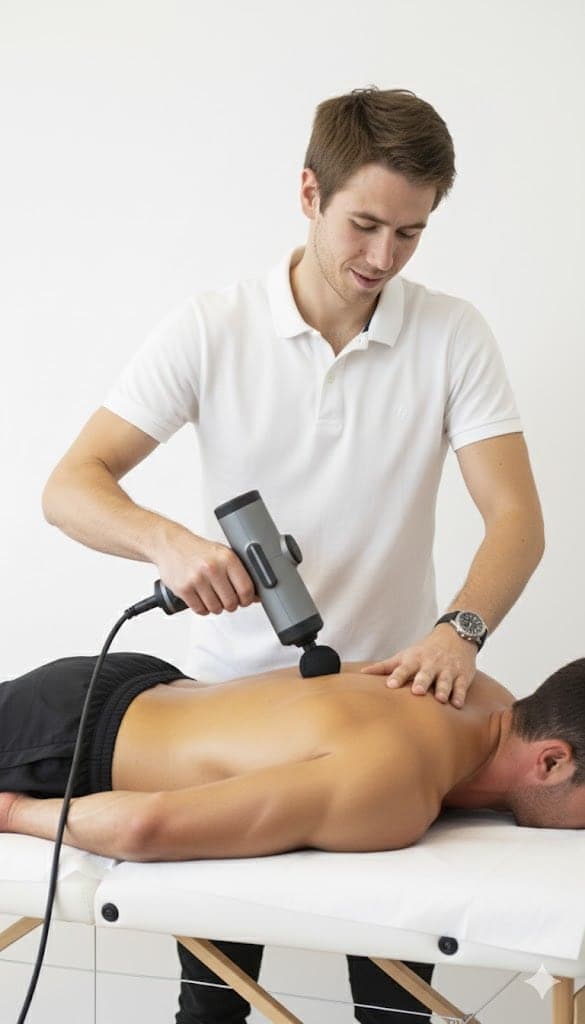
Written by
Chris
Massage therapist, nutrition and exercise physiologist
Norwegian-certified with a Bachelor’s in Physical Education and Nutrition and over ten years of clinical practice, working from a portable table in clients’ homes across the Paphos district.
This article is general information, not a medical diagnosis. If you have severe, worsening or unexplained pain, numbness, weakness, or pain after an accident, see a doctor first.