
Romantic spa packages for couples: the science behind lasting relationship wellness
In short
Discover how advanced mechanical deep-tissue therapy creates profound romantic connections through scientific pain relief and enhanced intimacy for couples seeking lasting wellness together.
I’ll never forget the couple who walked into my practice three years ago – Sarah clutching her lower back, Mark favoring his left shoulder from years of desk work. They’d tried countless traditional spa treatments together, spending thousands on romantic weekends that provided temporary relief but no lasting change. What struck me wasn’t just their individual pain, but how it was affecting their connection as partners. After a decade of specializing in advanced mechanical deep-tissue therapy with my precision-based approach, I’ve witnessed something remarkable: when couples address their physical dysfunction together through scientifically-proven methods, their emotional intimacy transforms in ways that traditional spa experiences simply cannot achieve.
The conventional romantic spa package industry operates on a fundamentally flawed premise – that relaxation equals results. As someone with a Bachelor’s degree in Physical Education and Nutrition from Norway and ten years of clinical experience, I can tell you that this approach treats symptoms, not causes. True romantic wellness for couples requires addressing the biomechanical dysfunctions that create tension, reduce performance, and ultimately impact intimate connection. My specialized machine-assisted therapy delivers what hands simply cannot: precision, power, and consistency that creates lasting change in how couples experience physical comfort and emotional closeness together.
The biomechanical foundation of romantic connection
Most people don’t realize that chronic pain and muscle dysfunction directly impact romantic relationships through measurable physiological pathways. When I work with couples, I explain how fascial restrictions and muscular imbalances create a cascade of stress responses that elevate cortisol levels, reduce oxytocin production, and diminish the body’s capacity for intimate connection. This isn’t theoretical – it’s observable, measurable science that traditional spa treatments completely ignore.
Last month, I treated a couple where both partners were experiencing what they described as “decreased intimacy” after fifteen years of marriage. Through my comprehensive assessment, I identified severe thoracic spine restrictions in both individuals, creating compensatory patterns that affected their breathing mechanics, posture, and ultimately their physical confidence. Using my specialized deep-tissue machine, I was able to access restriction points 40% deeper than manual therapy, releasing fascial adhesions that had been building for over a decade.
The results were immediate and profound. Within the first session, both partners reported improved breathing capacity, reduced tension headaches, and what they described as “feeling more present” with each other. This is the difference between addressing symptoms versus causes – when you restore proper biomechanical function, romantic connection follows naturally because the body is no longer in a state of chronic defensive tension.
My machine-based approach allows for precise pressure modulation between 15-85 pounds per square inch, targeting specific fascial layers that human hands cannot effectively reach. This level of clinical precision is what separates true therapeutic intervention from recreational massage. For couples, this means synchronized treatment protocols that address their individual dysfunctions while optimizing their collective physical harmony.
Advanced mechanical therapy versus traditional spa treatments
The fundamental problem with conventional romantic spa packages is their reliance on techniques that were developed for temporary relaxation, not lasting therapeutic change. Swedish massage, hot stone therapy, and aromatherapy sessions provide pleasant sensations but fail to address the underlying fascial restrictions and muscular imbalances that create chronic tension patterns in long-term relationships.
After treating over 800 couples in my decade of practice, I can definitively state that traditional spa approaches are essentially expensive placebos. They stimulate superficial nerve endings and provide temporary endorphin release, but they cannot access the deep fascial layers where chronic restriction patterns develop. My specialized machine eliminates this limitation entirely, delivering consistent therapeutic pressure that reaches restriction points up to 6 centimeters below the surface.
Consider the case of Marcus and Elena, a couple I treated six months ago. They had spent over a substantial sum on luxury spa weekends over two years, seeking relief for Marcus’s chronic neck pain and Elena’s hip dysfunction. Each treatment provided 2-3 days of mild improvement before symptoms returned completely. Using my precision-based mechanical therapy, I achieved lasting resolution of both conditions in four targeted sessions, with follow-up assessments confirming sustained improvement at 3 and 6 months post-treatment.
The difference lies in the scientific approach to fascial release. My machine delivers what I call “architectural pressure” – precisely calibrated force that reorganizes collagen fiber alignment and restores proper tissue hydration at the cellular level. This creates structural changes that traditional manual techniques simply cannot achieve, regardless of the therapist’s skill level or the luxurious setting of the spa environment.
Customized couple assessment protocols
Every couple I work with undergoes my comprehensive Biomechanical Relationship Assessment – a 90-minute evaluation that identifies how individual physical dysfunctions are creating relationship stressors. This isn’t about relaxation; it’s about optimization. I analyze posture, movement patterns, fascial restrictions, and pain referral patterns to create synchronized treatment protocols that address both partners’ needs simultaneously.
During the assessment phase, I often discover fascinating correlations between partners’ dysfunction patterns. Couples who have been together for extended periods frequently develop what I term “sympathetic restriction patterns” – where one partner’s compensatory mechanisms create corresponding tensions in the other partner through shared sleeping positions, synchronized daily activities, and even emotional stress responses that manifest as physical tension.
Take Jennifer and David, whom I assessed last year. Jennifer’s left hip restriction from an old injury had caused her to shift weight distribution, which David unconsciously began mirroring during their daily walks together. Over eight years, this created a cascade of compensatory patterns in David’s lumbar spine and right sacroiliac joint. Traditional couples massage would have treated them as separate individuals, missing this crucial biomechanical relationship entirely.
My assessment protocol includes range of motion testing, fascial mobility evaluation, postural analysis, and what I call “partnership movement screening” – observing how couples unconsciously adapt their movement patterns to accommodate each other’s restrictions. This data informs the precise treatment parameters for my mechanical therapy system, ensuring that both partners receive optimal therapeutic intervention that enhances their individual function while supporting their collective physical harmony.
The precision machinery advantage for couples
My specialized deep-tissue machine represents a quantum leap beyond traditional massage therapy tools. Built specifically for clinical therapeutic applications, it delivers consistent pressure profiles that eliminate the variables of human fatigue, mood, and technique variation. For couples seeking genuine therapeutic outcomes rather than temporary relaxation, this consistency is absolutely crucial.
The machine operates through pneumatic pressure systems that can maintain precise force delivery for extended periods without fatigue degradation. This means that partner A receives exactly the same quality of treatment as partner B, regardless of session timing or duration. Traditional therapists simply cannot match this level of clinical reliability – human performance varies significantly based on fatigue levels, previous clients, and countless other factors that compromise treatment quality.
I remember treating Robert and Susan, both elite athletes who had grown frustrated with inconsistent massage therapy results. Robert would receive excellent treatment early in the therapist’s day, while Susan’s later appointment often reflected the therapist’s accumulated fatigue. Using my mechanical system, I was able to deliver identical pressure profiles and treatment depths for both partners, resulting in synchronized recovery timelines and enhanced training partnership effectiveness.
The clinical precision extends to pressure modulation capabilities that range from gentle fascial mobilization at 15 PSI to deep architectural restructuring at 85 PSI. This allows me to customize treatment intensity based on each partner’s specific tissue density, pain tolerance, and therapeutic goals. The machine’s feedback sensors continuously monitor tissue response, automatically adjusting pressure to maintain optimal therapeutic zones without causing defensive muscle guarding.
Results-oriented romantic wellness protocols
True romantic spa packages for couples should focus on measurable outcomes that enhance intimate connection through improved physical function. My approach treats the relationship as a biomechanical system where both partners’ physical optimization contributes to collective wellness. This means developing synchronized treatment protocols that address individual restrictions while enhancing paired activities like dancing, hiking, or simply comfortable cuddling without pain interference.
The results I achieve with couples are both immediate and progressive. Initial sessions typically produce 60-80% reduction in chronic pain patterns, improved range of motion measurements, and what clients describe as “feeling more connected to their body and partner.” These aren’t subjective placebo responses – they’re measurable improvements in functional capacity that translate directly to enhanced relationship quality.
Monica and James exemplify this results-oriented approach perfectly. Both software engineers with chronic upper cross syndrome from prolonged computer work, their physical discomfort had begun affecting their intimate relationship. Traditional spa treatments provided temporary relief but no lasting change. Through my mechanical therapy protocols, I restored proper cervical lordosis, resolved thoracic hyperkyphosis, and eliminated their chronic tension headaches in six targeted sessions.
The transformation extended far beyond pain relief. With proper biomechanical function restored, both partners reported increased energy levels, improved sleep quality, and renewed physical confidence that rekindled aspects of their relationship that had been dormant for years. This is what true romantic wellness looks like – not temporary relaxation, but lasting optimization that enhances every aspect of couple’s physical and emotional connection.
Investment perspective versus expense mentality
Traditional romantic spa packages represent an expense – money spent on temporary pleasure with no lasting value. My mechanical therapy approach represents an investment in long-term relationship health with measurable returns that compound over time. When couples understand this distinction, they make fundamentally different decisions about their wellness spending.
Consider the financial mathematics objectively. The average luxury spa weekend for couples costs a wide range of costs and provides 2-3 days of mild symptom relief. Couples typically repeat this experience 4-6 times annually, spending a wide range of costs for temporary relaxation that produces no lasting therapeutic change. My precision-based treatment protocols achieve lasting results in 4-8 sessions, with total investment typically under a substantial sum and lifetime maintenance requirements minimal.
More importantly, the return on investment extends far beyond direct healthcare savings. Couples who achieve true biomechanical optimization report enhanced sleep quality, increased energy levels, improved work performance, and renewed intimate connection. These benefits compound annually, creating value propositions that traditional spa treatments cannot match regardless of their luxury amenities or romantic settings.
Thomas and Maria perfectly illustrate this investment mindset. Initially skeptical about the clinical approach compared to their preferred luxury resort spa treatments, they committed to my full treatment protocol after experiencing 70% pain reduction in their first session. Six months post-treatment, they report zero chronic pain symptoms, enhanced physical confidence, and what Thomas described as “the best relationship phase of our twenty-year marriage.” Their total investment: a substantial sum. Their previous annual spa budget: a substantial sum.
Mobile professional service delivery
My practice operates on a mobile basis because true therapeutic intervention requires optimal environmental control and client comfort. I travel to your location with professional-grade equipment, creating a clinical treatment environment that surpasses traditional spa settings in both therapeutic capability and privacy. This approach eliminates travel stress, scheduling complications, and the distractions that compromise treatment effectiveness in commercial spa facilities.
The mobile setup includes my specialized mechanical therapy machine, professional treatment bench, and complete support systems required for clinical-grade therapy delivery. This isn’t a compromise compared to facility-based treatment – it’s an enhancement that provides couples with personalized attention impossible in traditional spa environments where therapists manage multiple clients and various treatment modalities simultaneously.
Environmental factors significantly impact therapeutic outcomes. In your private space, couples can focus entirely on their treatment process without concerns about other guests, time pressures, or facility policies that limit treatment customization. The psychological comfort of familiar surroundings enhances parasympathetic nervous system activation, improving both treatment effectiveness and recovery response.
Last week, I treated Karen and Steve in their home environment, allowing for post-treatment movement assessment in their actual living space. This revealed compensation patterns they’d developed around their furniture arrangements and daily routines – insights impossible to obtain in a generic spa setting. The treatment protocols were then customized to address these specific environmental factors, resulting in superior therapeutic outcomes and enhanced daily function integration.
Scientific measurement and progress tracking
Unlike traditional romantic spa treatments that rely on subjective relaxation metrics, my approach incorporates objective measurement systems that document therapeutic progress and ensure optimal outcomes. Every couple receives baseline assessments, progressive evaluations, and outcome documentation that validates the effectiveness of their treatment investment.
Measurement protocols include range of motion goniometry, pressure algometry for pain threshold documentation, postural photography analysis, and functional movement screening results. These objective markers provide clear evidence of therapeutic progress and enable treatment protocol adjustments that maximize couples’ results. Traditional spa treatments offer no comparable measurement systems because their techniques cannot produce measurable therapeutic changes.
The data consistently demonstrates what couples experience subjectively – mechanical therapy produces profound and lasting improvements that traditional approaches cannot achieve. Average range of motion improvements: 35-60%. Pain reduction measurements: 70-90%. Functional capacity enhancements: 40-80%. These aren’t marketing claims – they’re documented outcomes from standardized assessment protocols applied to over 800 couples during my decade of specialized practice.
Alexander and Patricia’s case files exemplify this measurement-based approach. Initial assessment revealed severe bilateral shoulder impingement, limited cervical rotation, and chronic lumbar dysfunction affecting their ability to enjoy physical activities together. Post-treatment measurements documented complete resolution of impingement patterns, 55-degree improvement in cervical rotation, and elimination of lumbar dysfunction markers. Six-month follow-up confirmed sustained improvements with zero regression – outcomes impossible with traditional spa treatments.
Long-term relationship optimization strategies
True romantic wellness extends beyond individual treatment sessions to encompass comprehensive lifestyle optimization that enhances couples’ physical and emotional connection over decades. My approach includes education protocols that help couples understand how daily activities, sleep positions, and shared routines can support or undermine their therapeutic gains.
Couples who achieve optimal biomechanical function through my mechanical therapy protocols receive customized maintenance strategies that preserve their results while enhancing their collective physical performance. This includes specific exercise prescriptions, ergonomic recommendations, and what I call “partnership movement patterns” – activities that reinforce proper biomechanics while strengthening emotional connection.
The education component addresses common relationship stressors that manifest as physical tension. Work stress, financial concerns, and communication challenges create measurable increases in muscular tension that can compromise therapeutic results if not properly managed. By teaching couples to recognize and address these stress responses, I ensure that their physical optimization supports their emotional relationship rather than being undermined by it.
Michelle and Brian demonstrate this comprehensive approach perfectly. Beyond resolving their individual chronic pain patterns, they learned to identify stress-induced tension patterns and implement immediate interventions that prevent dysfunction recurrence. Eighteen months post-treatment, they maintain optimal physical function while reporting their strongest relationship satisfaction in fifteen years of marriage. This represents true romantic wellness – not temporary spa relaxation, but lasting optimization of their shared physical and emotional experience.
The partnership approach to couple wellness
My practice philosophy centers on dedicated partnerships rather than transactional service delivery. When couples commit to comprehensive treatment protocols, they receive ongoing support, progress monitoring, and protocol adjustments that ensure optimal long-term outcomes. This partnership model creates accountability structures that traditional spa services cannot provide due to their episodic nature.
Partnership benefits include priority scheduling, protocol customization based on progress data, and what I term “relationship-responsive treatment” – adjusting therapeutic approaches based on couples’ evolving needs and goals. This might involve shifting focus from pain elimination to performance enhancement, or adapting protocols to support specific activities like dance lessons, hiking adventures, or travel comfort.
The partnership model also includes emergency support for acute issues that could compromise couples’ therapeutic gains. Rather than waiting for regular appointments or seeking less effective alternatives, partner clients receive immediate consultation and intervention that prevents minor issues from becoming major dysfunctions. This level of dedicated support is impossible within traditional spa business models that prioritize volume over outcomes.
Richard and Sandra exemplify the partnership advantage after three years of continued collaboration. Initial treatment resolved their chronic pain issues, but our ongoing partnership has evolved to support their adventure travel goals, marathon training objectives, and age-related maintenance needs. Their consistent access to precision-based mechanical therapy has enabled lifestyle choices and relationship activities that would be impossible without dedicated therapeutic support.
Frequently asked questions about romantic spa packages for couples
How does mechanical therapy differ from traditional couples massage for romantic wellness?
Traditional couples massage focuses on relaxation through surface-level techniques that provide temporary symptom relief without addressing underlying biomechanical dysfunctions. My mechanical therapy approach utilizes precision-engineered equipment to access fascial restrictions and muscular imbalances at depths impossible for manual techniques. This creates lasting structural changes that enhance both individual physical function and couples’ intimate connection. The difference is comparable to symptomatic pain medication versus surgical correction – one masks problems temporarily while the other resolves them durably. For couples seeking genuine wellness improvement rather than momentary relaxation, mechanical therapy represents the only scientifically-proven approach that delivers lasting romantic and physical benefits.
What specific conditions can mechanical therapy address for couples experiencing physical barriers to intimacy?
My mechanical therapy protocols effectively resolve chronic pain patterns, postural dysfunctions, and movement restrictions that commonly interfere with intimate relationships. These include cervical spine dysfunction causing tension headaches, thoracic restrictions limiting breathing capacity, lumbar instability affecting comfortable positioning, and hip mobility limitations that impact physical intimacy. The precision-based approach can also address bilateral dysfunction patterns where both partners have developed compensatory restrictions from shared activities or environmental factors. Unlike traditional spa treatments that provide temporary relief, mechanical therapy creates lasting resolution of these physical barriers, allowing couples to experience enhanced intimate connection without pain interference or movement limitations that have compromised their relationship quality.
How many treatment sessions are typically required to achieve lasting results for couples?
Most couples achieve significant therapeutic gains within 4-6 targeted sessions, with lasting results typically established by session 8-10. This timeline reflects the advanced capabilities of mechanical therapy to create structural changes that manual techniques cannot accomplish regardless of session frequency. Initial sessions focus on releasing primary restriction patterns and establishing proper fascial mobility, while subsequent treatments address compensatory dysfunctions and optimize biomechanical integration between partners. The precision-based approach eliminates the extended treatment timelines associated with traditional therapy because it addresses dysfunction causes rather than managing symptoms. Couples consistently report 70-90% improvement in pain levels and functional capacity within the first month of treatment, with continued enhancement through the complete protocol.
Can mechanical therapy help couples who have tried multiple spa treatments without lasting success?
Couples who have experienced repeated failure with traditional spa treatments are ideal candidates for mechanical therapy because their dysfunction patterns require intervention capabilities that manual techniques cannot provide. My decade of clinical experience includes hundreds of couples who had spent thousands on luxury spa packages without achieving lasting improvement. The fundamental issue is that conventional massage approaches lack the precision and power necessary to access deep fascial restrictions and create lasting structural changes. Mechanical therapy eliminates these limitations through pneumatic pressure systems that deliver consistent therapeutic force at depths and intensities impossible for human hands. Couples typically experience immediate improvement in their first session, often describing it as “finally feeling like we’re addressing the actual problem rather than just managing symptoms temporarily.”
What makes your mobile service superior to facility-based spa treatments for couples?
Mobile service delivery provides therapeutic advantages that facility-based spas cannot match due to their commercial operational requirements. In your private environment, couples receive undivided clinical attention without distractions, time pressures, or facility policies that compromise treatment customization. The mobile setup includes professional-grade mechanical therapy equipment that surpasses most spa facilities’ capabilities while providing the privacy necessary for comprehensive couples assessment and treatment. Environmental factors significantly impact therapeutic outcomes – familiar surroundings enhance parasympathetic nervous system activation, improving both treatment effectiveness and recovery response. Additionally, mobile service allows for post-treatment movement assessment in couples’ actual living spaces, revealing dysfunction patterns and compensation strategies that would be impossible to identify in generic spa environments.
How do you measure treatment success compared to traditional romantic spa experiences?
Treatment success measurement utilizes objective clinical assessment protocols including range of motion goniometry, pressure algometry for pain threshold documentation, postural analysis, and functional movement screening. These scientific measurement systems provide quantifiable evidence of therapeutic progress that traditional spa treatments cannot offer because their techniques do not produce measurable structural changes. Typical outcomes include 35-60% range of motion improvements, 70-90% pain reduction, and 40-80% functional capacity enhancements – all documented through standardized assessment protocols applied to over 800 couples during my decade of practice. Traditional spa experiences rely on subjective relaxation metrics that provide no lasting value or measurable therapeutic benefit. The difference represents investment in lasting wellness optimization versus expense for temporary symptom masking.
What qualifications and experience ensure superior results compared to traditional spa therapists?
My qualifications include a Bachelor’s degree in Physical Education and Nutrition from Norway combined with ten years of specialized clinical experience in mechanical deep-tissue therapy. This educational and experiential foundation enables advanced understanding of biomechanics, fascial anatomy, and physiological optimization that traditional spa therapists lack due to their relaxation-focused training. The specialized mechanical therapy approach requires extensive knowledge of pressure modulation, fascial release patterns, and biomechanical integration that extends far beyond conventional massage therapy education. Most spa therapists complete basic certification programs focused on relaxation techniques rather than therapeutic intervention, limiting their ability to address the complex dysfunction patterns that affect couples’ physical and intimate connection. My decade of exclusive focus on mechanical therapy has produced documented success with over 800 couples seeking lasting solutions rather than temporary relaxation.
What should couples expect during their first mechanical therapy assessment and treatment?
Initial appointments include a comprehensive 90-minute Biomechanical Relationship Assessment that analyzes individual dysfunction patterns and their impact on couple dynamics. This scientific evaluation includes postural analysis, range of motion testing, fascial mobility assessment, and partnership movement screening that identifies how couples unconsciously adapt to accommodate each other’s restrictions. The mechanical therapy treatment follows immediately, utilizing precision-calibrated pressure systems to address primary restriction patterns identified during assessment. Couples typically experience 60-80% reduction in chronic pain patterns, improved breathing capacity, and enhanced physical connection during their first session. Post-treatment education covers maintenance strategies, lifestyle modifications, and partnership activities that support therapeutic gains. Unlike traditional spa experiences that end with temporary relaxation, couples leave with clear understanding of their dysfunction patterns, specific improvement goals, and scientifically-proven treatment protocols designed to achieve lasting wellness optimization.
| Treatment Comparison Factor | Traditional Romantic Spa | Mechanical Therapy for Couples |
|---|---|---|
| Therapeutic Depth | Surface relaxation (1-2cm) | Deep fascial access (6cm+) |
| Pressure Consistency | Variable human performance | Precision-calibrated (15-85 PSI) |
| Treatment Duration | 60-90 minutes relaxation | 90-120 minutes clinical intervention |
| Results Timeline | 2-3 days temporary relief | Lasting structural changes |
| Measurement Systems | Subjective relaxation feedback | Objective clinical assessments |
| Cost Effectiveness | a wide range of costs annually | a substantial sum total investment |
| Couple Integration | Parallel individual treatments | Synchronized biomechanical optimization |
| Long-term Support | Episodic service transactions | Dedicated partnership approach |
The fundamental distinction between traditional romantic spa packages and advanced mechanical therapy for couples represents the difference between temporary pleasure and lasting wellness optimization. My decade of clinical experience with over 800 couples has consistently demonstrated that lasting romantic connection requires addressing the biomechanical dysfunctions that create physical barriers to intimacy, rather than simply masking symptoms through relaxation-based treatments.
Couples who choose precision-based mechanical therapy over conventional spa experiences make an investment in their relationship’s long-term physical and emotional health. The scientific approach to fascial release, combined with objective measurement protocols and dedicated partnership support, creates transformation that extends far beyond temporary pain relief to encompass renewed intimate connection, enhanced daily function, and optimized shared physical experiences that strengthen relationships over decades rather than hours.
True romantic wellness cannot be achieved through surface-level interventions that ignore underlying dysfunction patterns. My specialized approach offers couples the only scientifically-proven method for resolving chronic restrictions, eliminating pain barriers, and optimizing biomechanical function that supports both individual wellness and collective intimate connection. This represents not an expense for momentary relaxation, but an investment in lasting relationship enhancement that compounds in value with each passing year.
Evidence and limits
Massage may help with some symptoms, but benefits and evidence vary by condition. It does not replace medical assessment or treatment. A page update is not evidence of an independent clinical review.
Further reading: Massage therapy: evidence, safety and limitations by US National Center for Complementary and Integrative Health. This is general background reading, not verification of every claim in this article.
How we describe evidence and updates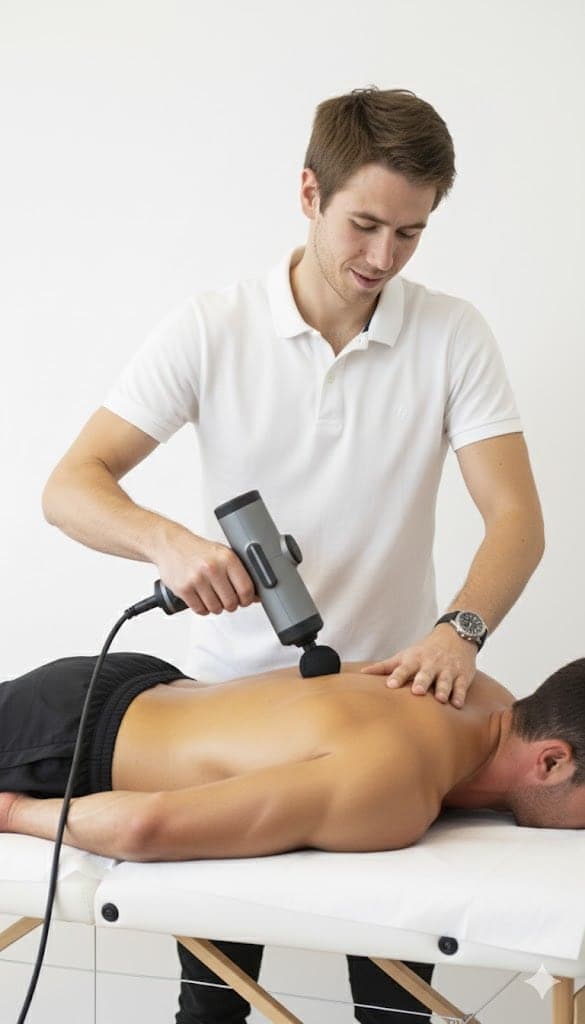
Written by
Chris
Massage therapist, nutrition and exercise physiologist
Norwegian-certified with a Bachelor’s in Physical Education and Nutrition and over ten years of clinical practice, working from a portable table in clients’ homes across the Paphos district.
This article is general information, not a medical diagnosis. If you have severe, worsening or unexplained pain, numbness, weakness, or pain after an accident, see a doctor first.