Orthopedic Shoes Geroskipu: Professional Guide to Lasting Foot Pain Relief
In short
Discover how orthopedic shoes in Geroskipu can targets the cause of chronic foot pain through biomechanical support. Expert insights on choosing footwear that treats the cause, not just symptoms.
After a decade of working with body mechanics and treating clients who’ve suffered needlessly from foot pain, I’ve witnessed a pattern that frustrates me deeply: people accepting chronic discomfort as inevitable. In Geroskipu, where the Mediterranean climate encourages outdoor activity and walking, I’ve seen too many individuals limiting their lifestyle because they believe foot pain is simply part of aging or their “unique anatomy.” This is categorically false.
Orthopedic shoes represent far more than comfortable footwear—they’re a biomechanical intervention that addresses structural misalignments at their source. My education in Physical Education and Nutrition from Norway, combined with extensive clinical experience treating foot-related dysfunction, has taught me this: proper footwear is foundational to eliminating pain cascades that originate from the ground up. When your foundation is compromised, every structure above it compensates, creating tension patterns that manifest as plantar fasciitis, knee pain, hip dysfunction, and even chronic lower back issues.
This comprehensive guide examines orthopedic shoes in Geroskipu from a clinical perspective, focusing on how these specialized devices restore proper biomechanics, where to obtain genuinely therapeutic footwear, and why most people are wearing fundamentally inadequate shoes that perpetuate their pain cycles.
Understanding the Biomechanical Function of Orthopedic Shoes
Let me be direct: conventional footwear is designed for aesthetics and profit margins, not human biomechanics. The average shoe sold in Geroskipu—whether in tourist shops along the coastal strip or mainstream retailers—provides virtually no structural support for the complex architecture of the human foot. We’re talking about a structure containing 26 bones, 33 joints, and over 100 muscles, tendons, and ligaments that must work in precise coordination with every step you take.
Orthopedic shoes function as corrective devices that restore proper alignment through several key mechanisms. First, they provide arch support that prevents the medial longitudinal arch from collapsing under load. When this arch collapses—a condition called overpronation—it initiates a kinetic chain of compensatory movements that rotate the tibia internally, stress the knee joint, and alter pelvic positioning. I’ve treated clients whose chronic hip pain resolved completely once we addressed their collapsed arches with proper orthopedic footwear.
Second, these shoes feature contoured heel cups that stabilize the calcaneus and prevent excessive lateral movement during the gait cycle. This seemingly minor detail has profound implications. Heel instability creates micro-traumas with every step, accumulating into conditions like Achilles tendinopathy and posterior tibial tendon dysfunction. The cumulative effect over years is devastating.
Third, quality orthopedic shoes incorporate metatarsal support that redistributes pressure across the forefoot. Without this feature, excessive load concentrates on the metatarsal heads, causing inflammation, neuromas, and eventually structural deformities like bunions and hammer toes. I’ve worked with clients who developed these conditions despite being relatively young, simply because they spent years in unsupportive footwear.
The Kinetic Chain: Why Foot Problems Create Whole-Body Dysfunction
Here’s what most people fail to understand: your body is an interconnected system where dysfunction in one area creates compensatory patterns throughout the entire structure. When I assess a new client complaining of shoulder tension or neck pain, I always examine their feet and gait pattern. Nine times out of ten, I find biomechanical deficiencies that originate from improper footwear.
Consider this clinical example: A client came to me last year with chronic tension headaches that had persisted for eighteen months. Multiple practitioners had treated her neck and shoulders with temporary relief, but the pain always returned. During my assessment, I observed significant overpronation and discovered she’d been wearing flat, unsupportive sandals daily. We addressed her foot mechanics with orthopedic shoes featuring proper arch support, and I performed deep-tissue work to release the compensatory tension patterns that had developed throughout her posterior chain. Within six weeks, her headaches had resolved completely.
This isn’t anecdotal—it’s biomechanics. When your feet don’t function properly, your body adapts through inefficient movement patterns that create chronic muscle tension, joint stress, and eventually pain. Orthopedic shoes interrupt this destructive cycle by restoring proper alignment from the ground up.
Common Foot Conditions That Respond to Orthopedic Shoes in Geroskipu
Through my decade of clinical practice, I’ve identified specific conditions that respond dramatically to proper orthopedic footwear. Understanding these conditions helps you recognize whether your pain originates from biomechanical deficiencies that shoes can address.
Plantar Fasciitis: The Most Misunderstood Foot Condition
Plantar fasciitis causes that characteristic sharp pain in the heel, especially with the first steps in the morning. The conventional approach treats this as an isolated inflammation problem, prescribing rest and anti-inflammatory medications. This is superficial thinking that addresses the symptom while ignoring the cause.
The plantar fascia becomes inflamed because it’s being overstretched with every step due to arch collapse. Orthopedic shoes with proper arch support reduce the mechanical stress on the fascia, allowing it to heal while preventing recurrence. I’ve seen clients eliminate plantar fasciitis pain within weeks simply by switching to appropriate footwear and addressing the muscular tension in their calves and posterior chain through deep-tissue work.
The key is understanding that plantar fasciitis is a mechanical problem requiring a mechanical solution. Shoes without arch support perpetuate the condition indefinitely, which is why so many people suffer with this for years when the solution is straightforward.
Metatarsalgia and Forefoot Pain
Metatarsalgia presents as burning pain in the ball of the foot, often described as walking on pebbles. This condition develops when excessive pressure concentrates on the metatarsal heads due to inadequate cushioning and poor weight distribution. Women who wear high heels frequently are particularly susceptible, as elevated heels shift body weight forward onto the forefoot.
Orthopedic shoes designed for metatarsalgia incorporate metatarsal pads and rocker soles that redistribute pressure away from painful areas. The relief is often immediate and profound. I’ve worked with clients who could barely walk due to forefoot pain and watched them return to full activity within days of switching to properly designed orthopedic footwear.
Achilles Tendinopathy and Heel Pain
The Achilles tendon is the strongest tendon in the human body, yet it’s remarkably vulnerable to chronic injury when subjected to repetitive stress from improper footwear. Shoes with inadequate heel cushioning or those that allow excessive heel motion create micro-traumas that accumulate into tendinopathy.
Orthopedic shoes address this through several features: elevated heel drops that reduce tension on the Achilles, firm heel counters that prevent excessive movement, and cushioning systems that absorb impact forces. Combined with targeted deep-tissue work to address scar tissue and adhesions in the tendon and surrounding musculature, this approach produces lasting results.
| Foot Condition | Primary Cause | Orthopedic Shoe Feature Required | Expected Relief Timeline |
|---|---|---|---|
| Plantar Fasciitis | Arch collapse and fascia overstretching | Rigid arch support with deep heel cup | 2-6 weeks with proper use |
| Metatarsalgia | Excessive forefoot pressure concentration | Metatarsal pad and cushioned forefoot | Immediate to 2 weeks |
| Achilles Tendinopathy | Repetitive micro-trauma and overload | Elevated heel and firm counter | 4-8 weeks with tissue work |
| Bunions | Forefoot compression and genetic factors | Wide toe box with lateral support | Prevention of progression |
| Overpronation | Weak arch structure and muscle imbalances | Motion control with medial posting | Immediate biomechanical correction |
Where to Purchase Genuine Orthopedic Shoes in Geroskipu
This is where most people make critical mistakes. Geroskipu, like many tourist-oriented locations, has numerous retailers claiming to sell “orthopedic” or “comfort” shoes. The vast majority of these products are marketing exercises—shoes with minimal arch support and cushioning that provide marginal improvements over standard footwear but fall far short of genuine therapeutic benefit.
True orthopedic shoes must be obtained from specialized medical supply stores or orthopedic centers where staff understand biomechanics and can perform proper fitting assessments. In Geroskipu and the broader Paphos district, several legitimate options exist for acquiring professional-grade orthopedic footwear.
Medical Supply Stores and Orthopedic Centers
The most reliable source for orthopedic shoes in Geroskipu is specialized medical supply retailers that focus on orthopedic products. These establishments typically employ staff trained in biomechanical assessment and footwear fitting. They carry brands specifically designed for therapeutic purposes—manufacturers like Berkemann, Finn Comfort, and Piedro that invest in biomechanical research rather than fashion trends.
When visiting these stores, insist on a comprehensive fitting process. A proper fitting includes assessment of your arch type, gait analysis, measurement of both feet (they’re rarely identical), and evaluation of any existing foot deformities or conditions. The staff should spend substantial time with you—if someone tries to sell you shoes in five minutes, walk out. This is your foundation we’re discussing, not a fashion accessory.
I recommend requesting shoes with removable insoles if you plan to use custom orthotics. Many of my clients benefit from combining orthopedic shoes with custom-molded orthotics prescribed by podiatrists, creating a fully customized biomechanical solution.
Podiatry Clinics with Dispensing Services
Several podiatry clinics in the Paphos region offer orthopedic footwear as part of comprehensive treatment plans. This represents the gold standard approach: a qualified podiatrist assesses your biomechanics, identifies specific dysfunction patterns, and prescribes footwear designed to address your individual needs. The shoes are fitted and adjusted based on clinical assessment, not retail convenience.
This approach costs more initially, but the long-term value is unquestionable. You’re receiving a medical intervention, not a consumer product. The difference in outcomes reflects this distinction clearly.
Reputable Online Retailers with Return Policies
For those unable to access specialized retailers in Geroskipu, certain online retailers offer legitimate orthopedic footwear with comprehensive return policies. However, I must emphasize the limitations of this approach. Without professional fitting and gait analysis, you’re essentially guessing at what your feet need. Many people purchase shoes online based on comfort rather than therapeutic benefit, which defeats the entire purpose.
If you pursue online purchasing, select retailers that provide detailed sizing guides, biomechanical information about each shoe model, and generous return windows. Expect to order multiple pairs for fitting trials. Document how each shoe affects your gait and comfort over several days of wear before making final selections.
What Distinguishes Therapeutic Orthopedic Shoes from “Comfort” Footwear
This distinction is crucial and frequently misunderstood. The footwear market has been flooded with “comfort shoes” marketed with orthopedic-sounding terminology that provides consumers with a false sense that they’re addressing their biomechanical needs. They’re not.
Genuine orthopedic shoes incorporate specific design features based on biomechanical research and clinical evidence. These features aren’t aesthetic choices—they’re functional necessities that determine whether the shoe will actually correct dysfunction or simply feel slightly better than your previous footwear.
Rigid Arch Support Versus Cushioned Insoles
This is perhaps the most critical distinction. Comfort shoes often feature soft, cushioned insoles that feel pleasant initially but provide zero structural support. When you step on a soft insole, your arch still collapses under load—it just collapses into cushioning rather than hard ground. The biomechanical dysfunction continues unchanged.
Therapeutic orthopedic shoes feature rigid or semi-rigid arch supports that physically prevent arch collapse. These feel less “comfortable” initially because your feet aren’t accustomed to proper alignment. This is analogous to the discomfort people experience when beginning postural correction exercises—the discomfort indicates you’re actually changing dysfunctional patterns rather than accommodating them.
I tell clients to expect a two-week adaptation period when transitioning to proper orthopedic shoes. Your feet, ankles, and lower legs will fatigue more quickly initially because muscles that have been weak and underutilized are suddenly working properly. This is positive adaptation, not a sign that the shoes are wrong for you.
Deep Heel Cups and Calcaneal Stabilization
The heel cup depth and firmness separate therapeutic footwear from recreational shoes. A deep, firm heel cup—typically 20-25mm in height—cradles the calcaneus and prevents excessive pronation and lateral movement during the gait cycle. This seemingly minor feature has profound effects on knee and hip mechanics throughout the kinetic chain.
Comfort shoes typically feature shallow, soft heel areas that allow considerable movement. This feels less restrictive, but that freedom of movement is precisely the problem. Your calcaneus should be stabilized during the stance phase of gait, not free to roll and shift.
Rocker Soles and Gait Optimization
Many therapeutic orthopedic shoes incorporate rocker sole designs that facilitate smooth transitions through the gait cycle. These soles feature curved profiles that reduce the work required by the ankle and forefoot during push-off, decreasing stress on painful areas and improving gait efficiency.
Clients with forefoot arthritis or metatarsalgia often experience dramatic relief from rocker soles because they fundamentally change how force transfers through the foot during walking. This is biomechanical intervention at its most elegant—changing movement patterns through design rather than restriction.
Integrating Orthopedic Shoes with Comprehensive Pain Treatment
Here’s where my expertise becomes directly relevant to your situation. Orthopedic shoes are essential for correcting biomechanical dysfunction, but they represent only one component of comprehensive treatment. If you’ve developed chronic foot pain, you’ve also developed compensatory tension patterns throughout your lower extremity and likely your entire posterior chain.
I’ve worked with numerous clients in Geroskipu and throughout Cyprus who invested in quality orthopedic shoes and experienced significant but incomplete relief. The shoes corrected their biomechanics moving forward, but they didn’t address the accumulated tissue dysfunction—the adhesions, trigger points, and chronic muscle tension that had developed over months or years of improper movement patterns.
The Role of Advanced Deep-Tissue Work in Foot Pain Resolution
This is my specialized domain. I use an advanced mechanical deep-tissue system that provides precision, power, and consistency that human hands simply cannot match. This isn’t traditional massage focused on relaxation—this is targeted intervention that releases the specific tissues causing your pain.
When treating foot-related dysfunction, I focus on several key areas: the intrinsic foot muscles that have become chronically shortened or inhibited, the plantar fascia itself if adhesions have formed, the calf complex where most people develop severe tightness that pulls excessively on the Achilles and plantar structures, and the posterior chain muscles that have adapted to compensate for foot dysfunction.
The machine I use penetrates deeper than manual techniques, working directly on the tissue layers where dysfunction originates. I can maintain consistent pressure and rhythm for extended periods, systematically working through problem areas with a thoroughness that manual therapy cannot achieve. My clients describe the difference as night and day compared to conventional massage.
Why This Matters for Your Foot Pain
Imagine this scenario: You purchase proper orthopedic shoes that correct your arch collapse and stabilize your heel. Your biomechanics improve immediately. However, you still experience pain because your plantar fascia has developed thick adhesions from months of inflammation, your calf muscles are chronically shortened from compensatory movement patterns, and trigger points in your posterior tibialis create referral pain throughout your arch.
The shoes prevent further damage and stop the progression of dysfunction. The deep-tissue work I provide eliminates the accumulated damage that already exists. This combination produces complete resolution rather than partial improvement.
I work directly in Geroskipu, traveling to my clients’ locations with professional equipment. This isn’t convenient add-on service—it’s deliberate strategy. People with foot pain struggle to travel. By bringing therapeutic intervention to you, we eliminate barriers and ensure consistent treatment that produces results.
Custom Orthotics Versus Orthopedic Shoes: Understanding the Distinction
Many people confuse orthopedic shoes with custom orthotics, or assume they must choose between them. Let me clarify this professionally: these are complementary interventions that address different aspects of foot dysfunction.
Custom orthotics are prescription insoles molded to your specific foot structure, designed to correct your individual biomechanical abnormalities with precision. A podiatrist creates these based on detailed assessment and often casting of your feet. They’re inserted into shoes to provide customized support.
Orthopedic shoes are therapeutic footwear designed with built-in supportive features that benefit broad categories of foot dysfunction. They provide the structural shoe components—heel cups, rigid counters, appropriate sole configurations—that standard shoes lack.
The optimal approach for many people combines both: custom orthotics placed inside orthopedic shoes that have removable insoles. This provides customized arch support within a shoe structure designed for therapeutic benefit. I’ve seen remarkable results with clients who implement this combined approach.
When Custom Orthotics Are Essential
Certain conditions absolutely require custom orthotics rather than relying solely on the built-in support of orthopedic shoes. Severe overpronation or supination, significant leg-length discrepancies, and complex foot deformities need the precision that only custom-molded devices provide.
However, even with excellent custom orthotics, the shoe itself matters enormously. I’ve encountered clients with expensive custom orthotics who were placing them in completely inadequate shoes—fashion sneakers with soft heel counters and flexible structures. The orthotics couldn’t function properly because the shoe allowed excessive movement and provided no structural support.
If you invest in custom orthotics, you must pair them with appropriate orthopedic shoes. Otherwise, you’re wasting a significant portion of that investment.
Selecting Orthopedic Shoes for Your Specific Condition
Not all orthopedic shoes are created equal, and different foot conditions require different shoe features. This is where professional guidance becomes invaluable, but I’ll provide framework for understanding what your specific situation requires.
Shoes for Plantar Fasciitis
Plantar fasciitis demands rigid arch support as the primary feature—this is non-negotiable. The arch support must be firm enough to physically prevent arch collapse during the stance phase of gait. Additionally, look for deep heel cups that stabilize the calcaneus and reduce tension on the plantar fascia attachment points.
Many people with plantar fasciitis benefit from a slight heel elevation, typically 8-12mm, which reduces strain on the Achilles and indirectly decreases pull on the plantar fascia. Avoid completely flat shoes during acute plantar fasciitis phases.
The sole should provide cushioning to absorb impact but maintain enough firmness to prevent excessive motion. Excessively soft soles feel comfortable initially but allow too much foot movement, perpetuating the condition.
Shoes for Metatarsalgia and Forefoot Pain
Forefoot conditions require shoes with wide, deep toe boxes that eliminate compression on the metatarsal heads and toes. Many conventional shoes, particularly women’s fashion footwear, narrow dramatically in the forefoot, creating constant compression that causes or exacerbates metatarsalgia.
Look for metatarsal pads built into the shoe or removable insoles that allow you to add them. These pads sit just behind the metatarsal heads, redistributing pressure away from painful areas. The effect is often immediately noticeable.
Rocker soles are particularly beneficial for metatarsalgia because they reduce the dorsiflexion forces required during push-off, decreasing load on the forefoot. Clients with severe metatarsalgia often find rocker soles transformative.
Shoes for Overpronation and Flat Feet
Overpronation requires motion-control shoes with firm medial posting—a denser material on the inner side of the midsole that resists arch collapse. These shoes feel quite rigid compared to standard footwear because they’re designed to control excessive motion rather than accommodate it.
The heel counter must be extremely firm and extend well up the heel to prevent the calcaneus from rolling inward. Some therapeutic shoes designed for severe overpronation incorporate external heel stabilizers—visible plastic components on the shoe’s exterior that provide additional control.
Recognize that if you have significant overpronation, truly corrective shoes will feel restrictive initially. This restriction is therapeutic—it’s preventing the dysfunctional movement that causes your pain and creates compensatory problems up the kinetic chain.
The Investment Perspective: Why Quality Orthopedic Shoes Matter
Quality orthopedic shoes cost significantly more than standard footwear—expect to invest €150-300 for genuinely therapeutic shoes. This causes many people to hesitate or seek cheaper alternatives. This hesitation represents short-term thinking that ultimately costs far more.
Consider the actual costs of untreated foot dysfunction: ongoing pain that limits your activity and reduces quality of life, progressive worsening that may eventually require surgical intervention costing thousands of euros, time lost from work and activities, and the cascade of problems that develop when foot dysfunction creates compensatory issues throughout your body.
I’ve treated clients who developed chronic lower back pain costing them thousands in treatment expenses, ultimately traced to biomechanical dysfunction originating from inadequate footwear. Had they invested in proper orthopedic shoes years earlier, they would have prevented that entire chain of problems.
This is investment thinking versus expense thinking. Expenses are costs that disappear with no lasting benefit. Investments are costs that produce returns over time. Proper orthopedic shoes are investments in your long-term function and quality of life.
Durability and Long-Term Value
Quality orthopedic shoes last substantially longer than standard footwear when properly maintained. The materials and construction methods used in therapeutic shoes are designed for durability because the manufacturers understand these are medical devices, not fashion items replaced seasonally.
I typically see quality orthopedic shoes lasting 12-24 months with regular use, compared to 6-9 months for standard athletic shoes. When you calculate cost per day of use, the premium for orthopedic shoes often disappears entirely.
Additionally, the ongoing savings from not requiring constant pain treatment, avoiding progressive worsening that leads to more serious interventions, and maintaining your ability to work and engage in activities you enjoy far exceed the initial investment.
Adapting to Orthopedic Shoes: What to Expect
Most people experience an adaptation period when transitioning to proper orthopedic shoes, particularly if they’ve spent years in unsupportive footwear. Understanding this process prevents people from abandoning therapeutic shoes prematurely because they feel “uncomfortable” initially.
During the first week, expect your feet and lower legs to fatigue more quickly. This occurs because muscles that have been weak and underutilized are suddenly working properly. Your arches are being supported, preventing collapse, which means the muscles that should support your arches are now engaging properly. This is positive adaptation, not a problem.
You may also experience mild soreness in your calves and sometimes even your hips and lower back as your body adjusts to improved biomechanics. This represents your structure adapting to proper alignment after extended periods of compensatory movement patterns.
The Two-Week Protocol
I recommend a gradual introduction protocol for orthopedic shoes, particularly for people with severe foot dysfunction or those transitioning from completely unsupportive footwear:
- Days 1-3: Wear orthopedic shoes for 2-3 hours daily during low-impact activities
- Days 4-7: Increase to 4-6 hours daily, including some walking
- Days 8-10: Wear for most of your day, alternating with previous shoes only if significant discomfort develops
- Days 11-14: Transition to wearing orthopedic shoes full-time
This gradual approach allows your musculoskeletal system to adapt progressively rather than shocking it with sudden change. Some people with mild dysfunction can transition immediately without issues, but the cautious approach prevents problems.
Common Mistakes People Make with Orthopedic Shoes
Through my clinical experience, I’ve identified recurring mistakes that prevent people from achieving optimal results with orthopedic footwear. Avoiding these errors dramatically improves outcomes.
Purchasing Based on Comfort Rather Than Function
This is the most common and detrimental mistake. People try on orthopedic shoes, select the pair that feels most “comfortable” immediately, and assume this is the correct choice. Comfort and therapeutic benefit are not synonymous, particularly during initial fitting.
Shoes that feel comfortable immediately often accommodate your existing dysfunction rather than correcting it. The truly therapeutic shoes may feel restrictive or unusual initially because they’re preventing the dysfunctional movement patterns your body has adapted to.
Select shoes based on biomechanical appropriateness for your condition, verified by professional assessment if possible. Trust that comfort will develop as your body adapts to proper alignment.
Inconsistent Use
Many people purchase orthopedic shoes but continue wearing unsupportive footwear for significant portions of their day or week. This inconsistency prevents your body from fully adapting to proper biomechanics and limits the therapeutic benefit.
Imagine doing physical therapy exercises three days per week but spending the other four days performing movements that directly contradict the therapy. Your progress would be minimal. The same principle applies with orthopedic shoes—consistent use is essential for optimal results.
Neglecting to Replace Worn Shoes
Even quality orthopedic shoes eventually lose their supportive properties as materials compress and degrade with use. The arch support becomes less rigid, heel cups soften, and cushioning systems lose their responsiveness. Continuing to wear shoes past their functional lifespan negates their therapeutic benefit.
Monitor your shoes for signs of wear: visible compression of midsole materials, reduced arch support, heel cups that no longer feel firm, and outsole wear patterns indicating you’re walking differently than intended. When these signs appear, replacement is necessary.
Frequently Asked Questions About Orthopedic Shoes in Geroskipu
How long does it take for orthopedic shoes to relieve foot pain?
The timeline varies significantly based on your specific condition and its severity. Some people experience immediate relief within days as proper support reduces stress on painful structures. Others require several weeks as their body adapts to improved biomechanics and accumulated tissue dysfunction gradually resolves. For chronic conditions that have developed over years, complete resolution may take 2-3 months, particularly when combined with appropriate tissue work to address adhesions and muscle dysfunction. The key is consistent use and realistic expectations—you’re correcting problems that developed over extended periods, which requires time.
Can I wear orthopedic shoes with custom orthotics?
Absolutely, and this often represents the optimal approach for people with significant biomechanical dysfunction. Select orthopedic shoes with removable insoles, which creates space for your custom orthotics. The shoe provides the structural features—rigid heel counters, appropriate sole design, adequate depth—while the custom orthotics deliver personalized arch support and correction. This combination addresses both general and specific biomechanical needs. Ensure your orthotics fit properly within the shoes; sometimes minor adjustments by your podiatrist or orthotist are necessary to optimize the fit.
Are expensive orthopedic shoes worth the cost compared to standard comfort shoes?
This question reflects expense thinking rather than investment thinking. Standard comfort shoes provide marginal improvements over basic footwear but rarely incorporate the rigid structural features necessary for genuine biomechanical correction. Quality orthopedic shoes cost more because they’re constructed as medical devices with specific therapeutic features. When you calculate the cost of ongoing pain treatment, progressive worsening requiring more serious interventions, and the impact on your quality of life, the investment in proper orthopedic shoes represents exceptional value. I’ve watched clients spend thousands on various treatments while wearing inadequate shoes that perpetuated their problems. Proper footwear from the beginning would have prevented that entire cascade of expenses.
Do I need to wear orthopedic shoes constantly, or only during activities?
Ideally, you should wear appropriate supportive footwear whenever you’re on your feet, particularly during the correction phase when your body is adapting to improved biomechanics. Inconsistent use limits therapeutic benefit because you’re alternating between proper alignment and dysfunctional patterns. Some people maintain a few different pairs of orthopedic shoes for various activities—walking shoes, dress shoes, indoor shoes—ensuring consistent support throughout their day. Once your condition has resolved and your biomechanics have normalized, you may have more flexibility, but during active treatment, consistency is crucial for optimal outcomes.
Can orthopedic shoes prevent foot problems, or only treat existing conditions?
Proper orthopedic shoes absolutely function preventatively, particularly for people with biomechanical risk factors like flat feet, high arches, or family history of foot problems. By maintaining proper alignment and preventing the compensatory patterns that lead to tissue breakdown, orthopedic shoes can prevent conditions from developing. This is why I recommend them even for people without current pain but with obvious biomechanical vulnerabilities. Prevention is infinitely preferable to treatment, both in terms of cost and quality of life. If you have risk factors, implementing proper footwear now prevents problems that might otherwise develop years down the line.
How do I know if my foot pain requires orthopedic shoes or other treatment?
Most foot pain has biomechanical components that respond to proper footwear, but comprehensive assessment by a qualified professional is essential for accurate diagnosis. Some conditions—stress fractures, infections, systemic diseases affecting the feet—require medical treatment beyond footwear intervention. However, conditions like plantar fasciitis, metatarsalgia, overpronation-related pain, and Achilles tendinopathy respond excellently to orthopedic shoes, particularly when combined with targeted tissue work to address accumulated dysfunction. If you’ve experienced foot pain persisting beyond a few weeks despite rest, professional evaluation is warranted to determine the appropriate treatment approach.
What makes your approach different from standard massage for foot pain?
Standard massage focuses on relaxation and general tension reduction using manual techniques. My approach is completely different—I’m treating mechanical dysfunction using advanced deep-tissue equipment that provides precision, power, and consistency beyond what human hands can achieve. The machine I use penetrates to the tissue layers where your dysfunction originates, systematically releasing adhesions, trigger points, and chronic tension patterns that perpetuate pain. This isn’t about temporary relief—it’s about lasting correction of the underlying problems. Combined with proper orthopedic shoes that address your biomechanics, this approach produces lasting results rather than temporary improvement. I travel to your location in Geroskipu with professional equipment, eliminating the barrier of transportation when you’re dealing with foot pain.
Are there orthopedic shoes suitable for Cyprus’s warm climate?
Yes, many manufacturers produce orthopedic sandals and breathable shoes specifically designed for warm climates while maintaining therapeutic features. These incorporate open designs with ventilated materials but preserve essential elements like arch support, heel stabilization, and proper forefoot accommodation. The key is ensuring that the openness of the design doesn’t compromise structural support—many “orthopedic sandals” sold in tourist areas are essentially regular sandals with minimal actual support. Quality orthopedic sandals from legitimate manufacturers provide genuine therapeutic benefit while remaining appropriate for Cyprus’s climate. Specialized medical supply stores in the Paphos region typically stock these seasonal options.
Taking Action: Your Path to Lasting Foot Pain Relief
After reading this comprehensive guide, you understand that chronic foot pain is not inevitable, not something you must accept as part of aging or your genetics. It’s a mechanical problem with mechanical solutions that, when properly implemented, produce lasting results.
The foundation is proper orthopedic shoes selected based on biomechanical assessment rather than comfort or appearance. These shoes correct the alignment issues that create pain cascades throughout your body. But shoes alone often aren’t sufficient if you’ve developed chronic conditions with accumulated tissue dysfunction.
This is where my specialized approach delivers the complete solution. The advanced deep-tissue work I provide addresses the existing damage—the adhesions, chronic tension, and dysfunctional movement patterns that have developed over months or years. Combined with proper orthopedic shoes that prevent recurrence, this approach produces the lasting relief you deserve.
I work directly in Geroskipu, bringing professional equipment and a decade of expertise to your location. This isn’t a luxury—it’s practical strategy that ensures consistent treatment when dealing with foot pain that makes travel difficult. We establish a dedicated partnership focused entirely on your results: lasting pain relief, optimized movement, and the ability to engage fully in the life you want to live.
Stop accepting limitation and chronic discomfort as inevitable. The solution exists, it’s straightforward, and it works when properly implemented. Your investment is in your long-term function and quality of life, not temporary relief that fades when treatment stops. Contact me to begin the process of eliminating your foot pain durably through proper biomechanical correction and targeted tissue work that addresses the root causes of your condition.
Evidence and limits
Massage may help with some symptoms, but benefits and evidence vary by condition. It does not replace medical assessment or treatment. A page update is not evidence of an independent clinical review.
Further reading: Massage therapy: evidence, safety and limitations by US National Center for Complementary and Integrative Health. This is general background reading, not verification of every claim in this article.
How we describe evidence and updates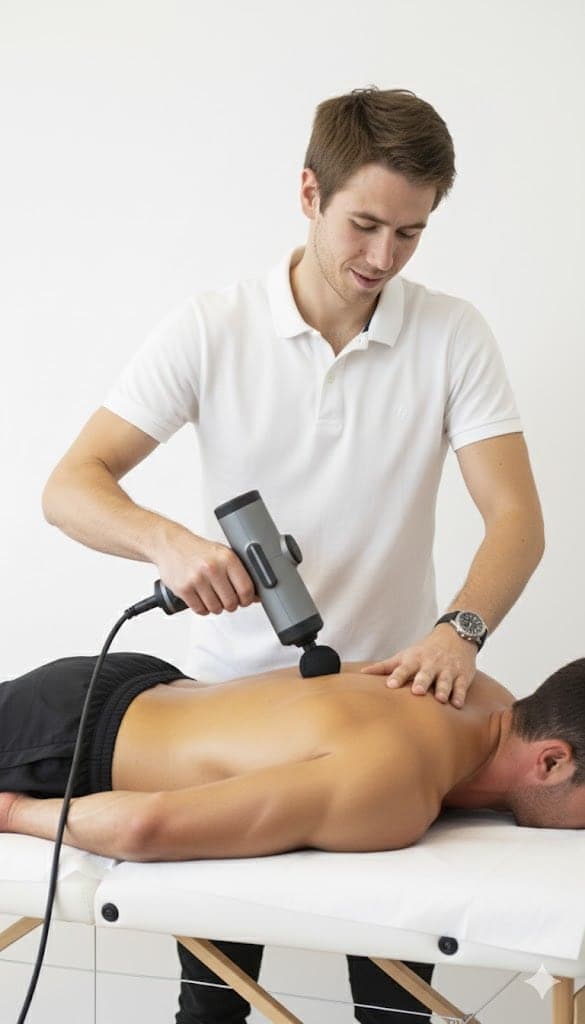
Written by
Chris
Massage therapist, nutrition and exercise physiologist
Norwegian-certified with a Bachelor’s in Physical Education and Nutrition and over ten years of clinical practice, working from a portable table in clients’ homes across the Paphos district.
This article is general information, not a medical diagnosis. If you have severe, worsening or unexplained pain, numbness, weakness, or pain after an accident, see a doctor first.