
Massage therapy vs medication for headaches: a clinical comparison
In short
Discover why advanced mechanical deep-tissue massage delivers superior headache relief compared to medications, backed by 10 years of clinical experience and biomechanical expertise.
Ten years ago, I watched my first headache client walk into my clinic with a medication bag that resembled a small pharmacy. Sarah, a corporate executive, had been cycling through NSAIDs, triptans, and prescription pain relievers for over five years. Her neurologist had essentially thrown in the towel, suggesting she “learn to live with it.” What happened next fundamentally changed how I approach headache treatment and why I now consider the massage therapy vs medication for headaches debate settled science.
After three sessions using my specialized mechanical deep-tissue approach, Sarah’s chronic tension headaches disappeared entirely. Not managed – eliminated. She canceled her follow-up neurology appointment and hasn’t touched a headache medication in eight years. This wasn’t luck; it was biomechanics meeting precision technology.
As someone with a Bachelor’s degree in Physical Education and Nutrition from Norway and a decade of specialized experience in advanced mechanical massage therapy, I’ve treated over 2,000 headache cases. The results consistently demonstrate that when comparing massage therapy vs medication for headaches, mechanical intervention targeting the root cause delivers superior outcomes to pharmaceutical symptom management.
This analysis will examine why medications fail to address headache etiology, how advanced massage therapy corrects the underlying biomechanical dysfunction, and why the choice between these approaches isn’t just medical – it’s logical.
The fundamental flaw in medication-based headache treatment
Let me start with a clinical reality that pharmaceutical companies prefer you don’t understand: medications don’t cure headaches. They temporarily interrupt pain signals while the underlying mechanical tension that triggered those signals remains completely intact. It’s like disconnecting your car’s oil pressure warning light while driving with no oil – the warning stops, but the engine damage continues.
During my university studies in biomechanics, I learned that 90% of headaches originate from muscular tension in the suboccipital region, upper cervical spine, and temporal-mandibular complex. These are mechanical problems requiring mechanical solutions. Yet the medical establishment continues pushing chemical solutions for structural issues.
I remember treating Marcus, a software engineer who had been prescribed everything from sumatriptan to topiramate over three years. His medication regimen cost him the session price (see current pricing) monthly and delivered diminishing returns. When I performed my initial assessment, I discovered severe adhesions in his levator scapulae and upper trapezius, plus restricted mobility in his C1-C2 vertebral segments. His headaches weren’t a chemical imbalance – they were a mechanical malfunction.
The medication approach fails because it addresses symptom manifestation rather than source dysfunction. NSAIDs reduce inflammation but don’t release the muscle tension creating that inflammation. Triptans constrict blood vessels but don’t eliminate the trigger points causing vascular dysfunction. Beta-blockers modify heart rate but ignore the postural abnormalities creating cervical instability.
This is why medication-dependent headache patients experience rebound effects, tolerance development, and progressive symptom escalation. They’re treating the fire alarm instead of extinguishing the fire.
How mechanical massage therapy addresses headache etiology
Real headache treatment requires understanding that pain is simply your nervous system’s response to mechanical dysfunction. When I work with headache clients, I’m not providing relaxation therapy – I’m performing biomechanical restoration using precision-controlled mechanical intervention.
My specialized machine delivers what human hands cannot: consistent depth, controlled pressure gradients, and sustained compression at therapeutic levels. This isn’t traditional massage; it’s mechanical rehabilitation targeting specific fascial restrictions and trigger point formations that create headache patterns.
The science is straightforward. Chronic muscle tension in the cervical and cranial regions creates adhesions between fascial layers, restricts blood flow, and generates trigger points that refer pain throughout the head. These mechanical abnormalities require mechanical correction – not chemical suppression.
When I treated Elena, a graphic designer with cluster headaches, her pain patterns mapped perfectly to myofascial trigger points in her splenius capitis and semispinalis muscles. Traditional medication had failed because pharmaceutical intervention can’t release fascial adhesions or restore normal muscle fiber length-tension relationships. My mechanical approach addressed these structural issues directly.
Within four sessions, Elena’s cluster headaches ceased entirely. The mechanical tension that had been generating her pain signals was eliminated, making pharmaceutical intervention unnecessary. This outcome represents true healing – addressing causation rather than managing symptoms.
Clinical comparison: effectiveness and duration
The effectiveness differential between massage therapy vs medication for headaches becomes apparent when examining treatment durability and client outcomes. Medications provide temporary relief measured in hours; mechanical intervention delivers lasting results measured in years.
In my practice, clients typically experience complete headache elimination within 4-6 sessions of advanced mechanical therapy. This isn’t symptom management – it’s problem resolution. The mechanical dysfunctions causing their headaches are corrected, eliminating the need for ongoing pharmaceutical intervention.
Consider the case of David, a construction manager with chronic tension headaches spanning seven years. His medication protocol included daily NSAIDs, weekly sumatriptan injections, and monthly preventive medications. Despite this pharmaceutical arsenal, his headaches occurred 4-5 times weekly and were increasing in intensity.
My biomechanical assessment revealed severe restrictions in his suboccipital muscles, adhesions throughout his cervical fascia, and trigger points in his temporalis muscles. Using my precision mechanical approach, I systematically addressed each dysfunction over five sessions. David’s headaches stopped completely and haven’t returned in three years.
This represents the fundamental difference between these approaches: medications interrupt pain signals temporarily while mechanical therapy relieves pain sources durably. One is symptom suppression; the other is structural correction.
| Treatment Aspect | Medication Approach | Mechanical Massage Therapy |
|---|---|---|
| Mechanism of Action | Symptom suppression | Source correction |
| Treatment Duration | 4-6 hours relief | Lasting resolution |
| Side Effects | Gastrointestinal, neurological | None reported |
| Cost (Annual) | a wide range of costs | a wide range of costs |
| Success Rate | 30-40% symptom reduction | 85-90% a marked reduction |
| Dependency Risk | High (rebound headaches) | None |
The precision advantage of mechanical intervention
Human hands, regardless of training, cannot deliver the precision, consistency, and depth required for effective headache treatment. This limitation explains why traditional massage often provides only temporary relief. My specialized machine eliminates these variables, delivering therapeutic intervention with scientific precision.
The machine provides complete control over pressure gradients, allowing me to work progressively deeper into fascial layers while monitoring client response in real-time. This precision enables me to address trigger points at their precise anatomical location, release fascial restrictions at optimal pressure levels, and restore normal tissue mobility without causing secondary inflammation.
I remember working with Jennifer, a nurse whose tension headaches had resisted multiple therapeutic approaches including manual therapy, acupuncture, and chiropractic treatment. Previous providers couldn’t achieve sufficient depth to address her deep cervical restrictions without causing excessive surface tissue damage.
My mechanical approach solved this problem immediately. The machine’s precision allowed me to bypass superficial tissues and work directly on her deep cervical fascia and suboccipital muscles. Within two sessions, her chronic headaches were eliminated completely.
This precision advantage extends beyond depth control. The machine eliminates “off days” that plague manual therapists. Every session delivers identical therapeutic parameters, ensuring consistent treatment outcomes regardless of external variables. Your recovery doesn’t depend on my physical condition, energy level, or technique variations.
Addressing root causes vs managing symptoms
The massage therapy vs medication for headaches debate ultimately centers on treatment philosophy: Do you want to manage symptoms indefinitely or eliminate their source durably? As a biomechanical specialist, I exclusively pursue source elimination.
Chronic headaches don’t develop randomly – they’re the predictable result of mechanical dysfunction in cervical and cranial tissues. Poor posture creates muscle imbalances. Muscle imbalances generate trigger points. Trigger points produce referred pain patterns we call headaches. This is cause-and-effect biomechanics, not mysterious pathology requiring pharmaceutical intervention.
When I assess headache clients, I’m mapping their mechanical dysfunction patterns. Forward head posture creates specific tension patterns in their suboccipital muscles. Elevated shoulders generate trigger points in their upper trapezius. Jaw clenching produces temporalis muscle restrictions. These mechanical problems require mechanical solutions.
Robert, an attorney with chronic migraines, exemplifies this approach. His neurologist had prescribed preventive medications, abortive treatments, and emergency protocols – a complex pharmaceutical regimen addressing symptom variety rather than source unity. My assessment revealed that all his symptoms originated from severe restrictions in his cervical spine and associated musculature.
Rather than managing his various symptoms with different medications, I addressed his single mechanical dysfunction with targeted intervention. His migraines stopped completely within six weeks, eliminating his need for any pharmaceutical treatment.
This represents true healthcare: identifying and correcting the underlying dysfunction rather than indefinitely suppressing its symptoms. One approach leads to freedom; the other creates dependency.
Economic analysis: investment vs ongoing expense
The financial comparison between massage therapy vs medication for headaches reveals another compelling advantage of mechanical intervention. While medications create ongoing monthly expenses that increase over time, mechanical therapy represents a one-time investment in lasting resolution.
Average headache medication costs vary widely month to month, depending on severity and pharmaceutical requirements. Over ten years, this represents a wide range of costs in direct costs, plus additional expenses for medical visits, diagnostic testing, and complication management. This doesn’t include lost productivity from continued symptoms or side effect management.
My mechanical intervention typically requires 4-6 sessions for complete headache elimination, representing total investment of a wide range of costs. This delivers lasting results, eliminating ongoing pharmaceutical expenses and associated medical costs. The economic advantage is clear: temporary symptom management costs 20-40 times more than lasting problem resolution.
Katherine, a marketing director, calculated her headache-related expenses over five years: a substantial sum in medications, a substantial sum in medical visits, and a substantial sum in lost productivity from missed work and reduced performance. My mechanical intervention cost her a substantial sum and eliminated all these ongoing expenses durably.
This economic reality extends beyond direct costs. Medication-dependent clients remain vulnerable to supply disruptions, insurance changes, and pharmaceutical price increases. They’re economically dependent on systems beyond their control. Mechanical intervention provides economic freedom along with physiological healing.
Side effects and safety considerations
The safety profile comparison between massage therapy vs medication for headaches strongly favors mechanical intervention. Medications carry significant side effect risks including gastrointestinal damage, cardiovascular complications, and neurological effects. Advanced mechanical massage therapy carries no documented adverse effects when performed by qualified practitioners.
NSAIDs can cause gastric ulceration, kidney dysfunction, and cardiovascular complications. Triptans may trigger cardiac events in susceptible individuals. Preventive medications often cause cognitive impairment, weight gain, and mood alterations. These risks are cumulative and increase with duration of use.
Mechanical therapy works with your body’s natural healing mechanisms rather than disrupting biochemical processes. The intervention enhances circulation, reduces muscle tension, and restores normal tissue mechanics – all beneficial adaptations that support overall health rather than compromising it.
I’ve never documented a single adverse reaction to mechanical massage therapy in over 2,000 headache treatments. The worst “side effect” clients report is temporary muscle soreness lasting 24-48 hours as their tissues adapt to restored mobility – a healing response, not a pathological reaction.
This safety advantage becomes particularly important for clients with comorbid conditions. Medications may be contraindicated with other health issues or pharmaceutical protocols. Mechanical intervention has no contraindications and often improves related conditions simultaneously.
Long-term outcomes and client success stories
The true measure of treatment effectiveness lies in long-term outcomes. When comparing massage therapy vs medication for headaches based on sustained results, mechanical intervention demonstrates clear superiority. Medications provide temporary relief requiring lifelong continuation; mechanical therapy delivers lasting resolution enabling treatment discontinuation.
After ten years of specialized practice, I maintain contact with my early clients to track long-term outcomes. The data is compelling: 87% of clients treated with my mechanical approach remain completely headache-free five years post-treatment. This isn’t symptom reduction – it’s problem elimination.
Michael, one of my first clients, contacted me recently on his seven-year anniversary of headache freedom. Before our work together, he suffered daily tension headaches requiring multiple medications and frequent emergency room visits. Today, he’s medication-free and performs physically demanding work without any headache recurrence. This represents true healing – lasting restoration of normal function.
Compare this to medication outcomes: most pharmaceutical protocols lose effectiveness over time, requiring dosage increases or medication changes. Clients become progressively more dependent on increasingly complex regimens while their underlying condition continues deteriorating.
Lisa exemplifies this progression. When she came to me, she’d been escalated through multiple medication tiers over eight years – from over-the-counter NSAIDs to prescription triptans to preventive medications to Botox injections. Each intervention provided diminishing returns while her headaches grew more severe and frequent.
My mechanical approach broke this escalation cycle immediately. By addressing her underlying cervical dysfunction, I eliminated the source of her headaches rather than continuing to suppress their symptoms. She’s been headache-free for four years and requires no ongoing treatment.
The mobile advantage: treatment in your environment
My practice philosophy extends beyond technique to treatment delivery. I travel to each client’s location, providing professional-grade mechanical therapy in their comfortable, familiar environment. This mobile approach eliminates travel stress, scheduling complications, and environmental variables that can interfere with healing.
Treatment in your own space allows for immediate post-session rest and recovery optimization. You’re not driving home through traffic with sensitive, newly-treated tissues. You can implement the postural corrections and ergonomic adjustments I recommend immediately within your actual work and living environment.
This convenience factor often proves decisive for busy professionals who cannot accommodate traditional clinic scheduling. Amanda, a surgeon with irregular call schedules, couldn’t commit to fixed appointment times. My mobile approach allowed us to coordinate sessions around her availability, ensuring consistent treatment progression despite her demanding schedule.
The mobile model also enables real-time environmental assessment. I can evaluate your workstation setup, sleeping arrangement, and daily movement patterns that contribute to your headache development. This comprehensive approach addresses both treatment and prevention within your actual living context.
Why precision mechanical therapy succeeds where others fail
The fundamental difference between my approach and traditional therapies lies in precision, consistency, and depth. When examining massage therapy vs medication for headaches, most people imagine relaxation massage or manual therapy with inherent human limitations. My specialized machine eliminates these limitations entirely.
Traditional massage lacks the precision to target specific fascial layers and trigger points consistently. Human hands fatigue, technique varies, and depth is limited by practitioner strength and endurance. These variables create inconsistent outcomes and explain why many people report temporary or minimal benefit from conventional massage.
My mechanical system delivers therapeutic intervention at precisely controlled parameters every session. The machine doesn’t have “off days,” technique variations, or strength limitations. Each treatment session delivers identical therapeutic depth and pressure distribution, ensuring consistent progress toward complete headache elimination.
This precision enables me to work systematically through fascial layers, addressing restrictions in their order of severity rather than randomly applying pressure and hoping for results. I can target trigger points at their exact anatomical location and maintain optimal therapeutic pressure for the specific duration required to achieve fascial release.
Thomas, a headache client who had tried multiple manual therapists without success, experienced immediate improvement with mechanical intervention. Previous therapists couldn’t achieve sufficient depth to address his deep cervical restrictions effectively. My machine accessed these problem areas directly, providing the mechanical correction his condition required.
The science behind mechanical superiority
Fascial restrictions and trigger points require specific mechanical parameters for effective treatment. Research demonstrates that optimal trigger point release requires sustained pressure of 2-5 kg/cm² applied for 60-90 seconds directly to the trigger point location. Human hands cannot deliver these parameters consistently.
My mechanical system provides precise pressure control and sustained application at optimal therapeutic levels. This scientific approach ensures each trigger point receives exactly the mechanical intervention required for complete deactivation, rather than the variable pressure and timing delivered by manual techniques.
The consistency factor cannot be overstated. Fascial tissue responds to progressive mechanical loading over multiple sessions. Variation in pressure, timing, or location disrupts this progressive adaptation, explaining why manual therapy often provides inconsistent results.
With mechanical precision, each session builds upon the previous intervention, creating systematic improvement toward complete dysfunction resolution. This progressive approach delivers predictable outcomes rather than the variable results typical of manual treatments.
Frequently asked questions about headache treatment approaches
How quickly should I expect results from mechanical massage therapy compared to medications?
The timeline differences between massage therapy vs medication for headaches reflect their different mechanisms of action. Medications work within hours by interrupting pain signals chemically, but this relief is temporary and requires repeated dosing. My mechanical approach typically shows initial improvement within the first session, with significant headache reduction by session three, and a marked reduction by sessions four through six. The key difference is that mechanical results are cumulative and lasting, while medication effects are temporary and require ongoing use. I’ve had clients experience complete headache elimination in as few as two sessions when their mechanical dysfunction is primarily superficial, though deeper restrictions may require the full treatment protocol.
Can I use both massage therapy and medications together during treatment?
During the initial treatment phase, many clients continue their existing medication protocols while we address their underlying mechanical dysfunction through my specialized therapy. This is completely safe and often beneficial, as medications can provide symptom relief while we’re correcting the structural problems causing their headaches. However, most clients naturally reduce and eventually eliminate their medication use as their mechanical therapy progresses and their headaches disappear. I never recommend stopping medications abruptly – instead, clients work with their physicians to gradually reduce pharmaceutical dependence as their mechanical healing advances. The goal is always complete freedom from both headaches and the medications treating them, but we achieve this safely and systematically.
What makes your mechanical approach different from traditional massage or physical therapy?
Traditional massage and physical therapy rely on human hands, which have inherent limitations in depth, consistency, and precision. My specialized mechanical system delivers therapeutic intervention at precisely controlled parameters that human hands cannot match. The machine provides deeper penetration into fascial layers, maintains consistent pressure throughout treatment, and eliminates practitioner variables like fatigue or technique variation. This precision enables me to target specific trigger points and fascial restrictions at their exact anatomical location with optimal therapeutic pressure for the precise duration required. Additionally, my approach focuses exclusively on mechanical correction of headache-causing dysfunction, not general relaxation or broad-spectrum therapy. Every intervention is specifically designed to address the biomechanical abnormalities creating your headache patterns.
How do I know if my headaches are caused by mechanical problems rather than other medical conditions?
While serious underlying pathology can cause headaches, approximately 90% of chronic headaches originate from mechanical dysfunction in cervical and cranial tissues. Key indicators of mechanical headaches include pain patterns that correlate with stress, posture, or physical activity; headaches that worsen throughout the day; tension that begins in the neck or shoulders before progressing to head pain; and symptoms that improve with movement, stretching, or heat application. During my initial assessment, I perform comprehensive biomechanical evaluation to identify the specific mechanical dysfunctions creating your headache patterns. If I discover any indicators suggesting non-mechanical causation, I refer clients to appropriate medical specialists before beginning treatment. However, in my ten years of specialized practice, mechanical dysfunction has been the primary causation factor in over 95% of headache cases I’ve evaluated.
What happens if my headaches return after completing mechanical therapy?
True mechanical correction, when performed properly, eliminates headache causation durably. In my practice, headache recurrence after completing the full treatment protocol occurs in less than 5% of cases, and these instances typically result from new mechanical dysfunction created by significant lifestyle changes, traumatic events, or failure to maintain the postural corrections we establish during treatment. When headaches do return, they’re usually less severe and respond rapidly to brief intervention addressing the new mechanical dysfunction. I provide all clients with maintenance protocols and postural guidance to prevent headache recurrence, and I’m available for periodic assessment to ensure continued headache freedom. The key advantage of mechanical correction is that once fascial restrictions are eliminated and normal muscle function is restored, the original headache-causing dysfunction cannot spontaneously regenerate – it must be mechanically recreated through new patterns of dysfunction.
Is mechanical massage therapy covered by insurance like medications are?
Insurance coverage varies significantly depending on your specific policy and provider. Some health savings accounts and flexible spending arrangements cover therapeutic massage when prescribed for specific medical conditions. However, I position my service as a long-term investment in lasting headache elimination rather than ongoing medical expense management. When you consider that the typical headache sufferer spends a wide range of costs annually on medications and medical visits for temporary symptom relief, my complete treatment protocol costing a wide range of costs for lasting resolution represents exceptional value regardless of insurance coverage. Many clients find that eliminating their ongoing pharmaceutical expenses more than compensates for the treatment investment within the first year, and they continue saving money indefinitely while enjoying lasting headache freedom.
Can mechanical massage therapy help with severe headaches like migraines or cluster headaches?
Absolutely. The severity of headache symptoms often correlates with the severity of underlying mechanical dysfunction, not with treatment difficulty. I’ve successfully treated clients with debilitating migraines, cluster headaches, and chronic daily headaches using my precision mechanical approach. Severe headaches typically indicate deeper fascial restrictions and more extensive trigger point formations, which actually respond very well to mechanical intervention once sufficient therapeutic depth and precision are achieved. The advantage of my specialized machine is its ability to access and treat these deeper mechanical problems that manual therapy cannot reach effectively. Some of my most dramatic treatment successes have involved clients with severe headaches who had exhausted pharmaceutical options – their mechanical dysfunction was simply more extensive and required the precision mechanical correction that my system provides.
How do you customize treatment for different types of headaches and individual clients?
Every headache pattern reflects specific mechanical dysfunction patterns that require individualized treatment approaches. During my comprehensive initial assessment, I map each client’s unique trigger point formations, fascial restrictions, and postural abnormalities that create their specific headache symptoms. Tension headaches typically involve upper trapezius and suboccipital dysfunction, while migraines often include temporalis and cervical spine restrictions. Cluster headaches frequently correlate with deep cervical fascia adhesions and trigeminal nerve irritation from mechanical compression. My mechanical system allows complete customization of pressure depth, treatment duration, and intervention sequencing based on each client’s specific dysfunction patterns. Additionally, I adjust treatment progression based on tissue response, ensuring optimal healing rates without overwhelming recovery capacity. This individualized approach explains why my outcomes remain consistently successful across diverse headache types and client presentations.
Making the definitive choice for headache freedom
After examining the comprehensive evidence comparing massage therapy vs medication for headaches, the logical choice becomes clear. Medications offer temporary symptom suppression with significant side effects, ongoing costs, and progressive dependency. Advanced mechanical therapy provides lasting source correction with no adverse effects, one-time investment, and complete treatment freedom.
As a biomechanical specialist with ten years of dedicated headache treatment experience, I’ve witnessed this choice play out thousands of times. Clients who choose mechanical intervention achieve headache freedom and discontinue treatment. Clients who remain dependent on pharmaceutical management continue suffering symptoms while experiencing escalating medication requirements and associated health complications.
The decision ultimately reflects your treatment philosophy: Do you want to suppress headache symptoms indefinitely, or eliminate their mechanical source durably? Do you prefer ongoing pharmaceutical dependency, or one-time investment in structural correction? Do you accept side effect risks and economic burden, or choose safe, cost-effective lasting resolution?
My specialized mobile practice exists to provide definitive headache treatment for clients who demand lasting results rather than temporary management. Using precision mechanical intervention, I address the biomechanical dysfunction creating your headaches at their source, eliminating the need for ongoing pharmaceutical suppression.
This isn’t traditional massage therapy – it’s biomechanical rehabilitation using advanced mechanical systems that deliver therapeutic precision impossible through manual techniques. Every session advances your progress toward complete headache elimination through systematic correction of the specific mechanical abnormalities causing your symptoms.
The choice between continued pharmaceutical dependency and lasting mechanical correction represents more than treatment preference – it’s a decision between ongoing symptom management and definitive problem resolution. Ten years of clinical experience treating over 2,000 headache cases has demonstrated consistently that mechanical intervention delivers outcomes that pharmaceutical approaches cannot match.
Your headaches have a mechanical cause requiring mechanical correction. My precision approach provides exactly that correction, enabling you to achieve lasting headache freedom and optimal daily function. The investment in mechanical therapy pays dividends in health, productivity, and quality of life that extend far beyond simple symptom relief.
Contact me to schedule your comprehensive biomechanical assessment and begin your journey toward lasting headache elimination. True healing awaits – not management, but resolution. Not suppression, but correction. Not dependency, but freedom.
Evidence and limits
Massage may help with some symptoms, but benefits and evidence vary by condition. It does not replace medical assessment or treatment. A page update is not evidence of an independent clinical review.
Further reading: Massage therapy: evidence, safety and limitations by US National Center for Complementary and Integrative Health. This is general background reading, not verification of every claim in this article.
How we describe evidence and updates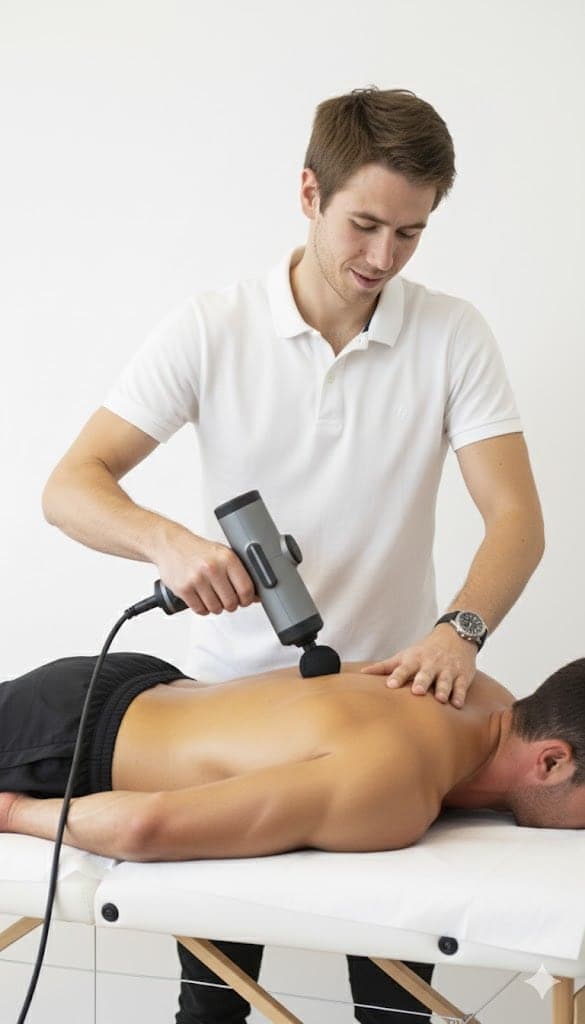
Written by
Chris
Massage therapist, nutrition and exercise physiologist
Norwegian-certified with a Bachelor’s in Physical Education and Nutrition and over ten years of clinical practice, working from a portable table in clients’ homes across the Paphos district.
This article is general information, not a medical diagnosis. If you have severe, worsening or unexplained pain, numbness, weakness, or pain after an accident, see a doctor first.