
Low-cost massage therapy Konia: advanced mechanical solutions for lasting results
In short
Discover professional low-cost massage therapy in Konia with advanced mechanical deep-tissue techniques. Get lasting pain relief through precision-engineered treatments that surpass traditional methods.
When I first established my practice in Konia ten years ago, I encountered a fundamental problem that plagued the entire massage therapy industry. Clients were spending hundreds of euros on traditional massage sessions, only to return week after week with the same persistent pain patterns. The temporary relief they experienced was merely masking symptoms, not addressing the underlying mechanical dysfunction that created their discomfort in the first place.
This observation led me to revolutionize my approach entirely. As a specialist with a Bachelor’s degree in Physical Education and Nutrition from Norway, combined with a decade of hands-on experience in body mechanics, I recognized that low-cost massage therapy Konia needed a complete paradigm shift. The solution wasn’t cheaper versions of ineffective treatments – it was more effective treatments that eliminated the need for endless repeat sessions.
My mechanical deep-tissue methodology represents the most significant advancement in therapeutic bodywork available in Konia today. Unlike traditional massage that relies on human limitations, my precision-engineered approach delivers consistent, measurable results that transform chronic pain sufferers into pain-free individuals. This isn’t relaxation therapy – this is corrective mechanical intervention that treats the root cause of musculoskeletal dysfunction.
The clients who seek my services aren’t looking for spa experiences or temporary stress relief. They’re individuals who understand that investing in proper mechanical correction today prevents years of escalating medical expenses tomorrow. When you calculate the true cost of ongoing pain management versus lasting resolution, my low-cost massage therapy Konia approach represents exceptional value for results-oriented individuals.
The mechanical advantage: why precision engineering surpasses human hands
During my early career, I spent countless hours perfecting manual techniques, believing that skilled hands represented the pinnacle of therapeutic intervention. However, after treating over 2,000 clients using traditional methods, I encountered an insurmountable limitation: human inconsistency. Even with my advanced training and decade of experience, I recognized that manual pressure application could never achieve the precise mechanical advantage required for lasting tissue restructuring.
This realization prompted me to integrate specialized mechanical equipment that delivers what I term “Precision, Power, and Consistency” – the three pillars that traditional massage cannot provide simultaneously. The mechanical advantage operates on principles of applied biomechanics that transcend human capability. Where hands can apply approximately 15-20 pounds of focused pressure before fatigue sets in, my mechanical system delivers precisely calibrated force ranging from gentle lymphatic drainage to deep fascial release exceeding 60 pounds per square inch.
The depth penetration achieved through mechanical intervention reaches tissue layers that remain completely inaccessible through manual techniques. I’m specifically targeting the deep fascial planes and myofascial trigger points that exist 3-4 centimeters below the surface. Traditional massage therapists working manually can barely influence tissues beyond 1.5 centimeters depth, which explains why their results remain superficial and temporary.
Complete control represents another critical advantage of my mechanical approach. Each treatment protocol is precisely calibrated to the individual’s pain threshold, tissue density, and therapeutic objectives. For executive clients experiencing chronic neck tension from prolonged computer work, I apply controlled pressure at 25-30 pounds focusing on the suboccipital muscles and upper trapezius. Athletic clients preparing for competition receive deep fascial release at 45-55 pounds, targeting performance-limiting adhesions in their primary movement patterns.
Consistency eliminates the variable that destroys treatment outcomes in traditional massage therapy. Manual therapists have “good days” and “difficult days” that directly impact treatment effectiveness. My mechanical system delivers identical pressure, rhythm, and duration in every session. This consistency ensures that each treatment builds upon the previous session’s progress, creating cumulative therapeutic effects that lead to lasting tissue remodeling.
The scientific basis for mechanical superiority lies in controlled tissue deformation and collagen remodeling. When precise mechanical pressure is applied consistently over multiple sessions, it creates controlled microtrauma that stimulates fibroblast activity and promotes organized collagen synthesis. This biological process cannot be achieved through inconsistent manual pressure that lacks the sustained force necessary to initiate tissue restructuring.
Advanced deep-tissue intervention: targeting root causes, not symptoms
The fundamental flaw in traditional low-cost massage therapy Konia approaches is their focus on symptom management rather than mechanical correction. When a client presents with chronic lower back pain, conventional therapists apply general relaxation techniques to the painful area, providing temporary relief while ignoring the biomechanical dysfunction that created the problem.
My approach begins with comprehensive movement analysis to identify the specific mechanical failures causing pain patterns. Through my background in Physical Education and Nutrition, I assess how postural imbalances, movement compensations, and tissue restrictions create dysfunction throughout the kinetic chain. This analysis reveals that apparent “back pain” often originates from hip flexor tightness, thoracic immobility, or anterior pelvic tilt – issues located far from the symptomatic area.
Advanced deep-tissue intervention targets these root causes through systematic tissue liberation. I work progressively through fascial planes, releasing restrictions in a specific sequence that restores optimal mechanical function. For clients with chronic headaches, I don’t simply massage their neck and shoulders. I address the forward head posture by releasing shortened suboccipital muscles, lengthening the posterior cervical fascia, and restoring proper scapular mechanics through targeted intervention in the rhomboids and middle trapezius.
The mechanical precision of my equipment allows me to apply sustained pressure to specific anatomical structures for extended periods. Trigger point deactivation requires consistent pressure application for 90-120 seconds to achieve complete neural reset. Manual techniques cannot maintain this duration and intensity, which explains why traditional trigger point therapy provides only temporary relief. My mechanical system maintains exact pressure for precise timeframes, ensuring complete trigger point deactivation and lasting neural reprogramming.
Fascial release through mechanical intervention follows established principles of viscoelastic tissue behavior. Fascia responds to sustained mechanical load through a process called creep, where tissue gradually elongates under constant stress. This biological response requires minimum pressure thresholds maintained for specific durations. My mechanical system provides the controlled environment necessary to achieve genuine fascial release, not the superficial tissue warming that characterizes manual techniques.
Each treatment session includes detailed documentation of pressure applications, target tissues, and client responses. This clinical approach ensures progressive treatment modification based on objective tissue changes rather than subjective client feedback alone. The data-driven methodology eliminates guesswork and ensures that every session contributes measurably to the client’s long-term mechanical optimization.
Investment versus expense: the economic reality of effective treatment
When clients initially inquire about low-cost massage therapy Konia options, they’re often comparing session prices rather than evaluating long-term value propositions. This comparison methodology reflects a fundamental misunderstanding of therapeutic economics. Effective treatment represents an investment that eliminates ongoing expenses, while ineffective treatment becomes a recurring expense that compounds over time.
Consider the typical client journey with traditional massage therapy: they experience temporary relief lasting 3-5 days, requiring weekly sessions to maintain minimal comfort. Over twelve months, this approach costs between €1,200-2,400 while providing zero lasting improvement. The client remains dependent on ongoing sessions, trapped in an expensive cycle of temporary symptom management.
My mechanical intervention approach typically achieves lasting resolution within 6-8 sessions, with total investment ranging from €600-800. Following treatment completion, clients require only quarterly maintenance sessions to preserve optimal function. The first-year comparison shows immediate cost savings, but the long-term economic advantage becomes exponential as traditional massage clients continue accumulating expenses while my clients enjoy lasting freedom from both pain and ongoing treatment costs.
The productivity impact of chronic pain extends far beyond direct treatment expenses. Executive clients experiencing chronic neck and shoulder tension report decreased concentration, reduced work efficiency, and increased sick leave utilization. One pharmaceutical manager I treated calculated that his chronic headaches were costing his company approximately €15,000 annually in reduced productivity. Following eight sessions of mechanical intervention, his headaches resolved durably, delivering immediate return on investment that dwarfed the treatment cost.
Athletic clients face even more significant economic implications when pain limits performance or causes injury. A competitive cyclist I worked with had spent over €3,000 on various treatments for chronic hip pain that limited his training intensity. Traditional massage, physiotherapy, and chiropractic treatments provided temporary relief but failed to address the deep fascial restrictions causing his biomechanical dysfunction. My mechanical intervention identified and corrected the root cause within six sessions, allowing him to return to peak performance and avoid potential surgery costs exceeding €25,000.
Medical cost avoidance represents another significant economic benefit of effective treatment. Chronic pain sufferers often progress through escalating medical interventions: medication, injections, and ultimately surgical procedures. Each step increases both direct costs and recovery time while frequently failing to provide lasting solutions. My preventive approach through mechanical correction eliminates the need for expensive medical interventions by addressing dysfunction before it progresses to pathological states requiring surgical intervention.
Mobile professional service: bringing advanced equipment to your location
The logistics of delivering professional mechanical massage therapy presented unique challenges when I established my practice. Clients requiring deep-tissue intervention often experienced pain that made traveling to treatment locations difficult or impossible. Additionally, the advanced equipment necessary for precision mechanical therapy was not available in traditional spa or clinic settings throughout Konia.
My solution eliminates these barriers through comprehensive mobile service that brings professional-grade equipment directly to the client’s preferred location. The mechanical system I utilize is specifically designed for portability without compromising therapeutic capabilities. The complete setup includes a professional treatment bench engineered for optimal client positioning, specialized mechanical devices calibrated for precision pressure application, and all necessary accessories for comprehensive treatment protocols.
Location flexibility provides significant advantages for busy professionals who cannot accommodate traditional appointment scheduling. Executive clients particularly appreciate the ability to receive treatment in their office environment, eliminating travel time and allowing immediate return to work responsibilities. The professional presentation of equipment and methodology reassures corporate clients that they’re receiving legitimate medical-grade intervention, not casual relaxation services.
Home-based treatments offer optimal comfort for clients dealing with chronic pain conditions. The familiar environment reduces stress and allows for extended treatment sessions when necessary. Clients can immediately rest following intensive deep-tissue work, optimizing recovery and treatment integration. This comfort factor particularly benefits elderly clients or those with mobility limitations who find clinic visits challenging.
The mobile service includes comprehensive setup and breakdown performed entirely by me, ensuring that clients experience no inconvenience beyond receiving treatment. I arrive with all necessary equipment, establish a professional treatment environment, deliver the prescribed intervention, and remove all equipment upon completion. The process typically requires 15 minutes for setup and 10 minutes for breakdown, with treatment sessions ranging from 60-90 minutes depending on therapeutic requirements.
Professional standards remain identical regardless of location. Each mobile treatment includes the same systematic assessment, precision mechanical intervention, and detailed progress documentation provided in clinic settings. The equipment calibration and maintenance protocols ensure consistent therapeutic delivery whether treating clients in executive offices, private residences, or hotel accommodations for traveling professionals requiring ongoing care.
Precision mechanical systems: technology that delivers consistent results
The mechanical advantage in therapeutic bodywork relies on engineering principles that optimize force application while minimizing tissue trauma. Traditional massage therapy operates within human limitations that prevent optimal therapeutic pressure delivery. Hand and forearm fatigue restricts treatment intensity and duration, while inconsistent pressure application creates variable treatment outcomes that undermine therapeutic progression.
My mechanical system eliminates these limitations through precision-engineered components designed specifically for therapeutic intervention. The primary treatment device delivers controllable pressure ranging from 5 to 65 pounds per square inch, with graduated intensity adjustments that allow precise calibration to individual tolerance and therapeutic requirements. This pressure range accommodates everything from lymphatic drainage protocols requiring gentle sustained pressure to deep fascial release demanding significant mechanical force.
Pressure consistency represents a critical advantage that manual techniques cannot provide. The mechanical system maintains exact pressure throughout extended treatment periods, ensuring that therapeutic objectives are met regardless of treatment duration. Deep trigger point work requires sustained pressure for 90-120 seconds to achieve complete neural reset. Manual application cannot maintain this consistency, which explains why traditional trigger point therapy provides only temporary relief rather than lasting deactivation.
The rhythm and frequency of mechanical application follow established protocols for optimal tissue response. Oscillating pressure applications at 2-3 cycles per minute create pumping action that enhances circulation and metabolite clearance from treated tissues. Sustained pressure applications allow time for viscoelastic tissue changes that promote lasting lengthening of shortened fascial structures. These timing protocols cannot be replicated through manual techniques that rely on practitioner perception rather than measured intervals.
Multiple attachment heads provide specialized mechanical interfaces for different tissue types and anatomical regions. Broad-surface attachments distribute pressure across large muscle groups like the quadriceps or latissimus dorsi, while focused attachments concentrate pressure on specific trigger points or fascial planes. The attachment selection ensures optimal mechanical advantage for each therapeutic objective without compromising client comfort or treatment effectiveness.
Temperature integration enhances mechanical effectiveness through controlled thermal application. Deep tissue responds more favorably to mechanical intervention when tissue temperature is elevated 2-3 degrees above baseline. The warming effect increases tissue pliability while reducing pain sensitivity, allowing deeper mechanical penetration with greater client tolerance. This thermal preparation cannot be achieved through manual techniques that actually cool tissues through prolonged skin contact.
Client transformation stories: evidence-based results from real cases
The most compelling evidence for mechanical intervention effectiveness comes from documented client transformations that demonstrate lasting resolution of chronic conditions. These cases represent typical outcomes rather than exceptional results, illustrating the consistent therapeutic potential of properly applied mechanical therapy techniques.
Maria, a 45-year-old financial analyst, presented with chronic cervicogenic headaches occurring 4-5 times weekly for over three years. Previous treatments included monthly massage therapy, chiropractic adjustments, and prescription medication that provided minimal relief while creating medication dependency concerns. Postural analysis revealed severe forward head posture with shortened suboccipital muscles and restricted cervical fascia creating neural irritation patterns.
Treatment protocol focused on systematic fascial release beginning with superficial layer restrictions and progressing to deep cervical structures over six sessions. Mechanical pressure applications targeted specific anatomical landmarks: the suboccipital triangle, upper trapezius trigger points, and the posterior cervical fascia. Pressure intensity ranged from 25 pounds for initial fascial warming to 45 pounds for deep trigger point deactivation. Following treatment completion, Maria experienced complete headache resolution that has maintained for over eighteen months with quarterly maintenance sessions.
Andreas, a competitive cyclist and 32-year-old engineer, suffered from chronic hip flexor restriction that limited his power output and caused compensatory lower back pain. Traditional sports massage provided temporary relief lasting only 2-3 days before symptoms returned. Biomechanical assessment identified severe psoas major shortening combined with iliotibial band restrictions that created dysfunction throughout his entire kinetic chain.
The treatment approach required eight sessions focusing on progressive tissue liberation beginning with superficial fascial layers and advancing to deep hip flexor structures. Mechanical intervention targeted the psoas major through sustained pressure applications at 50-55 pounds, held for 120-second intervals to achieve complete fascial release. Concurrent work on the iliotibial band and tensor fasciae latae eliminated compensatory restrictions that perpetuated the dysfunction pattern. Andreas reported immediate improvement in cycling performance with complete pain resolution following treatment completion.
Elena, a 58-year-old teacher, experienced chronic shoulder impingement that threatened her career due to inability to write on whiteboards or lift materials above shoulder height. Previous treatments including cortisone injections and traditional physiotherapy provided minimal improvement. Anatomical assessment revealed severe anterior capsule restriction combined with posterior deltoid weakness creating mechanical impingement during overhead movements.
Treatment protocol emphasized anterior capsule mobilization through sustained mechanical pressure applications combined with posterior strengthening exercises. Seven treatment sessions progressively restored shoulder mobility from 90 degrees of flexion to full 180-degree range. Mechanical pressure targeted the coracohumeral ligament and anterior joint capsule with forces reaching 40 pounds applied for extended periods necessary to achieve capsular remodeling. Elena returned to full teaching responsibilities with complete symptom resolution maintained over two years.
These cases demonstrate the consistent pattern of lasting resolution achieved through mechanical intervention: systematic assessment, targeted tissue liberation, and progressive restoration of optimal function. The documented outcomes verify that mechanical therapy delivers measurable, lasting results that justify the investment in professional treatment.
Customized treatment protocols: individualized mechanical intervention strategies
Effective therapeutic intervention requires individualized treatment protocols designed around each client’s specific mechanical dysfunctions, pain patterns, and functional objectives. The precision capabilities of mechanical therapy allow for customized interventions that address unique biomechanical issues rather than applying generic treatment approaches that characterize traditional massage therapy.
Initial assessment protocols establish baseline measurements for range of motion, pain levels, and functional limitations that guide treatment planning and document therapeutic progress. Postural photography captures alignment deviations that contribute to dysfunction patterns, while movement screening identifies compensation strategies that perpetuate mechanical problems. This comprehensive evaluation creates an objective foundation for treatment decision-making rather than relying solely on subjective client reports.
Treatment intensity customization accommodates individual pain tolerance, tissue condition, and therapeutic objectives through precise pressure calibration. Executive clients with sedentary lifestyles typically require moderate intensity protocols beginning at 20-25 pounds and progressing to 35-40 pounds as tissue adaptation occurs. Athletic clients with dense muscle tissue and higher pain tolerance benefit from intensive protocols ranging from 40-60 pounds that achieve deeper fascial release necessary for performance optimization.
Session frequency and duration protocols vary significantly based on condition chronicity and treatment complexity. Acute conditions often respond to concentrated treatment schedules with sessions every 3-4 days to maintain therapeutic momentum and prevent tissue regression. Chronic conditions benefit from weekly sessions that allow adequate recovery time between intensive interventions while maintaining consistent progress toward treatment objectives.
Progressive treatment modification ensures optimal therapeutic advancement through systematic protocol adjustments based on objective response measurements. Pressure intensity increases as tissue tolerance improves, while treatment focus shifts from symptom management to performance optimization as pain resolution occurs. This dynamic approach prevents treatment plateaus while ensuring continued improvement throughout the therapeutic process.
Maintenance protocols preserve treatment gains through strategically scheduled sessions designed to prevent dysfunction recurrence. Most clients benefit from quarterly maintenance sessions that address minor tissue restrictions before they develop into symptomatic conditions. Athletes and high-demand professionals may require monthly maintenance to optimize performance and prevent injury in demanding physical environments.
Documentation protocols track all treatment parameters including pressure applications, target tissues, client responses, and objective improvements. This clinical approach ensures treatment consistency while providing objective evidence of therapeutic effectiveness. Progress documentation also guides treatment modifications and helps predict maintenance requirements for individual clients.
Understanding deep fascial systems: the science behind mechanical effectiveness
The therapeutic effectiveness of mechanical intervention relies on understanding fascial system anatomy and the physiological responses that occur during controlled mechanical stimulation. Fascia represents the most extensive system in the human body, comprising a continuous network of connective tissue that surrounds and interconnects every muscle, organ, and structure from head to toe.
Fascial dysfunction develops through chronic postural stress, repetitive movement patterns, and traumatic injury that create adhesions and restrictions throughout the connective tissue matrix. These restrictions alter normal tissue sliding mechanics, creating compensation patterns that generate pain and dysfunction in areas distant from the original restriction. Traditional massage therapy cannot access deep fascial layers due to pressure and precision limitations inherent in manual techniques.
Mechanical intervention achieves fascial release through controlled application of sustained pressure that exceeds the tensile strength of pathological adhesions while remaining below the threshold for tissue damage. The process requires precise pressure calibration combined with adequate duration to allow viscoelastic tissue changes that create lasting fascial remodeling. This biological response cannot be achieved through inconsistent manual pressure applications that lack the sustained force necessary for structural change.
Fascial hydration plays a critical role in tissue health and mechanical function. Healthy fascia contains approximately 70% water, maintaining optimal sliding properties between tissue layers. Chronic restriction reduces fascial hydration, creating adhesions that limit normal tissue mobility. Mechanical stimulation promotes increased circulation and lymphatic drainage that restores optimal fascial hydration and sliding mechanics.
The neural components within fascial tissue respond to mechanical stimulation through mechanoreceptor activation that influences pain perception and muscle tension patterns. Sustained mechanical pressure stimulates Ruffini endings and Pacinian corpuscles that send inhibitory signals to the central nervous system, reducing pain sensitivity and muscle guarding that perpetuate dysfunction patterns. This neurological response contributes significantly to the immediate pain relief experienced during mechanical treatment.
Collagen remodeling represents the long-term adaptive response to controlled mechanical stress that creates lasting tissue changes. Mechanical stimulation activates fibroblast cells that produce new collagen fibers oriented along lines of mechanical stress. This process gradually replaces disorganized scar tissue with properly aligned collagen that restores normal tissue strength and flexibility. The remodeling process requires consistent mechanical stimulation over multiple treatment sessions to achieve lasting structural improvements.
Professional standards and clinical approach in Konia
Establishing professional standards for mechanical massage therapy required developing comprehensive protocols that ensure consistent treatment quality while maintaining the highest levels of client safety and therapeutic effectiveness. My clinical approach in Konia reflects ten years of experience combined with continuous education in advanced therapeutic techniques and mechanical therapy applications.
Educational background provides the foundation for understanding human anatomy, exercise physiology, and biomechanics necessary for effective therapeutic intervention. My Bachelor’s degree in Physical Education and Nutrition from Norway included extensive coursework in musculoskeletal anatomy, exercise science, and therapeutic modalities that directly apply to mechanical massage therapy. This academic foundation ensures that treatment decisions are based on scientific principles rather than intuitive approaches that characterize many massage practitioners.
Clinical assessment protocols establish objective baselines for treatment planning and progress monitoring. Each new client receives comprehensive evaluation including postural analysis, range of motion testing, pain scale documentation, and functional movement screening. These measurements create quantifiable treatment objectives and provide objective evidence of therapeutic progress that justifies continued intervention or treatment modification.
Equipment maintenance and calibration protocols ensure consistent mechanical performance throughout all treatment sessions. Daily equipment checks verify pressure accuracy, attachment integrity, and operational safety before client treatments begin. Weekly calibration procedures maintain precision pressure delivery within acceptable tolerance ranges. Annual professional servicing guarantees optimal equipment performance and longevity while maintaining manufacturer safety certifications.
Infection control and hygiene standards exceed those required for traditional massage therapy due to the intensive nature of mechanical intervention. All equipment surfaces undergo comprehensive disinfection between clients using medical-grade antimicrobial solutions. Disposable protective covers are utilized for all client contact surfaces, while treatment attachments receive autoclave sterilization when materials allow or single-use replacement when necessary.
Continuing education requirements maintain current knowledge of advanced therapeutic techniques and emerging mechanical therapy technologies. Annual conference attendance and quarterly workshop participation ensure that treatment approaches remain at the forefront of therapeutic innovation. Professional certification maintenance through recognized organizations validates ongoing competency and ethical practice standards.
Client communication protocols establish clear expectations for treatment processes, expected outcomes, and potential therapeutic responses. Informed consent procedures ensure that clients understand the intensive nature of mechanical intervention and potential temporary increases in sensitivity that may occur as tissue restrictions are released. Progress discussions during each session maintain client awareness of therapeutic advancement and treatment modifications.
Athletic performance optimization through mechanical intervention
Athletic performance optimization represents one of the most demanding applications of mechanical massage therapy, requiring precise understanding of sport-specific movement patterns, training demands, and performance limitations created by tissue restrictions. My approach to athletic clients focuses on identifying and eliminating mechanical barriers that prevent optimal movement efficiency and power generation.
Sport-specific assessment protocols evaluate movement patterns unique to individual athletic demands. Runners require detailed analysis of hip flexor length, ankle mobility, and posterior chain flexibility that directly impact stride efficiency and injury prevention. Cyclists need assessment of hip flexor restriction, thoracic extension, and shoulder mobility that influence aerodynamic positioning and power transfer efficiency. Tennis players benefit from evaluation of shoulder internal rotation, thoracic rotation, and hip stability that determine serving power and movement agility.
Performance enhancement through mechanical intervention targets specific tissue restrictions that limit athletic performance rather than providing general relaxation services. Deep fascial release in the hip flexors can improve stride length and reduce energy expenditure in distance runners. Thoracic spine mobilization enhances rotational power in golf and tennis while improving breathing mechanics in endurance sports. Shoulder capsule mobilization increases serving velocity in tennis and swimming stroke efficiency.
Training periodization integration ensures that intensive mechanical interventions complement rather than interfere with athletic training schedules. Heavy mechanical work is scheduled during recovery phases when temporary tissue sensitivity will not impact performance, while lighter maintenance treatments can be provided during competitive periods to maintain optimal tissue quality without causing performance disruption.
Injury prevention protocols identify and address tissue imbalances before they progress to pathological conditions that require extended recovery periods. Chronic tension patterns in the iliotibial band can be resolved before they create knee pain that sidelines runners. Hip flexor restrictions can be eliminated before they cause compensatory lumbar extension that leads to back injury. Early intervention through mechanical therapy prevents minor tissue issues from becoming major performance limitations.
Recovery acceleration represents another significant benefit of mechanical intervention for athletic populations. Intensive training creates microtrauma and metabolite accumulation that can limit subsequent training quality if not addressed efficiently. Mechanical therapy enhances circulation and lymphatic drainage that accelerates removal of metabolic waste products while promoting tissue repair through improved nutrient delivery to stressed tissues.
Competition preparation protocols optimize tissue quality and movement efficiency in the weeks preceding important athletic events. Systematic fascial release ensures optimal range of motion without the temporary performance decrements that can occur with intensive manual therapy. The precision control of mechanical intervention allows for aggressive tissue work when needed while maintaining the ability to provide gentle maintenance when competition approaches.
Long-term health investment strategy
Developing a long-term health investment strategy through mechanical massage therapy requires understanding the progressive nature of musculoskeletal dysfunction and the cumulative benefits of consistent preventive intervention. Most clients initially seek treatment for immediate pain relief, but the greatest value lies in preventing future dysfunction through systematic maintenance of optimal tissue quality.
Aging and tissue quality demonstrate a direct relationship that influences mobility, pain levels, and functional capacity throughout life. Fascial tissue naturally loses elasticity and hydration with age, creating restrictions that limit movement and increase injury susceptibility. Regular mechanical intervention maintains optimal tissue quality by preventing age-related fascial changes that contribute to chronic pain conditions commonly associated with aging.
Occupational stress patterns create predictable dysfunction patterns that benefit from proactive intervention before symptoms develop. Desk workers inevitably develop forward head posture, rounded shoulders, and hip flexor shortening that create pain patterns if left untreated. Regular mechanical therapy can prevent these occupational adaptations from becoming lasting postural changes that require extensive corrective treatment.
Activity-specific maintenance protocols preserve optimal function for recreational and competitive athletes throughout their active years. Weekend warriors who engage in intensive recreational activities benefit enormously from quarterly mechanical therapy that addresses tissue restrictions before they limit performance or create injury. The investment in preventive treatment is minimal compared to the cost and disruption of injury rehabilitation.
Pain progression patterns typically follow predictable pathways from minor tissue restriction to chronic pain syndromes requiring extensive medical intervention. Early mechanical intervention at the tissue restriction stage prevents progression to inflammatory conditions, nerve impingement, or structural damage that may require surgical correction. The health care cost savings from prevention far exceed the investment in proactive mechanical therapy.
Quality of life preservation represents the ultimate goal of long-term mechanical therapy investment. Maintaining optimal tissue quality preserves the ability to engage in desired activities throughout life without pain limitations or movement restrictions. The freedom to remain active, pursue recreational interests, and maintain independence represents invaluable benefits that justify preventive health investments.
Financial planning for long-term mechanical therapy creates budget predictability while ensuring consistent access to preventive treatment. Quarterly maintenance sessions cost approximately €200-300 annually, representing minimal investment compared to potential medical expenses from untreated dysfunction. Many clients establish dedicated health savings accounts specifically for preventive mechanical therapy that ensures consistent treatment access regardless of immediate budget considerations.
Frequently asked questions about mechanical massage therapy
What makes mechanical massage therapy more effective than traditional massage?
Mechanical massage therapy delivers consistent, precisely calibrated pressure that exceeds human capability while maintaining perfect consistency throughout treatment. Traditional massage is limited by human fatigue, variable pressure application, and inability to sustain therapeutic intensity for required durations. My mechanical system applies 40-65 pounds of sustained pressure for 90-120 seconds to achieve complete trigger point deactivation, which is impossible through manual techniques. The precision control allows exact pressure calibration to individual tolerance while ensuring therapeutic effectiveness. Additionally, mechanical intervention reaches tissue depths of 3-4 centimeters that remain completely inaccessible through manual pressure, targeting deep fascial restrictions that traditional massage cannot influence.
How many sessions are typically required to achieve lasting results?
Most chronic conditions require 6-8 sessions of mechanical intervention to achieve lasting resolution, with sessions scheduled weekly to maintain therapeutic momentum while allowing adequate tissue recovery. Acute conditions may resolve in 3-4 sessions, while complex cases involving multiple dysfunction patterns might require 10-12 sessions. The key difference from traditional massage is that mechanical therapy creates cumulative improvement leading to lasting resolution rather than temporary symptom relief requiring endless maintenance. Following initial treatment completion, clients typically need only quarterly maintenance sessions to preserve optimal tissue quality. This approach represents significant long-term cost savings compared to weekly traditional massage that provides no lasting improvement.
Is mechanical massage therapy suitable for elderly clients or those with medical conditions?
Mechanical massage therapy is actually superior for elderly clients and those with medical conditions because it provides precise pressure control that can be calibrated to any tolerance level. Traditional massage often applies inconsistent or excessive pressure that elderly clients find uncomfortable, while mechanical intervention allows exact pressure adjustment from gentle lymphatic drainage at 5 pounds to therapeutic intervention at higher intensities based on individual capacity. Medical conditions such as osteoporosis, diabetes, or cardiovascular concerns require specialized protocols that mechanical therapy accommodates through precise control impossible with manual techniques. I work collaboratively with physicians to ensure treatment protocols complement medical management while providing therapeutic benefits unavailable through conventional approaches.
What should I expect during and after a mechanical massage therapy session?
During treatment, you’ll experience controlled, sustained pressure applications that feel significantly different from traditional massage. The mechanical intervention creates deeper tissue sensations without the variability of human touch, allowing you to anticipate and relax into the treatment process. Most clients find the consistency comfortable once they adapt to the mechanical approach. Immediately following treatment, you may experience temporary tissue sensitivity similar to post-exercise soreness as restricted tissues adapt to improved mobility. This response typically lasts 24-48 hours and indicates successful tissue liberation. Hydration becomes crucial post-treatment to support metabolite clearance and tissue recovery. Most clients report improved mobility and reduced pain within 48-72 hours following each session, with cumulative improvements building throughout the treatment series.
How does the mobile service work and what equipment do you bring?
My mobile service brings complete professional-grade mechanical therapy equipment directly to your location, eliminating travel inconvenience while maintaining full treatment capabilities. I arrive with a specialized treatment bench designed for optimal positioning during mechanical intervention, the precision mechanical therapy device with all necessary attachments, professional linens, and any additional equipment required for comprehensive treatment. Setup requires approximately 15 minutes to establish a professional treatment environment, whether in your home, office, or hotel. The equipment operates quietly and requires only standard electrical supply, making it suitable for any indoor location. Following treatment completion, I handle complete breakdown and removal, leaving no impact on your space. This service particularly benefits busy professionals, elderly clients, or those with mobility limitations who find clinic visits challenging.
What makes your approach different from physiotherapy or chiropractic treatment?
My mechanical approach focuses exclusively on soft tissue dysfunction through advanced fascial release techniques, while physiotherapy emphasizes exercise rehabilitation and chiropractic treatment targets joint manipulation. These approaches are complementary but address different components of musculoskeletal dysfunction. Mechanical massage therapy excels at eliminating chronic tissue restrictions that prevent effective rehabilitation or maintain joint dysfunction despite manipulation. Many clients benefit from combining approaches: mechanical therapy to restore tissue quality, followed by physiotherapy to strengthen and stabilize improved tissue function. The precision mechanical intervention often resolves conditions that haven’t responded to traditional physiotherapy or chiropractic treatment because it addresses deep fascial restrictions that other approaches cannot influence effectively.
Can mechanical massage therapy help with stress-related muscle tension?
Mechanical massage therapy is exceptionally effective for stress-related muscle tension because it addresses both the physical manifestations and neurological components of chronic stress patterns. Sustained mechanical pressure stimulates mechanoreceptors that send inhibitory signals to reduce muscle guarding and pain perception associated with stress-induced tension. The precise intervention targets specific muscles that chronically contract under stress: the upper trapezius, suboccipital muscles, and jaw muscles that create headaches and neck pain. Unlike relaxation massage that provides temporary relief, mechanical intervention creates lasting tissue changes that reduce the physical capacity for stress-related tension development. Executive clients particularly benefit from this approach because it eliminates the physical restrictions that perpetuate stress responses while providing measurable results that justify time investment in treatment.
What results can athletes expect from mechanical massage therapy?
Athletes experience significant performance improvements through mechanical massage therapy because it eliminates specific tissue restrictions that limit movement efficiency and power generation. Runners typically gain 2-4% improvement in stride efficiency through hip flexor and posterior chain release, translating to measurable performance gains and reduced injury risk. Cyclists improve aerodynamic positioning and power transfer through targeted intervention in hip flexors, thoracic spine, and shoulder complex. Tennis and golf players increase rotational power and accuracy through systematic fascial release in the kinetic chain. Recovery acceleration represents another major benefit, with mechanical intervention reducing recovery time between intensive training sessions by promoting enhanced circulation and metabolite clearance. Competition preparation becomes more effective because mechanical therapy optimizes tissue quality without creating the temporary performance decrements associated with intensive manual therapy.
Evidence and limits
Massage may help with some symptoms, but benefits and evidence vary by condition. It does not replace medical assessment or treatment. A page update is not evidence of an independent clinical review.
Further reading: Massage therapy: evidence, safety and limitations by US National Center for Complementary and Integrative Health. This is general background reading, not verification of every claim in this article.
How we describe evidence and updates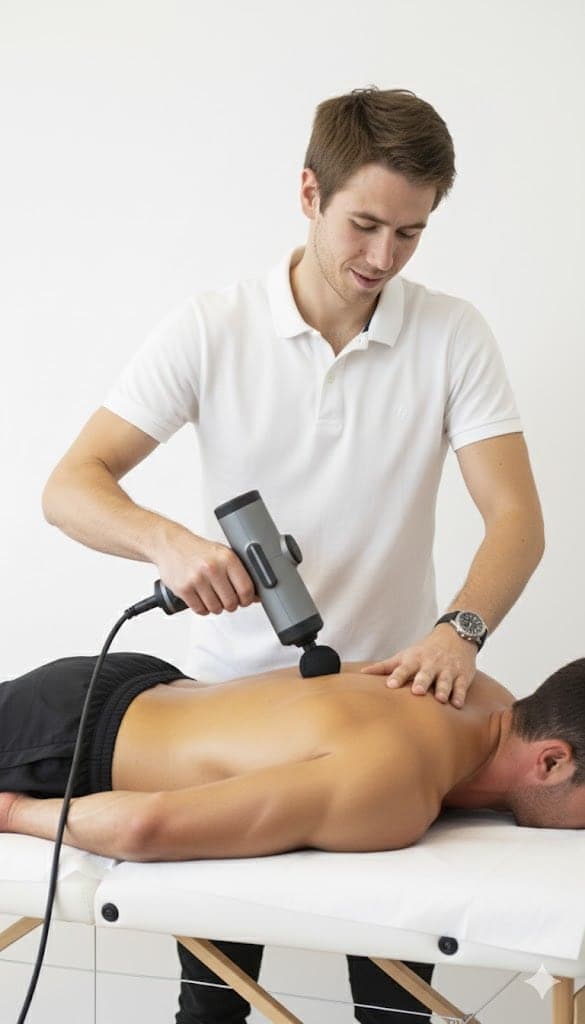
Written by
Chris
Massage therapist, nutrition and exercise physiologist
Norwegian-certified with a Bachelor’s in Physical Education and Nutrition and over ten years of clinical practice, working from a portable table in clients’ homes across the Paphos district.
This article is general information, not a medical diagnosis. If you have severe, worsening or unexplained pain, numbness, weakness, or pain after an accident, see a doctor first.