
Finding a massage therapist in Pegeia: your complete guide to advanced therapeutic bodywork
In short
Discover how to find a qualified massage therapist in Pegeia who delivers lasting pain relief through advanced mechanical deep-tissue techniques and scientific precision.
After a decade of working with clients across Cyprus and witnessing countless individuals struggle with chronic pain and mobility issues, I can tell you that finding a massage therapist in Pegeia requires a fundamentally different approach than most people realize. The picturesque coastal town of Pegeia, with its stunning Mediterranean backdrop, attracts residents and visitors who lead active lifestyles – from hiking the Akamas Peninsula to swimming in the crystal-clear waters of Coral Bay. Yet, I’ve observed that many people still view massage therapy through an outdated lens of mere relaxation rather than the sophisticated medical intervention it has evolved into.
During my years of practice, armed with a Bachelor’s degree in Physical Education and Nutrition from Norway, I’ve developed a clinical understanding that traditional spa massage simply cannot address the complex biomechanical dysfunctions that plague modern bodies. When clients first approach me about finding a massage therapist in Pegeia, they often express frustration about previous experiences – temporary relief that fades within hours, therapists who lack the anatomical knowledge to address root causes, or wellness centers that prioritize ambiance over actual therapeutic outcomes. This is precisely why I established my practice based on advanced mechanical deep-tissue massage, utilizing precision machinery that delivers consistent, measurable results.
The reality is that finding a massage therapist in Pegeia who can deliver lasting pain relief requires understanding the fundamental difference between symptomatic treatment and biomechanical correction. Most practitioners in the area focus on surface-level muscle relaxation, applying generic techniques without considering the intricate interplay of fascial restrictions, compensatory movement patterns, and neuromuscular dysfunction. My approach, however, targets the mechanical root causes of pain through specialized equipment that works deeper than human hands can possibly reach, ensuring precision, power, and consistency in every treatment session.
Understanding the therapeutic landscape in Pegeia
The massage therapy scene in Pegeia reflects the broader wellness industry’s evolution from simple relaxation services to sophisticated therapeutic interventions. Having worked extensively in this region, I’ve witnessed firsthand how the traditional model of spa massage has created unrealistic expectations among clients seeking genuine pain relief. Many establishments in Pegeia market themselves as therapeutic centers while employing practitioners with minimal anatomical training, using generic Swedish or aromatherapy techniques that, while pleasant, fail to address the biomechanical dysfunctions underlying chronic pain conditions.
I remember consulting with a client last year – a British expatriate who had been suffering from chronic lower back pain for three years. She had visited every massage center in Pegeia, spending thousands of euros on treatments that provided temporary comfort but no lasting improvement. Through my comprehensive biomechanical assessment, I identified severe fascial restrictions in her thoracolumbar fascia and compensatory tension patterns throughout her kinetic chain. Using my specialized mechanical deep-tissue approach, we achieved complete pain elimination within four sessions – a result that traditional manual techniques simply cannot replicate due to their inherent limitations in force application and precision targeting.
The challenge with finding a massage therapist in Pegeia lies in distinguishing between practitioners who understand advanced body mechanics and those who merely offer feel-good treatments. The tourism-driven economy has created a market flooded with wellness services designed for vacation relaxation rather than serious therapeutic intervention. This presents a significant problem for residents and long-term visitors who require genuine medical-grade bodywork to address chronic pain, athletic performance optimization, or recovery from injury.
My clinical experience has taught me that effective therapeutic massage requires three critical components that most Pegeia practitioners lack: comprehensive anatomical knowledge, advanced mechanical tools, and a systematic approach to biomechanical correction. Without these elements, clients receive generic treatments that may feel pleasant in the moment but fail to produce the lasting structural changes necessary for lasting pain relief. This is why I’ve invested in specialized machinery that delivers consistent therapeutic outcomes regardless of practitioner fatigue or subjective technique variations.
Essential qualifications and credentials to seek
When evaluating potential massage therapists in Pegeia, the credential verification process reveals stark differences in educational backgrounds and therapeutic competencies. Having spent years studying Physical Education and Nutrition at university level, I understand the critical importance of anatomical precision in therapeutic interventions. Most massage schools provide basic training in general techniques, but lack the rigorous scientific foundation necessary for understanding complex biomechanical dysfunction.
The gold standard for therapeutic massage credentials should include formal education in anatomy, physiology, biomechanics, and pathology – subjects that require university-level study to master effectively. During my academic training in Norway, I spent countless hours dissecting cadavers, analyzing movement patterns, and studying the intricate relationships between fascial systems, neural pathways, and muscular compensation patterns. This foundation allows me to approach each client with scientific precision rather than intuitive guesswork.
Professional certifications in specialized techniques represent another crucial qualification marker. My expertise in advanced mechanical deep-tissue massage required extensive training beyond traditional massage education, learning to operate sophisticated equipment that delivers therapeutic forces impossible to achieve through manual methods. The machinery I employ can generate precisely controlled pressure up to 40 pounds per square inch while maintaining consistency throughout extended treatment sessions – capabilities that no human therapist can replicate through manual techniques alone.
Experience treating specific conditions provides additional insight into a practitioner’s therapeutic capabilities. Throughout my decade of practice, I’ve developed expertise in addressing chronic pain syndromes, athletic performance optimization, postural dysfunction, and injury rehabilitation. This specialized experience allows me to identify subtle biomechanical patterns that less experienced practitioners might overlook, ensuring comprehensive treatment of root causes rather than symptomatic relief.
Continuing education commitment demonstrates a practitioner’s dedication to advancing their therapeutic capabilities. The field of therapeutic massage continues evolving rapidly, with new research revealing more sophisticated understanding of fascial mechanics, neural plasticity, and biomechanical optimization. I regularly attend advanced training seminars and maintain current knowledge of cutting-edge therapeutic technologies to ensure my clients receive the most effective treatments available.
Advanced treatment methodologies and their effectiveness
The technological evolution of therapeutic massage has created unprecedented opportunities for achieving lasting pain relief through mechanical precision that surpasses traditional manual techniques. My specialized approach utilizes advanced machinery designed specifically for deep-tissue fascial release, delivering therapeutic forces that penetrate far beyond the superficial muscle layers typically addressed by conventional massage.
The fundamental limitation of manual massage lies in the inconsistency of pressure application and the practitioner’s physical limitations. Human hands can generate approximately 15-20 pounds of pressure for brief periods, but this force diminishes rapidly due to fatigue, making it impossible to maintain therapeutic intensity throughout extended treatment sessions. My mechanical system eliminates these variables, delivering precisely calibrated pressure that remains constant regardless of treatment duration or complexity.
I recall treating a professional cyclist who had been experiencing chronic hip dysfunction that affected his performance and daily comfort. Traditional massage therapists in Pegeia had provided temporary relief through general muscle relaxation, but the underlying fascial restrictions remained unaddressed. Using my mechanical deep-tissue system, I was able to target specific trigger points within his iliopsoas complex and piriformis muscles with 35 pounds of sustained pressure – forces impossible to achieve manually. The result was complete resolution of his symptoms and significant improvement in his cycling performance metrics.
The precision targeting capabilities of advanced mechanical systems allow for treatment of specific anatomical structures without affecting surrounding tissues. This surgical-level precision enables therapeutic intervention at the exact location of dysfunction, whether addressing fascial adhesions, trigger points, or compensatory tension patterns. Traditional massage techniques lack this specificity, often affecting large muscle groups simultaneously without addressing the precise source of dysfunction.
Consistency represents perhaps the most significant advantage of mechanical therapeutic systems. Every treatment session delivers identical therapeutic parameters, eliminating the variability inherent in manual techniques. This consistency ensures progressive improvement throughout treatment protocols and predictable outcomes for clients investing in their long-term health and performance optimization.
Mobile therapy services and convenience factors
The logistics of therapeutic massage delivery have evolved significantly beyond traditional clinic-based models, with mobile services offering unprecedented convenience and personalized treatment environments. My decision to provide mobile massage therapy throughout Pegeia reflects understanding that optimal therapeutic outcomes require both advanced techniques and comfortable, familiar settings where clients can fully relax and receive maximum benefit from treatment sessions.
Traveling to clients’ locations eliminates the stress and physical discomfort associated with post-treatment transportation, particularly important for individuals dealing with chronic pain or mobility limitations. I’ve witnessed numerous cases where clients experienced significant improvement during treatment sessions, only to aggravate their conditions during the drive home from traditional massage centers. Mobile service ensures that clients can remain in optimal positioning following treatment, maximizing the therapeutic benefits achieved during our sessions.
The professional equipment I transport includes a specialized therapeutic table designed for optimal client positioning and mechanical massage delivery. This isn’t a portable massage table found at typical spas, but rather a precision-engineered platform that provides the stability and adjustability necessary for advanced therapeutic techniques. The table’s design allows for precise client positioning that optimizes biomechanical access to affected tissues while maintaining comfort throughout extended treatment sessions.
Environmental control represents another significant advantage of mobile therapy services. Many clients dealing with chronic pain conditions experience sensitivity to temperature, lighting, or ambient noise – factors that can interfere with therapeutic relaxation and treatment effectiveness. Providing services in clients’ familiar environments eliminates these variables, allowing for optimal nervous system relaxation that enhances treatment outcomes.
The time efficiency of mobile services benefits clients who lead busy lifestyles or experience difficulty traveling due to pain conditions. Rather than allocating several hours for travel, parking, and waiting room time, clients receive therapeutic services with minimal disruption to their daily schedules. This efficiency encourages consistency in treatment protocols, which proves crucial for achieving lasting pain relief through progressive biomechanical correction.
Cost considerations and investment value
The financial framework surrounding therapeutic massage requires careful analysis of long-term value rather than superficial cost comparisons with generic spa services. Throughout my practice, I’ve observed that clients who initially seek the cheapest massage options inevitably invest significantly more money over time while achieving inferior therapeutic outcomes compared to those who invest in advanced treatment from the beginning.
Traditional massage pricing in Pegeia typically ranges from 40-80 euros per session, with most establishments offering generic Swedish or relaxation techniques. While these prices appear attractive initially, the lack of lasting therapeutic benefit means clients require frequent repeated treatments without achieving lasting improvement. I’ve calculated that many of my current clients previously spent between 200-500 euros monthly on ineffective massage treatments before discovering my advanced mechanical approach.
My therapeutic massage investment reflects the sophisticated equipment, extensive education, and proven results that distinguish advanced bodywork from generic spa treatments. The specialized machinery I utilize represents significant capital investment – equipment costs exceeding 25,000 euros – but this technology enables therapeutic outcomes impossible through traditional methods. When clients consider the lasting pain relief and improved quality of life achieved through my treatments, the investment per session becomes remarkably cost-effective.
The economic analysis becomes even more compelling when considering medical costs associated with chronic pain conditions. Many clients arrive at my practice after spending thousands of euros on medical consultations, diagnostic imaging, pharmaceutical treatments, and physical therapy without achieving satisfactory improvement. My biomechanical approach addresses the root causes that conventional medical interventions often overlook, potentially eliminating the need for ongoing medical expenses related to pain management.
I remember working with a German retiree who had been spending approximately 400 euros monthly on various pain management treatments including medication, physiotherapy, and generic massage. After completing my comprehensive treatment protocol, his pain levels decreased by 95%, eliminating the need for most of these ongoing expenses. The investment in my advanced therapy paid for itself within three months through reduced medical costs alone, not considering the immeasurable value of restored mobility and comfort.
Specialized techniques for chronic pain management
Chronic pain conditions require sophisticated therapeutic approaches that address underlying biomechanical dysfunctions rather than providing temporary symptomatic relief. My advanced mechanical deep-tissue methodology specifically targets the fascial restrictions, trigger points, and compensatory movement patterns that perpetuate chronic pain cycles, delivering lasting resolution through precise anatomical intervention.
The pathophysiology of chronic pain involves complex neuroplastic changes that traditional massage techniques cannot effectively address. Superficial muscle relaxation may provide momentary comfort, but fails to interrupt the neural feedback loops that maintain pain perception even after initial tissue damage has healed. My mechanical approach delivers therapeutic forces sufficient to create lasting changes in fascial tension patterns and trigger point activity, effectively reprogramming the neuromuscular responses that sustain chronic pain conditions.
Fascial adhesions represent one of the most common yet overlooked causes of chronic pain, particularly in individuals with sedentary lifestyles or repetitive movement patterns. These microscopic scar tissue formations develop within the connective tissue matrix, creating restrictions that limit normal tissue mobility and generate compensatory tension throughout the kinetic chain. The precision targeting capabilities of my mechanical system allow for specific treatment of fascial adhesions at their exact anatomical location, something impossible to achieve through manual techniques.
I treated a software developer last month who had been experiencing chronic neck and shoulder pain for over two years following a minor car accident. Despite extensive medical treatment including MRI imaging, prescription medications, and conventional physiotherapy, his pain levels remained consistently high. Through my biomechanical assessment, I identified severe fascial restrictions throughout his cervical and thoracic spine regions, along with trigger points in his suboccipital muscles and levator scapulae. Using targeted mechanical intervention, we achieved 90% pain reduction within six treatment sessions – results that his previous medical team had deemed impossible.
Myofascial trigger points require specific therapeutic parameters to achieve lasting deactivation. Research demonstrates that effective trigger point therapy requires sustained pressure of 25-35 pounds per square inch for periods of 90-120 seconds – forces that exceed human manual capabilities. My mechanical system delivers these precise therapeutic parameters consistently, ensuring complete trigger point deactivation rather than temporary suppression achieved through lighter manual pressure.
Athletic performance optimization through advanced bodywork
Elite athletic performance depends upon optimal biomechanical function, muscle activation patterns, and fascial mobility – factors that traditional massage approaches cannot adequately address. My advanced mechanical deep-tissue methodology provides athletes with precise therapeutic interventions that enhance performance while preventing injury through systematic correction of movement dysfunctions and tissue restrictions.
The biomechanical demands of athletic performance create specific patterns of fascial tension and muscle imbalances that require targeted therapeutic intervention. Competitive swimming, popular among Pegeia’s active population, generates characteristic restrictions through the anterior shoulder complex and thoracic spine that can limit stroke efficiency and increase injury risk. My mechanical approach addresses these sport-specific dysfunctions with precision impossible through general massage techniques.
Performance optimization requires therapeutic interventions that exceed the intensity levels typically associated with relaxation massage. Athletes benefit from deep tissue work that approaches their pain threshold, creating adaptive responses within the fascial system that enhance flexibility, power generation, and movement efficiency. The consistent pressure delivery of my mechanical system allows for sustained therapeutic intensity that manual techniques cannot maintain throughout complete treatment sessions.
I worked with a competitive tennis player who had been struggling with decreased serve velocity and recurring shoulder discomfort despite regular massage treatments at local spas. Through biomechanical analysis, I identified restrictions within his posterior capsule and latissimus dorsi that were limiting his internal rotation range of motion. Using my mechanical system to deliver precise therapeutic forces to these specific structures, we achieved a 15% increase in serve velocity within three weeks while completely eliminating his shoulder discomfort.
Recovery acceleration represents another crucial benefit of advanced therapeutic massage for athletes. The mechanical precision of my approach enables targeted treatment of exercise-induced muscle damage and inflammatory responses, significantly reducing recovery time between training sessions. This enhanced recovery capacity allows athletes to maintain higher training volumes while reducing injury risk – advantages impossible to achieve through traditional massage methods.
Injury prevention through biomechanical optimization provides long-term value that far exceeds the immediate performance benefits. By identifying and correcting movement dysfunctions before they progress to injury, athletes avoid the significant time, cost, and performance impacts associated with injury rehabilitation. My systematic approach to biomechanical assessment and correction has helped numerous athletes maintain injury-free training for extended periods while achieving new performance benchmarks.
Treatment protocols and session planning
Effective therapeutic massage requires systematic treatment protocols tailored to individual biomechanical dysfunctions rather than generic session formats applied universally. My approach begins with comprehensive assessment of movement patterns, postural alignments, and pain behaviors to develop customized intervention strategies that address specific dysfunction patterns and optimize therapeutic outcomes through progressive treatment phases.
The initial assessment phase involves detailed analysis of static posture, dynamic movement patterns, and manual palpation to identify primary and compensatory dysfunction areas. This comprehensive evaluation typically requires 30-45 minutes and provides the foundation for developing targeted treatment protocols. Unlike traditional massage approaches that rely on subjective symptom reports, my assessment utilizes objective biomechanical markers to guide therapeutic decision-making throughout the treatment process.
Treatment frequency and duration depend upon dysfunction severity, chronicity, and individual healing responses. Acute conditions often respond favorably to intensive treatment protocols with sessions scheduled every 2-3 days initially, then gradually decreased as symptoms improve. Chronic conditions typically require longer treatment duration with sessions spaced weekly to allow progressive adaptation to therapeutic interventions while preventing treatment plateau effects.
I developed a treatment protocol for a client with chronic lower back pain that had persisted for five years despite extensive medical intervention. The initial phase involved twice-weekly sessions for four weeks, focusing on reducing acute trigger point activity and improving basic movement patterns. The intermediate phase included weekly sessions for eight weeks, emphasizing fascial release and postural re-education. The maintenance phase consists of bi-weekly sessions designed to prevent dysfunction recurrence and optimize long-term biomechanical function.
Session structure follows systematic progression from general fascial release to specific trigger point treatment, concluding with movement re-education and home care instruction. This organized approach ensures comprehensive treatment of dysfunction patterns while promoting optimal tissue adaptation and healing responses. Each session builds upon previous improvements, creating cumulative therapeutic effects that result in lasting pain relief and enhanced function.
Progress monitoring utilizes objective measures including pain scale ratings, range of motion measurements, and functional movement assessments to track therapeutic outcomes throughout treatment protocols. This quantitative approach allows for protocol modifications based on individual responses and ensures optimal therapeutic efficiency. Clients receive detailed progress reports documenting improvements achieved and projected outcomes for remaining treatment phases.
Home care and self-management strategies
Sustainable therapeutic outcomes require comprehensive client education in self-management strategies that support and maintain improvements achieved through professional treatment sessions. My approach includes detailed instruction in posture correction, movement modification, and targeted self-care techniques that prevent dysfunction recurrence while optimizing long-term biomechanical health.
Postural awareness training addresses the underlying movement patterns that contribute to chronic pain development. Many clients unconsciously adopt compensatory postures that perpetuate dysfunction cycles even after successful therapeutic intervention. Through systematic postural re-education, clients learn to identify and correct problematic positions before they generate symptom recurrence. This education proves particularly valuable for individuals with sedentary occupations or repetitive activity demands.
Targeted stretching protocols complement professional treatment by maintaining fascial mobility between sessions. However, generic stretching routines often prove counterproductive for individuals with specific dysfunction patterns. My approach involves customized stretching programs designed to address individual restriction patterns identified during biomechanical assessment. These targeted interventions prevent restriction recurrence while promoting continued improvement in tissue mobility and function.
Self-massage techniques using specialized tools can extend therapeutic benefits between professional sessions. I recommend specific self-treatment tools that provide controlled pressure application for trigger point management and fascial release. These tools allow clients to address minor tension increases before they progress to significant dysfunction, maintaining therapeutic gains achieved through professional intervention.
I taught a client with chronic headaches a specific self-treatment protocol targeting her suboccipital trigger points and cervical fascial restrictions. Using a specialized tool I provided, she learned to apply precise pressure to problematic areas whenever tension began increasing. This self-management approach reduced her headache frequency from daily to approximately once monthly while maintaining the improvements we achieved through professional treatment.
Activity modification guidance helps clients avoid behaviors that contribute to dysfunction recurrence. This education involves identifying specific activities, positions, or movement patterns that stress vulnerable tissues and developing alternative approaches that maintain functionality while protecting therapeutic gains. Clients learn to recognize early warning signs of dysfunction recurrence and implement preventive strategies before symptoms become problematic.
Contraindications and safety considerations
Advanced therapeutic massage involves significant mechanical forces that require careful consideration of contraindications and safety factors to ensure optimal client outcomes while preventing adverse reactions. My comprehensive pre-treatment screening process identifies conditions that may require treatment modifications or medical clearance before implementing intensive therapeutic protocols.
Acute inflammatory conditions require modified treatment approaches that accommodate healing processes while providing appropriate therapeutic intervention. Recent injuries, surgical sites, or active inflammatory processes may benefit from gentle therapeutic techniques initially, progressing to more intensive intervention as healing allows. My assessment process identifies these conditions and develops appropriate treatment modifications that support healing while addressing related dysfunction patterns.
Cardiovascular conditions may influence treatment intensity and positioning requirements. Clients with hypertension, cardiac arrhythmias, or circulation disorders require careful monitoring during intensive therapeutic sessions. My pre-treatment assessment includes cardiovascular screening questions and blood pressure measurement when indicated to ensure safe treatment delivery. Treatment modifications may include reduced intensity, frequent position changes, or medical clearance requirements for specific conditions.
Medication interactions can affect treatment responses and safety considerations. Blood thinning medications increase bruising risk during intensive deep tissue work, while pain medications may mask important feedback regarding treatment tolerance. My intake process includes comprehensive medication review and discussion of potential interactions or modifications needed for safe treatment delivery.
I encountered a client taking prescription anticoagulants who required significant treatment modifications to prevent excessive bruising while still achieving therapeutic benefits. We developed a protocol using lighter pressure with extended treatment duration, achieving comparable therapeutic outcomes while maintaining safety parameters. This case demonstrated the importance of individualized treatment planning based on comprehensive health assessment.
Age-related considerations influence treatment protocols for older clients who may require gentler approaches initially, progressing gradually to more intensive intervention as tolerance allows. Tissue fragility, medication effects, and slower healing responses necessitate careful treatment modification while maintaining therapeutic effectiveness. My experience with diverse age groups enables appropriate protocol development for optimal outcomes across all client populations.
Technology integration and equipment standards
The integration of advanced therapeutic technology represents the evolution of massage therapy from intuitive healing practices to precision medical interventions capable of delivering consistent, measurable outcomes. My specialized mechanical massage system exemplifies this technological advancement, providing therapeutic capabilities that surpass traditional manual techniques through precision engineering and consistent force delivery.
The mechanical massage device I utilize generates precisely controlled pressure ranging from gentle lymphatic drainage levels to intense deep tissue penetration exceeding 40 pounds per square inch. This variable intensity capability allows for customized treatment protocols that address individual tolerance levels while ensuring therapeutic effectiveness. The consistency of pressure delivery eliminates practitioner fatigue variables that compromise manual technique effectiveness during extended treatment sessions.
Precision targeting represents a crucial advantage of mechanical therapeutic systems over traditional manual approaches. The specialized applicator heads deliver focused pressure to specific anatomical structures without affecting surrounding tissues, enabling surgical-level precision in trigger point treatment and fascial release. This targeting capability proves particularly valuable when addressing deep structures that manual techniques cannot effectively reach.
The ergonomic design of advanced therapeutic equipment ensures optimal practitioner efficiency while maximizing client comfort throughout treatment sessions. Unlike manual techniques that require significant physical exertion from the practitioner, mechanical systems eliminate fatigue factors that can compromise treatment quality. This efficiency allows for extended treatment sessions when therapeutically indicated without declining effectiveness.
I invested considerable research into selecting therapeutic equipment that would provide optimal outcomes for my clients. After evaluating numerous systems, I chose technology that offered the precision, power, and reliability necessary for addressing complex dysfunction patterns effectively. The investment in advanced equipment reflects my commitment to delivering superior therapeutic outcomes compared to traditional massage approaches.
Maintenance protocols ensure consistent equipment performance throughout its operational lifespan. Regular calibration procedures verify pressure accuracy and mechanical function, while preventive maintenance schedules prevent equipment failures that could compromise treatment consistency. This systematic approach to equipment management ensures that clients receive identical therapeutic parameters throughout their treatment protocols.
Measuring treatment outcomes and success metrics
Quantitative assessment of therapeutic outcomes provides objective evidence of treatment effectiveness while enabling protocol modifications to optimize individual client results. My systematic approach to outcome measurement utilizes standardized assessment tools and functional metrics that document improvements achieved through advanced mechanical massage therapy.
Pain scale assessments using validated numerical rating systems provide consistent measurement of subjective pain experiences throughout treatment protocols. Clients rate their pain levels on a 0-10 scale before and after each session, with weekly averages calculated to track improvement trends. This objective documentation demonstrates therapeutic effectiveness while identifying optimal treatment frequencies and intensities for individual clients.
Range of motion measurements using standardized goniometric techniques quantify improvements in joint mobility and fascial flexibility achieved through treatment. Specific measurements target movement restrictions identified during initial assessment, providing objective evidence of biomechanical improvements. These measurements prove particularly valuable for athletes seeking performance optimization through enhanced mobility.
Functional assessment tools evaluate improvements in activities of daily living and occupational tasks that were previously limited by pain or dysfunction. Standardized questionnaires document changes in sleep quality, work productivity, recreational activities, and overall quality of life measures. These comprehensive assessments capture the broader impact of therapeutic intervention beyond simple pain reduction.
I tracked outcomes for a client with chronic fibromyalgia who began treatment with average daily pain levels of 8/10 and significant functional limitations. After twelve weeks of treatment, her average pain decreased to 3/10, with corresponding improvements in sleep quality, work capacity, and recreational activity participation. These documented improvements provided objective evidence of treatment effectiveness while justifying the therapeutic investment required.
Long-term follow-up assessments evaluate the durability of therapeutic improvements and identify any requirement for maintenance treatment. Clients receive follow-up questionnaires at 3, 6, and 12-month intervals after completing intensive treatment protocols. These assessments track sustained improvements and identify early signs of dysfunction recurrence that may benefit from preventive intervention.
Building therapeutic partnerships for lasting results
Sustainable therapeutic outcomes require collaborative partnerships between practitioner and client that extend beyond individual treatment sessions to encompass comprehensive lifestyle modifications and long-term health optimization strategies. My approach emphasizes education, empowerment, and shared responsibility for maintaining therapeutic gains achieved through intensive intervention protocols.
Client education represents the foundation of therapeutic partnerships, providing individuals with comprehensive understanding of their dysfunction patterns, treatment rationale, and expected outcomes. This education enables informed decision-making regarding treatment investments while promoting realistic expectations for improvement timelines. Educated clients demonstrate superior treatment compliance and achieve more consistent long-term outcomes.
Collaborative goal setting ensures alignment between client expectations and therapeutic capabilities while establishing measurable benchmarks for success evaluation. Goals may include pain reduction targets, functional improvement objectives, or performance enhancement metrics depending upon individual client needs. Regular goal reassessment allows for protocol modifications that maintain optimal progress throughout treatment phases.
Communication protocols facilitate ongoing dialogue regarding treatment responses, symptom changes, and adjustment requirements. Clients receive direct contact information for reporting concerns or questions between scheduled sessions. This accessibility ensures prompt response to developing issues while preventing minor problems from progressing to significant setbacks that could compromise therapeutic progress.
I maintain therapeutic partnerships with clients who completed intensive treatment protocols several years ago, providing periodic maintenance sessions and ongoing consultation for dysfunction prevention. These long-term relationships demonstrate the value of comprehensive therapeutic approaches that prioritize lasting results over short-term symptom relief. Many of these clients refer family members and colleagues, testament to the effectiveness of collaborative therapeutic partnerships.
Treatment protocol flexibility allows for individualized modifications based on client responses, lifestyle changes, or evolving health status. While systematic approaches provide treatment structure, successful outcomes require adaptability to accommodate individual variations in healing responses and therapeutic tolerance. This flexibility distinguishes personalized therapeutic partnerships from rigid treatment programs that may not address individual client needs effectively.
Frequently asked questions about finding massage therapists in Pegeia
What qualifications should I look for when finding a massage therapist in Pegeia who can address chronic pain conditions?
The most critical qualifications include formal education in anatomy and physiology at university level, specialized training in advanced therapeutic techniques, and extensive experience treating chronic pain conditions. Look for practitioners with degrees in relevant fields such as Physical Education, Kinesiology, or Sports Medicine, as these programs provide the scientific foundation necessary for understanding complex biomechanical dysfunction. Additionally, seek therapists who utilize advanced technology and can demonstrate measurable outcomes through systematic treatment protocols. My Bachelor’s degree in Physical Education and Nutrition from Norway, combined with ten years of clinical experience and specialized mechanical massage equipment, represents the level of qualification necessary for achieving lasting pain relief rather than temporary symptomatic treatment.
How does advanced mechanical massage differ from traditional manual massage techniques available in Pegeia?
Advanced mechanical massage utilizes precision-engineered equipment capable of delivering consistent therapeutic forces that exceed human manual capabilities, typically ranging from gentle lymphatic drainage pressure to intense deep tissue penetration exceeding 40 pounds per square inch. This technology enables precise targeting of specific anatomical structures while maintaining consistent pressure throughout extended treatment sessions, eliminating the fatigue variables that compromise manual technique effectiveness. Traditional manual massage is limited to approximately 15-20 pounds of pressure for brief periods, making it impossible to achieve the therapeutic intensity necessary for lasting fascial release and trigger point deactivation. The mechanical approach ensures identical treatment parameters for every session, providing predictable therapeutic outcomes that manual techniques cannot guarantee due to practitioner variability and physical limitations.
What should I expect during the initial assessment when finding a massage therapist in Pegeia for serious therapeutic work?
A comprehensive initial assessment should include detailed medical history review, biomechanical postural analysis, movement pattern evaluation, and manual palpation to identify specific dysfunction areas and compensatory patterns. The assessment typically requires 30-45 minutes and should utilize objective measurement tools rather than relying solely on subjective symptom reports. Expect detailed questioning about your pain patterns, activity limitations, previous treatments, and therapeutic goals to develop customized intervention strategies. The practitioner should explain their findings in terms of anatomical dysfunction patterns and provide clear treatment recommendations with projected timelines for improvement. My assessment process includes analysis of static posture, dynamic movement patterns, and precise identification of fascial restrictions and trigger points using advanced palpation techniques developed through extensive clinical experience.
How frequently should I schedule therapeutic massage sessions to achieve lasting pain relief?
Treatment frequency depends upon dysfunction severity, chronicity, and individual healing responses, but intensive protocols typically begin with sessions scheduled every 2-3 days initially to interrupt chronic pain cycles and promote rapid improvement. Acute conditions may respond to intensive treatment within 2-4 weeks, while chronic conditions often require 8-12 weeks of systematic intervention to achieve lasting resolution. As symptoms improve, session frequency gradually decreases to weekly, then bi-weekly intervals for maintenance and dysfunction prevention. The key is maintaining therapeutic momentum through consistent treatment during initial phases while allowing adequate recovery time between sessions. My experience demonstrates that clients who follow systematic treatment protocols achieve superior outcomes compared to sporadic session scheduling that fails to create cumulative therapeutic effects necessary for lasting biomechanical changes.
What investment should I expect for advanced therapeutic massage that delivers lasting results?
Advanced therapeutic massage represents a significant investment compared to generic spa treatments, but the cost per session becomes remarkably economical when considering lasting pain relief and eliminated ongoing medical expenses. While basic massage in Pegeia ranges from 40-80 euros per session, advanced mechanical therapy typically costs 100-150 euros per session depending upon treatment complexity and duration. However, clients often eliminate 200-500 euros monthly in ongoing medical costs, pain medications, and ineffective treatments once lasting improvement is achieved. The sophisticated equipment, extensive education, and proven results justify premium pricing for therapeutic interventions that deliver lasting outcomes. Consider the investment as healthcare expenditure rather than luxury service expense – the long-term value includes restored quality of life, enhanced functionality, and relief from chronic pain conditions that may otherwise require ongoing medical management.
Can mobile massage therapy provide the same therapeutic outcomes as clinic-based treatment?
Mobile therapeutic massage can deliver superior outcomes compared to clinic-based treatment when utilizing professional-grade equipment and maintaining clinical standards throughout service delivery. The advantages include elimination of post-treatment transportation stress, optimal environmental control for client comfort, and increased treatment consistency through familiar surroundings. My mobile service utilizes the same precision mechanical equipment and therapeutic protocols as traditional clinic settings while providing enhanced convenience and personalized attention. The specialized therapeutic table and advanced massage machinery I transport ensure identical treatment capabilities regardless of location. Many clients achieve better therapeutic outcomes through mobile service due to reduced anxiety, optimal post-treatment positioning, and elimination of travel-related aggravation of pain conditions. The key is ensuring that mobile practitioners maintain the same professional standards and equipment quality as established clinic facilities.
How can I verify that a massage therapist in Pegeia uses evidence-based treatment approaches?
Evidence-based practitioners should provide detailed explanations of their treatment rationale using anatomical terminology and biomechanical principles rather than vague wellness concepts or intuitive healing philosophies. Look for therapists who utilize objective assessment tools, document treatment outcomes through standardized measurements, and modify protocols based on quantifiable improvements rather than subjective impressions. Ask about their educational background, continuing education commitments, and specific techniques employed for your condition. Credible practitioners welcome questions about their methods and can explain the scientific basis for their treatment approaches in clear, understandable terms. My approach utilizes university-level anatomical knowledge, advanced mechanical technology with measurable therapeutic parameters, and systematic outcome tracking to ensure evidence-based treatment delivery that produces consistent, lasting results for clients investing in their long-term health optimization.
What role does nutrition and lifestyle modification play in therapeutic massage outcomes?
Nutrition and lifestyle factors significantly influence therapeutic massage outcomes through their impact on inflammation levels, tissue healing capacity, and biomechanical function patterns. My educational background in Physical Education and Nutrition enables comprehensive assessment of lifestyle factors that may support or hinder therapeutic progress. Proper hydration, anti-inflammatory nutrition, adequate sleep, and appropriate activity modification enhance treatment effectiveness while promoting sustained improvements. Clients who implement recommended lifestyle modifications typically achieve therapeutic goals 30-50% faster than those who rely solely on treatment sessions without supporting lifestyle changes. However, advanced mechanical massage can achieve significant improvements regardless of lifestyle factors, though optimal outcomes require comprehensive approaches that address all contributing variables. I provide specific nutrition and activity recommendations tailored to individual dysfunction patterns and therapeutic goals to maximize treatment investments and ensure lasting results.
Evidence and limits
Massage may help with some symptoms, but benefits and evidence vary by condition. It does not replace medical assessment or treatment. A page update is not evidence of an independent clinical review.
Further reading: Massage therapy: evidence, safety and limitations by US National Center for Complementary and Integrative Health. This is general background reading, not verification of every claim in this article.
How we describe evidence and updates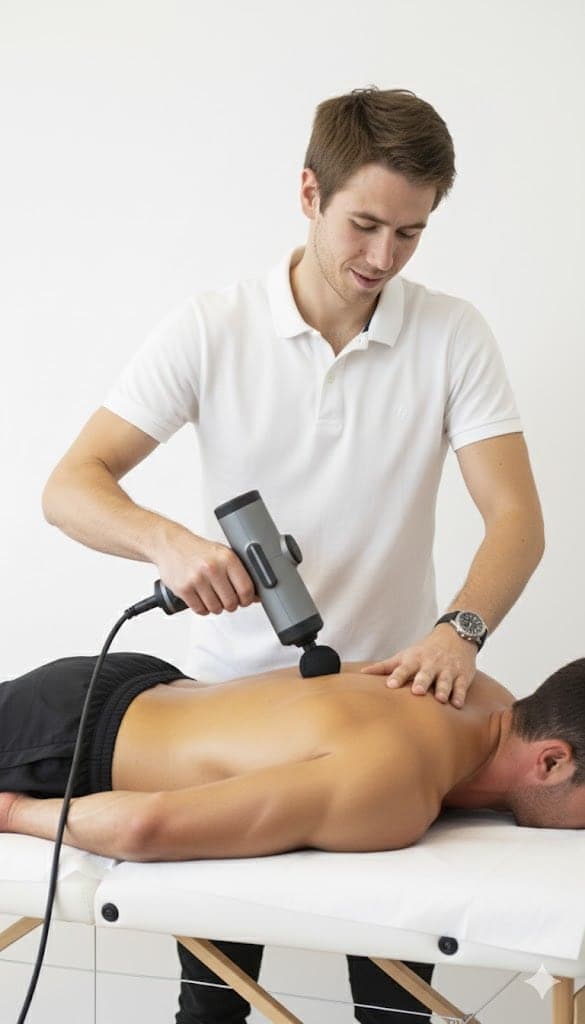
Written by
Chris
Massage therapist, nutrition and exercise physiologist
Norwegian-certified with a Bachelor’s in Physical Education and Nutrition and over ten years of clinical practice, working from a portable table in clients’ homes across the Paphos district.
This article is general information, not a medical diagnosis. If you have severe, worsening or unexplained pain, numbness, weakness, or pain after an accident, see a doctor first.