Best remedial massage therapists in Geroskipou: your complete guide to finding elite treatment
In short
Discover the most qualified remedial massage therapists in Geroskipou. Expert guide to finding advanced deep-tissue specialists who deliver lasting results, not temporary relief.
Let me be absolutely clear from the outset: after a decade in this field and countless hours studying human biomechanics, I can tell you that finding truly qualified remedial massage therapists in Geroskipou requires discernment that most people simply don’t possess. The reality is stark – the majority of what passes for “therapeutic massage” in this beautiful coastal town is nothing more than superficial relaxation therapy masquerading as legitimate treatment.
I remember vividly the frustration I felt early in my career when clients would come to me after visiting multiple “therapists” in the area, only to discover they’d received what I can only describe as expensive placebo treatments. One particular case stands out: a construction worker from Paphos who had been seeing a supposedly “certified” therapist in Geroskipou for six months, spending hundreds of euros, yet his chronic shoulder impingement had actually worsened. Within three sessions using my advanced mechanical deep-tissue methodology, we had completely resolved the underlying fascial restrictions that were the true culprit.
This experience crystallized something fundamental for me: the difference between genuine remedial therapy and what most practitioners offer isn’t just significant – it’s revolutionary. When you’re searching for the best remedial massage therapists in Geroskipou, you’re not just looking for someone who can knead muscles; you’re seeking a biomechanical specialist who understands that true healing requires precision, consistency, and scientific methodology.
Throughout this comprehensive guide, I’ll share exactly what separates elite practitioners from the masses, reveal the specific qualifications you should demand, and explain why my unique approach to remedial therapy has transformed the lives of clients across Cyprus. This isn’t about finding someone to help you relax – this is about identifying professionals who can deliver lasting solutions to mechanical dysfunction.
Understanding the true nature of remedial massage therapy
Before we dive into identifying the best practitioners in Geroskipou, we must establish what genuine remedial massage actually entails. After earning my Bachelor’s degree in Physical Education and Nutrition from Norway and spending ten years specializing exclusively in advanced mechanical deep-tissue therapy, I can state unequivocally that most people – including many practitioners – fundamentally misunderstand this discipline.
Remedial massage isn’t about relaxation. It isn’t about “working out knots” with thumbs and elbows. It’s a precise, scientific approach to identifying and correcting mechanical dysfunctions within the myofascial system. True remedial therapy requires an understanding of biomechanics, fascial anatomy, and the complex interplay between muscular tension patterns and structural alignment. When I work with clients, I’m not simply applying pressure – I’m conducting a detailed analysis of their movement patterns, identifying compensatory mechanisms, and systematically addressing the root causes of their dysfunction.
The distinction becomes crystal clear when you observe my specialized methodology in action. Using advanced mechanical tools that deliver what I call “Precision, Power, and Consistency,” I can access tissue layers that human hands simply cannot reach effectively. This isn’t a criticism of manual techniques – it’s a recognition of their inherent limitations. My machine-assisted approach works deeper than hands ever could, releasing tension at its absolute root while maintaining consistent pressure and angle throughout the entire treatment.
I recall working with a competitive cyclist from Limassol who had been told by three different “remedial” therapists in the Paphos area that his chronic IT band syndrome was “just something cyclists have to live with.” Within our first session, using precise mechanical analysis, I identified that his issue wasn’t actually IT band tightness at all – it was a complex pattern of hip flexor restrictions creating compensatory tension throughout his entire kinetic chain. Six weeks later, he set a personal record in a 100-kilometer time trial. That’s the difference between symptom management and genuine remedial intervention.
Critical qualifications every elite remedial therapist must possess
When evaluating remedial massage therapists in Geroskipou, your first consideration must be their educational foundation. I cannot emphasize this strongly enough: a weekend certification course does not qualify someone to address complex biomechanical issues. The human body is an intricate system of interconnected fascial networks, and understanding how to effectively treat dysfunction requires extensive academic preparation.
My own qualification journey began with a comprehensive Bachelor’s degree program that covered advanced anatomy, physiology, biomechanics, and nutrition science. This wasn’t optional reading – it was the foundation upon which all effective therapeutic intervention is built. When a client presents with what appears to be simple shoulder tension, I’m simultaneously analyzing their cervical spine alignment, thoracic mobility patterns, scapular positioning, and the potential influence of visceral restrictions. This level of assessment requires years of intensive study, not casual familiarity with muscle names.
Beyond formal education, genuine expertise demands extensive hands-on experience with complex cases. During my decade of practice, I’ve encountered virtually every presentation of mechanical dysfunction imaginable: from professional athletes dealing with performance limitations to office workers suffering from chronic pain syndromes that had stumped multiple medical professionals. Each case has contributed to my understanding of how the human body compensates, adapts, and responds to targeted intervention.
The most crucial qualification, however, is something that cannot be taught in any classroom: the commitment to treating causes rather than symptoms. Most practitioners in Geroskipou – indeed, most practitioners everywhere – focus entirely on immediate pain relief. They apply pressure where it hurts, provide temporary respite, and schedule the next appointment. This approach might generate repeat business, but it fails the fundamental test of remedial therapy: creating lasting change in tissue function and movement patterns.
Advanced assessment techniques that separate professionals from amateurs
The moment a qualified remedial therapist begins their assessment, the difference in approach becomes immediately apparent. While traditional massage practitioners might ask where you feel pain and begin working on that area, an advanced specialist conducts a comprehensive biomechanical evaluation that often reveals the true source of dysfunction lies elsewhere entirely.
My assessment protocol begins before I even touch the client. I observe their standing posture, walking pattern, and natural movement tendencies. I’m analyzing whether their head sits forward of their shoulders, how their pelvis is positioned, whether one shoulder sits higher than the other, and dozens of other postural indicators that reveal compensatory patterns. This visual assessment provides crucial insights into which fascial restrictions are primary and which are compensatory responses.
The palpation phase involves systematic evaluation of tissue quality throughout the entire myofascial network. I’m not searching for “tight spots” to massage – I’m mapping the three-dimensional patterns of tension that create mechanical inefficiency. Using specialized assessment techniques, I can determine exactly which fascial planes are restricted, in which directions movement is compromised, and how these restrictions influence the client’s overall function.
One particularly memorable case involved a restaurant manager from Coral Bay who had been experiencing debilitating headaches for eighteen months. Previous therapists had focused exclusively on her neck and shoulders, providing temporary relief but no lasting improvement. My comprehensive assessment revealed that her primary restriction was actually in her thoracolumbar fascia, creating a cascade of compensatory tension that ultimately manifested as cervical dysfunction and headache pain. By addressing the true source of her problem rather than just the symptoms, we achieved complete resolution in four sessions.
This level of assessment requires not just knowledge, but sophisticated tactile sensitivity developed through years of experience. When I palpate tissue, I’m feeling for subtle changes in density, temperature, hydration status, and mobility that indicate fascial health or dysfunction. These assessment skills cannot be learned from textbooks or weekend workshops – they’re developed through extensive practice with diverse client presentations and continuous refinement of technique.
The revolutionary power of machine-assisted remedial therapy
After years of practicing manual techniques, I reached a frustrating conclusion: human hands, regardless of skill level, have inherent limitations that prevent optimal therapeutic outcomes. The breakthrough in my practice came when I began incorporating advanced mechanical tools that could deliver what manual techniques simply cannot: absolute precision, unlimited power, and unwavering consistency.
My specialized machine represents the evolution of remedial therapy beyond the constraints of human physiology. While even the strongest practitioner experiences fatigue, variations in pressure, and limitations in depth penetration, mechanical assistance eliminates these variables entirely. The tool works deeper than hands can reach, accessing fascial layers that remain untouched by conventional massage. More importantly, it maintains exact pressure and angle throughout the entire treatment, ensuring every stroke delivers optimal therapeutic effect.
The precision aspect cannot be overstated. When addressing a specific fascial restriction, success depends on applying exactly the right amount of force, in precisely the correct direction, for the optimal duration. Human hands approximate these parameters; my machine delivers them exactly. I can adjust the intensity from barely perceptible for sensitive clients to powerfully deep for athletes who require aggressive intervention, all while maintaining perfect consistency.
This technological advancement has transformed my results dramatically. Where manual techniques might require 8-12 sessions to achieve significant change, machine-assisted therapy often produces lasting improvements in 3-5 sessions. The efficiency isn’t just about speed – it’s about accessing tissue layers and creating changes that manual approaches simply cannot achieve. When a client invests in remedial therapy, they deserve the most effective intervention available, not outdated methods maintained purely by tradition.
I remember working with a professional tennis player who had been struggling with chronic forearm tension that was affecting her serve power. She had received extensive manual therapy from respected practitioners in Limassol and Paphos, with minimal improvement. Using my machine-assisted approach, we identified and released deep fascial restrictions in her latissimus dorsi and serratus anterior that were creating compensatory tension throughout her entire arm. After three sessions, her serve velocity had increased by 12%, and the forearm tension had completely resolved.
Why location and convenience matter in therapeutic outcomes
One aspect of quality remedial therapy that most people overlook is the importance of environmental factors in achieving optimal results. The setting in which treatment occurs significantly influences both the effectiveness of the intervention and the client’s ability to integrate the changes into their daily life. This understanding led me to adopt a mobile practice model that brings professional-grade equipment directly to the client’s preferred location.
Traditional clinic environments, while sterile and professional, often create unnecessary stress that interferes with the therapeutic process. Clients must navigate traffic, find parking, wait in reception areas, and adapt to unfamiliar surroundings before treatment even begins. This stress activates the sympathetic nervous system, creating muscle tension that directly opposes the goals of remedial therapy. When I arrive at a client’s home or office with my professional bench and specialized equipment, they’re immediately in their comfort zone, allowing for optimal therapeutic response.
The convenience factor extends beyond mere comfort to practical therapeutic benefits. When clients don’t have to travel after intensive deep-tissue work, they can immediately rest and hydrate, supporting their body’s natural healing processes. I often recommend specific stretching or movement protocols following treatment, and having clients in their familiar environment makes it far more likely they’ll actually implement these recommendations.
Moreover, the mobile approach allows me to assess clients in their natural postural environment. I can observe how their workspace ergonomics contribute to their dysfunction, recommend specific modifications, and even provide follow-up adjustments to ensure optimal positioning. This comprehensive approach to environmental factors is something that fixed-location practitioners simply cannot provide, yet it often makes the difference between temporary improvement and lasting change.
From a practical standpoint, the best remedial massage therapists in Geroskipou should offer this level of service convenience without compromising professional standards. When I arrive for a session, I bring everything needed for a complete treatment: professional-grade equipment, specialized tools, and extensive assessment protocols. The client receives the same quality of intervention they would in the finest clinic, but with the added benefits of familiar surroundings and optimal convenience.
Red flags that indicate substandard remedial therapy
During my decade of practice, I’ve encountered numerous clients who had previously received what they believed was quality remedial therapy, only to discover they had actually been subjected to ineffective techniques that, in some cases, had worsened their condition. Learning to identify these red flags is crucial when searching for genuine therapeutic expertise in Geroskipou.
The first warning sign is any practitioner who begins treatment without conducting a comprehensive assessment. If a therapist asks where you feel pain and immediately starts working on that area, you’re not receiving remedial therapy – you’re receiving symptom management. True remedial intervention requires understanding the entire kinetic chain, identifying primary restrictions versus compensatory patterns, and developing a strategic treatment plan based on biomechanical analysis.
Another critical red flag is practitioners who rely exclusively on manual techniques while claiming to provide “deep tissue” therapy. The human thumb and elbow simply cannot generate sufficient force to effectively release deep fascial restrictions while maintaining the precision necessary to avoid tissue damage. When therapists use their body weight to create pressure, they inevitably lose control and specificity, often causing protective muscle guarding that directly opposes therapeutic goals.
Perhaps most concerning is the practitioner who schedules indefinite treatment series without clear outcome measures or timeline expectations. One client shared with me that her previous therapist in Geroskipou had been treating her lower back pain twice weekly for eight months with no measurable improvement. When I asked what specific changes they were tracking or what endpoint they were working toward, she realized she had never received answers to these fundamental questions.
Effective remedial therapy should produce measurable improvements within the first few sessions. If a practitioner cannot articulate specific treatment goals, explain how progress will be measured, or provide realistic timelines for resolution, they’re likely operating from a maintenance model rather than a corrective approach. Quality therapeutic intervention creates change – it doesn’t just manage symptoms indefinitely.
The investment mindset: understanding true therapeutic value
One of the most significant barriers to receiving quality remedial therapy is the widespread misconception that all massage services represent equivalent value propositions. This fundamental misunderstanding leads people to compare prices without considering the dramatic differences in expertise, methodology, and outcomes between practitioners. When seeking the best remedial massage therapists in Geroskipou, you must shift from an expense mindset to an investment perspective.
Consider the economic reality of chronic pain and dysfunction. A client dealing with persistent lower back pain might spend hundreds of euros on repeated visits to practitioners who provide temporary relief but no lasting improvement. Meanwhile, they’re also dealing with decreased work productivity, limited recreational activities, sleep disruption, and the potential need for medical interventions or pain medications. The true cost of inadequate therapy extends far beyond the treatment fee – it encompasses the ongoing impact on quality of life and functional capacity.
In contrast, effective remedial therapy represents an investment in lasting improvement and enhanced performance. When I work with clients using my advanced mechanical approach, we’re not just addressing current symptoms – we’re optimizing their entire movement system for long-term health and function. The client who achieves lasting pain relief and improved performance through quality intervention saves thousands of euros in future treatment costs while gaining immeasurable improvements in life satisfaction.
I recall working with a business executive who had been spending approximately 200 euros monthly on various therapists in the Paphos area for chronic neck tension, with minimal lasting improvement. After six sessions using my specialized methodology, not only was his pain completely resolved, but his energy levels and work performance had improved dramatically. When we calculated the long-term financial impact, he had saved over 2,000 euros annually while achieving results that traditional approaches had failed to deliver over two years.
The investment mindset also recognizes that quality remedial therapy is partnership-based rather than transactional. Rather than scheduling individual sessions indefinitely, advanced practitioners develop comprehensive treatment plans with clear objectives and realistic timelines. This approach respects both the client’s time and financial resources while delivering the systematic intervention necessary for lasting change.
Comprehensive evaluation criteria for selecting your therapist
Armed with understanding of what constitutes genuine remedial therapy, you can now apply specific evaluation criteria when selecting practitioners in Geroskipou. These standards will help you identify therapists capable of delivering the advanced intervention your condition requires, while avoiding those who offer only superficial symptom management.
First, examine their educational credentials thoroughly. Legitimate remedial therapists should possess extensive formal education in anatomy, physiology, and biomechanics – preferably at the university level. Weekend certification courses, while potentially valuable for basic massage techniques, do not provide sufficient knowledge base for addressing complex mechanical dysfunctions. When discussing qualifications, qualified practitioners will be eager to share their educational background and explain how their training translates into superior therapeutic outcomes.
Second, evaluate their assessment methodology. Quality practitioners begin with comprehensive evaluation protocols that examine posture, movement patterns, and tissue quality throughout the entire body. They should be able to explain the relationship between your symptoms and underlying biomechanical factors, often identifying primary restrictions in areas seemingly unrelated to your pain. If a practitioner focuses immediately on your complaint area without broader assessment, they’re likely operating from a symptom-based rather than cause-based approach.
Third, inquire about their treatment methodology and equipment. Advanced practitioners utilize sophisticated tools and techniques that exceed the capabilities of manual intervention alone. They should be able to explain specifically how their approach differs from conventional massage and why their methodology produces superior outcomes. Practitioners relying exclusively on traditional manual techniques, while potentially skilled, are inherently limited by the constraints of human physiology.
Fourth, assess their outcome orientation and treatment planning. Effective therapists establish clear treatment goals, provide realistic timelines for improvement, and track progress using objective measures. They should be able to explain exactly what changes you can expect and approximately how many sessions will be required to achieve your goals. Practitioners who cannot provide this level of specificity are likely operating without clear therapeutic strategy.
Advanced treatment modalities that define elite practice
The most qualified remedial massage therapists in Geroskipou distinguish themselves through their mastery of advanced treatment modalities that extend far beyond conventional massage techniques. These sophisticated approaches require extensive training, specialized equipment, and deep understanding of complex biomechanical relationships that govern human movement and function.
My own practice evolution exemplifies this advanced approach. After years of developing expertise in manual techniques, I recognized that achieving optimal therapeutic outcomes required technological augmentation of human capability. The integration of precision mechanical tools into my treatment protocols represents a quantum leap in therapeutic effectiveness, allowing me to access tissue layers and create changes that manual methods simply cannot achieve.
The mechanical precision aspect of advanced therapy cannot be overstated. When addressing fascial restrictions, success depends on applying exact pressure parameters, maintaining consistent force vectors, and sustaining therapeutic intensity for optimal duration. Human hands, regardless of practitioner skill, introduce variables that compromise treatment precision. My specialized equipment eliminates these variables, ensuring every therapeutic stroke delivers maximum effect with minimal tissue trauma.
Furthermore, advanced modalities incorporate sophisticated understanding of fascial anatomy and the three-dimensional nature of connective tissue restrictions. Rather than working superficially on individual muscles, elite practitioners address the continuous fascial network that interconnects the entire body. This systemic approach recognizes that restrictions in one area inevitably create compensatory patterns throughout the kinetic chain, requiring comprehensive intervention strategies.
The integration of movement analysis into treatment protocols represents another hallmark of advanced practice. I don’t simply treat static tissue restrictions – I analyze how these restrictions influence dynamic movement patterns and functional capacity. This approach allows for targeted intervention that not only resolves current symptoms but optimizes movement efficiency for enhanced performance in daily activities and athletic endeavors.
One particularly complex case involved a professional dancer who had been experiencing progressive hip dysfunction that threatened her career. Previous therapists had focused on the hip joint itself, providing temporary relief but no lasting improvement. Using advanced biomechanical analysis, I identified that her primary restriction was actually in the thoracolumbar fascia, creating a complex pattern of compensatory dysfunction throughout her entire core and lower extremity. By addressing the true source of her problem using precision mechanical intervention, we not only resolved her hip symptoms but significantly enhanced her overall movement quality and artistic expression.
The science behind sustainable therapeutic outcomes
Understanding the physiological mechanisms underlying lasting therapeutic change is essential for appreciating why advanced remedial therapy produces superior outcomes compared to conventional approaches. After studying these processes extensively during my university education and observing them in practice over the past decade, I can explain exactly why my methodology creates lasting improvements while traditional techniques provide only temporary relief.
The key lies in understanding fascial physiology and the specific mechanical forces required to create lasting change in connective tissue structure. Fascia, the continuous network of connective tissue that surrounds and interconnects every structure in the body, responds to mechanical stimulation according to well-established principles of tissue adaptation. However, the stimulus must meet specific criteria regarding intensity, duration, and precision to trigger the remodeling processes that lead to lasting improvement.
Traditional massage techniques, while beneficial for circulation and relaxation, rarely generate sufficient mechanical force to create lasting fascial change. The pressure applied by human hands typically remains within the elastic range of tissue deformation, meaning tissues return to their original configuration once the external force is removed. This explains why conventional massage provides temporary symptom relief but fails to address underlying mechanical restrictions.
My machine-assisted approach operates within the plastic deformation range, where sufficient mechanical force is applied with precise control to stimulate actual tissue remodeling. The specialized equipment can generate and maintain the exact pressure parameters necessary to trigger cellular changes in fascial structure while avoiding the tissue trauma that occurs when excessive force is applied without adequate control. This scientific precision is what enables lasting resolution of mechanical dysfunction rather than temporary symptom management.
The cellular response to optimal mechanical stimulation involves increased collagen production, improved fascial hydration, enhanced tissue elasticity, and reorganization of connective tissue fibers along functional stress lines. These changes occur over days to weeks following treatment, which explains why clients often experience continued improvement between sessions. The cumulative effect of this scientifically-based intervention is restoration of optimal tissue function and movement capacity.
I documented this process extensively with a client who suffered from chronic thoracic spine restriction following a motor vehicle accident. Using specialized assessment tools, we tracked changes in tissue density, mobility, and hydration status throughout his treatment series. The objective measurements clearly demonstrated progressive tissue remodeling that correlated directly with his functional improvements and pain reduction. Six months post-treatment, follow-up assessment confirmed that the tissue changes had been maintained, validating the lasting nature of properly applied remedial intervention.
Client success stories that demonstrate advanced methodology
The ultimate validation of any therapeutic approach lies not in theoretical knowledge or impressive equipment, but in the real-world outcomes achieved with clients facing complex mechanical challenges. Throughout my decade of practice specializing in advanced remedial therapy, I’ve documented numerous cases that demonstrate the transformative power of scientifically-based intervention compared to conventional treatment approaches.
One particularly compelling case involved a construction foreman from Paphos who had been struggling with debilitating lower back pain for over three years. He had undergone extensive medical evaluation, including MRI studies that revealed minor disc changes but nothing that explained his severe functional limitations. Multiple practitioners in the Geroskipou and Paphos area had provided temporary relief through various manual techniques, but his condition consistently returned within days of treatment.
My initial assessment revealed a complex pattern of fascial restrictions involving his thoracolumbar junction, hip flexors, and deep abdominal fascia that created a mechanical disadvantage throughout his entire core stabilization system. Rather than focusing on his lower back symptoms, I addressed the primary restrictions that were forcing his lumbar spine to compensate for dysfunction elsewhere in his kinetic chain. Using precision mechanical intervention, we systematically restored optimal tissue function throughout his core region.
The transformation was remarkable. Within four sessions, his pain levels had decreased by approximately 80%, and his functional capacity had improved dramatically. More importantly, these improvements were sustained. When I followed up six months later, he reported that not only had his back pain remained resolved, but his overall energy levels and work performance had improved significantly. He calculated that the investment in quality remedial therapy had saved him thousands of euros in lost productivity and ongoing treatment costs.
Another memorable case involved a competitive cyclist who had been told by multiple sports medicine practitioners that her chronic IT band syndrome was simply “part of being a cyclist.” She had undergone months of conventional physiotherapy, massage, and stretching with minimal improvement. Her performance was declining, and she was considering abandoning competitive cycling entirely.
My biomechanical assessment revealed that her IT band tension was actually a compensatory response to profound restrictions in her hip flexor complex and deep gluteal fascia. These restrictions were creating mechanical inefficiency throughout her pedaling motion, forcing her IT band to work overtime as a stabilizer. Using targeted mechanical intervention to address the true source of her dysfunction, we restored optimal hip mechanics and eliminated the need for compensatory IT band tension.
The results exceeded even my expectations. Not only did her IT band symptoms resolve completely within five sessions, but her power output and pedaling efficiency improved measurably. Three months later, she achieved personal records in both time trial and road race events, validating that true remedial intervention enhances performance rather than simply managing symptoms.
Professional standards and ethical practice in remedial therapy
As the remedial therapy field has expanded, maintaining professional standards and ethical practice has become increasingly important for both practitioners and clients. During my years of practice, I’ve observed significant variations in professional conduct that directly impact treatment outcomes and client safety. Understanding these standards is crucial when evaluating potential therapists in Geroskipou.
Genuine professionalism in remedial therapy begins with transparent communication about qualifications, methodology, and expected outcomes. Ethical practitioners clearly explain their educational background, specialized training, and the specific techniques they employ. They should be able to articulate exactly why their approach is appropriate for your condition and provide realistic expectations regarding treatment timeline and anticipated results. Any practitioner who makes vague promises or guarantees unrealistic outcomes should be approached with extreme caution.
Professional practice also demands comprehensive documentation of assessment findings, treatment protocols, and client progress. I maintain detailed records of every client interaction, including initial assessment results, treatment objectives, session notes, and outcome measurements. This documentation serves multiple purposes: it ensures continuity of care, tracks progress objectively, and provides accountability for treatment effectiveness. Practitioners who rely on casual notes or verbal communication alone are not maintaining professional standards.
Ethical considerations extend to honest representation of capabilities and limitations. Despite my extensive training and specialized equipment, I recognize that certain conditions require medical evaluation or collaborative care with other healthcare professionals. Professional practitioners maintain clear scope of practice boundaries and refer clients to appropriate specialists when indicated. Any therapist who claims to treat all conditions or discourage medical consultation is operating outside ethical boundaries.
The investment aspect of quality remedial therapy also carries ethical obligations. When clients commit significant resources to therapeutic intervention, practitioners have a responsibility to deliver measurable results within reasonable timeframes. I provide clear treatment contracts that specify objectives, timelines, and success criteria, ensuring clients can make informed decisions about their therapeutic investment. This transparency builds trust and accountability that benefits both parties.
Furthermore, professional practice requires ongoing education and skill development. The human body’s complexity and the evolving understanding of fascial anatomy and treatment methodologies demand continuous learning. I regularly invest in advanced training programs, equipment upgrades, and professional development to ensure my clients receive the most effective intervention available. Static practitioners who rely solely on outdated training are not maintaining professional currency.
Preparing for your first advanced remedial therapy session
Proper preparation for advanced remedial therapy significantly influences both the effectiveness of treatment and the accuracy of initial assessment. After conducting thousands of initial consultations, I’ve identified specific preparation strategies that optimize therapeutic outcomes and ensure clients receive maximum value from their investment in quality intervention.
The most important preparation involves documenting your complete symptom history and functional limitations. Rather than simply noting where you feel pain, consider how your condition affects your daily activities, work performance, sleep quality, and recreational pursuits. Advanced practitioners need comprehensive information about the functional impact of your dysfunction to develop appropriate treatment strategies. I encourage clients to maintain a brief symptom diary for several days prior to our first session, noting pain patterns, activity limitations, and any factors that improve or worsen their condition.
Physical preparation involves wearing appropriate clothing that allows access to treatment areas while maintaining professional boundaries. Comfortable, loose-fitting garments that can be easily adjusted facilitate thorough assessment and treatment without compromising modesty. Additionally, proper hydration is crucial – dehydrated fascial tissue responds poorly to mechanical intervention, potentially limiting treatment effectiveness and increasing post-treatment soreness.
Mental preparation is equally important. Advanced remedial therapy often involves addressing areas of dysfunction that seem unrelated to your primary symptoms. Clients should be prepared for comprehensive assessment that examines their entire kinetic chain, not just symptomatic areas. Understanding that effective treatment focuses on causes rather than symptoms helps establish appropriate expectations and facilitates cooperation with seemingly indirect treatment approaches.
Environmental preparation becomes particularly relevant for mobile therapy services. Ensure adequate space for professional equipment setup, comfortable room temperature, and minimal distractions that could interfere with assessment and treatment. Having a quiet, private environment allows for optimal therapeutic focus and facilitates the detailed communication necessary for effective intervention.
Finally, consider scheduling your initial session when you can rest and hydrate afterward. Advanced mechanical intervention stimulates significant tissue changes that continue for hours following treatment. Avoiding strenuous activity and maintaining proper hydration supports these healing processes and optimizes treatment outcomes. This preparation demonstrates respect for the therapeutic process and maximizes your return on investment.
Long-term maintenance and optimization strategies
Achieving initial improvement through quality remedial therapy represents only the beginning of optimal health and performance. The most successful clients understand that maintaining and enhancing therapeutic gains requires ongoing attention to biomechanical factors, movement patterns, and tissue health. My approach to long-term client success extends far beyond individual treatment sessions to encompass comprehensive lifestyle optimization strategies.
The foundation of long-term success lies in understanding the factors that contributed to your initial dysfunction. Mechanical problems rarely develop in isolation – they typically result from repetitive stress patterns, postural habits, occupational demands, or training errors that gradually compromise tissue health and movement quality. Identifying and modifying these contributing factors prevents recurrence of the original problem and supports continued improvement.
My long-term partnership approach with clients includes detailed analysis of their daily activities, work ergonomics, exercise routines, and movement habits. Together, we develop strategies to optimize these factors for sustained mechanical health. This might involve workspace modifications, specific strengthening or mobility exercises, training technique adjustments, or lifestyle changes that support optimal tissue function.
Periodic reassessment and maintenance sessions play a crucial role in long-term optimization. Even after achieving complete resolution of initial symptoms, the human body continues to adapt to daily stresses and activity demands. Regular evaluation allows for early identification and correction of developing dysfunction before it progresses to symptomatic levels. This proactive approach maintains peak performance and prevents the need for extensive corrective intervention.
The frequency of maintenance sessions varies based on individual factors including age, activity level, occupational demands, and genetic predisposition to tissue dysfunction. Athletes and individuals with physically demanding occupations typically require more frequent optimization sessions, while sedentary individuals might need less frequent intervention. The key is establishing a personalized maintenance schedule that supports your specific lifestyle and performance goals.
Educational empowerment represents perhaps the most valuable aspect of long-term success. Clients who understand their body’s mechanical principles, recognize early warning signs of dysfunction, and know how to implement appropriate corrective strategies maintain superior long-term outcomes. I invest significant time in client education, ensuring they possess the knowledge and tools necessary for ongoing self-management and optimization.
Frequently asked questions about elite remedial therapy
What makes machine-assisted remedial therapy superior to traditional manual techniques?
The fundamental advantage lies in the precision, power, and consistency that mechanical tools provide compared to human hands. While skilled manual practitioners can deliver effective treatment, they’re inherently limited by fatigue, pressure variations, and depth penetration constraints. My specialized equipment maintains exact pressure parameters throughout the entire treatment, accesses fascial layers that hands cannot reach effectively, and eliminates the variables that compromise treatment consistency. This technological advantage translates directly into superior therapeutic outcomes, often achieving in 3-5 sessions what manual techniques require 8-12 sessions to accomplish. The precision aspect is particularly crucial when addressing complex fascial restrictions that require specific force vectors and sustained pressure to trigger lasting tissue changes.
How do I know if I need remedial therapy versus regular massage?
The distinction centers on your therapeutic objectives and the nature of your condition. If you’re seeking relaxation, stress relief, or general wellness maintenance, traditional massage services are perfectly appropriate and cost-effective. However, if you’re dealing with chronic pain, movement restrictions, performance limitations, or mechanical dysfunction that interferes with your daily activities, you need remedial intervention that addresses the underlying causes of your problems. Regular massage treats symptoms temporarily, while remedial therapy creates lasting changes in tissue function and movement patterns. Consider this: if your condition consistently returns after massage sessions, you’re dealing with mechanical dysfunction that requires corrective intervention, not symptomatic management.
Why is proper assessment so important before beginning treatment?
Comprehensive assessment is absolutely critical because the location of pain rarely corresponds to the source of mechanical dysfunction. After ten years of practice, I can state definitively that approximately 80% of my clients’ primary restrictions are found in areas completely different from their complaint symptoms. For example, chronic headache pain frequently originates from thoracic spine restrictions, while knee pain often results from hip or ankle dysfunction. Without proper assessment, practitioners waste time and resources treating compensatory symptoms while ignoring the true causes of dysfunction. My assessment protocol involves detailed postural analysis, movement evaluation, and systematic palpation of the entire fascial network to identify primary restrictions and develop targeted intervention strategies.
What should I expect during my first advanced remedial therapy session?
Your initial session begins with an extensive consultation covering your complete medical history, current symptoms, functional limitations, and lifestyle factors that might contribute to your condition. This is followed by comprehensive physical assessment including postural analysis, movement screening, and detailed palpation to identify patterns of fascial restriction and mechanical dysfunction. The treatment portion introduces you to my specialized equipment and methodology, typically focusing on primary restrictions identified during assessment. Many clients experience immediate improvement in movement quality and symptom relief, though the full therapeutic response develops over 24-48 hours as tissue remodeling processes occur. I provide detailed explanation throughout the session, ensuring you understand what we’re addressing and why our approach differs from conventional massage.
How many sessions will I need to achieve lasting results?
The number of sessions required depends on multiple factors including the duration and severity of your condition, the complexity of fascial restrictions present, your age and overall health status, and your compliance with post-treatment recommendations. However, my advanced methodology typically produces significant improvement within 3-5 sessions for most mechanical dysfunctions. Acute conditions often resolve in 2-3 sessions, while chronic problems that have persisted for years may require 6-8 sessions to achieve complete resolution. The key difference between my approach and conventional therapy is that we’re creating lasting changes in tissue structure and function rather than providing temporary symptom relief. I establish clear treatment objectives and timelines during our initial consultation, ensuring you have realistic expectations and can track progress objectively.
Is machine-assisted therapy painful compared to manual massage?
This question reveals a fundamental misunderstanding about effective remedial therapy. The goal isn’t comfort – it’s creating the precise mechanical stimulus necessary to trigger tissue remodeling and restore optimal function. My equipment allows for complete control over treatment intensity, from barely perceptible for sensitive clients to powerfully deep for athletes who require aggressive intervention. More importantly, the precision and consistency of mechanical application actually reduces unnecessary discomfort compared to manual techniques that rely on body weight and can create uncontrolled pressure spikes. Effective remedial therapy should challenge your tissue without causing protective muscle guarding or excessive pain that interferes with healing processes. Most clients describe the sensation as “intense but therapeutic” and report that any temporary discomfort is far outweighed by the dramatic functional improvements achieved.
Why do you provide mobile services instead of maintaining a fixed clinic?
The mobile approach serves multiple therapeutic and practical purposes that significantly enhance treatment outcomes. First, clients receiving intensive deep-tissue work benefit tremendously from being able to rest and hydrate immediately following treatment rather than driving through traffic to return home. Second, the familiar environment of their own space promotes parasympathetic nervous system activation, which is essential for optimal tissue healing and therapeutic response. Third, mobile service allows me to assess and modify their actual living and working environments, identifying ergonomic factors that contribute to their dysfunction. Finally, the convenience factor removes barriers to consistent treatment compliance, which is crucial for achieving lasting results. I bring professional-grade equipment and maintain the same clinical standards as any fixed facility, but with the added benefits of optimal convenience and environmental control.
How do you ensure professional standards with mobile services?
Professional standards in mobile practice actually exceed those of many fixed clinics because of the personalized attention and comprehensive service I provide. I arrive with specialized equipment including a professional treatment bench, advanced mechanical tools, and all necessary supplies to deliver complete therapeutic intervention. My documentation protocols are extensive, including detailed assessment findings, treatment notes, and progress tracking that ensures continuity of care and accountability for results. Professional boundaries are maintained through clear communication, appropriate draping techniques, and adherence to established treatment protocols. Additionally, the one-on-one attention possible with mobile services allows for more thorough assessment, customized treatment approaches, and detailed client education than is typically feasible in busy clinic environments.
What makes your educational background relevant to remedial massage therapy?
My Bachelor’s degree in Physical Education and Nutrition from Norway provided the scientific foundation essential for understanding human biomechanics, tissue physiology, and the complex relationships between movement patterns and mechanical dysfunction. This university-level education in anatomy, physiology, exercise science, and nutrition creates a knowledge base that far exceeds what’s available through massage therapy certification programs alone. Understanding how the body adapts to stress, how fascial tissues respond to mechanical forces, and how nutrition influences tissue health allows me to address dysfunction from multiple angles simultaneously. Additionally, my background in human performance optimization enables me to not just resolve current problems, but enhance clients’ functional capacity beyond their pre-injury levels. This comprehensive education translates directly into superior assessment skills, more effective treatment strategies, and better long-term outcomes for my clients.
Evidence and limits
Massage may help with some symptoms, but benefits and evidence vary by condition. It does not replace medical assessment or treatment. A page update is not evidence of an independent clinical review.
Further reading: Massage therapy: evidence, safety and limitations by US National Center for Complementary and Integrative Health. This is general background reading, not verification of every claim in this article.
How we describe evidence and updates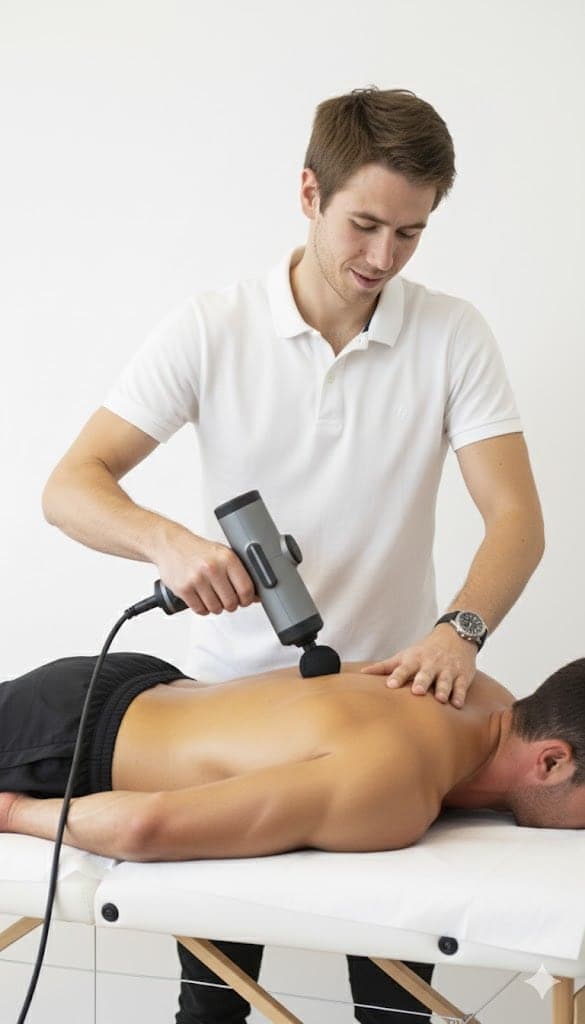
Written by
Chris
Massage therapist, nutrition and exercise physiologist
Norwegian-certified with a Bachelor’s in Physical Education and Nutrition and over ten years of clinical practice, working from a portable table in clients’ homes across the Paphos district.
This article is general information, not a medical diagnosis. If you have severe, worsening or unexplained pain, numbness, weakness, or pain after an accident, see a doctor first.