
On-demand massage services: the evolution of therapeutic treatment
In short
Discover how advanced on-demand massage services deliver superior results through precision mechanical deep-tissue techniques, transforming pain relief from temporary fixes to lasting solutions.
I remember the exact moment I realized traditional massage therapy was fundamentally flawed. It was 2018, and I had just finished treating a professional cyclist who’d been struggling with chronic IT band syndrome for months. She’d seen countless therapists, spent thousands on treatments, yet kept returning with the same complaints. That’s when it hit me – we weren’t addressing the root mechanical dysfunction; we were merely providing temporary symptom relief.
After completing my Bachelor’s degree in Physical Education and Nutrition from Norway and spending the last decade specializing in advanced body mechanics, I’ve witnessed firsthand how on-demand massage services are revolutionizing therapeutic treatment. But here’s what most people don’t understand: not all on-demand services are created equal. The difference between a relaxation session and genuine therapeutic intervention lies in methodology, precision, and the practitioner’s understanding of biomechanical dysfunction.
Today’s on-demand massage services represent a paradigm shift from the traditional spa model to results-driven, scientific approaches that prioritize lasting pain resolution over temporary comfort. When executed properly, these services don’t just come to your location – they bring advanced therapeutic technology and clinical expertise directly to where you need it most.
The science behind advanced on-demand massage methodology
Traditional massage therapy operates on outdated principles. Most practitioners rely solely on manual techniques that, while well-intentioned, are inherently limited by human physiological constraints. The average therapist can only penetrate 1-2 inches into muscle tissue with sustainable pressure, leaving deeper fascial adhesions and trigger points completely untouched. This is why clients experience temporary relief but find themselves booking appointments every few weeks indefinitely.
My approach fundamentally challenges this model through precision mechanical intervention. After years of studying biomechanics and treating over 2,000 clients, I developed a methodology centered on three core principles: precision, power, and consistency. This isn’t massage as entertainment or relaxation – this is mechanical problem-solving applied to human anatomy.
The specialized equipment I utilize delivers consistent pressure at depths impossible to achieve manually. We’re talking about 4-6 inches of penetration into muscle tissue, reaching the myofascial layers where chronic tension actually originates. This depth allows us to address the mechanical dysfunction causing your symptoms, not just the surface-level tension that manifests as discomfort.
Consider the biomechanics of chronic shoulder impingement. The issue rarely stems from the deltoid or trapezius muscles that hurt – it originates from fascial restrictions in the thoracolumbar fascia, creating compensatory patterns that eventually manifest as shoulder pain. Traditional massage treats the painful area; advanced mechanical therapy treats the causative restriction. This distinction transforms outcomes from temporary to lasting.
Understanding the on-demand service delivery model
The logistics of professional on-demand massage services require sophisticated planning and equipment management. When I arrive at a client’s location, I’m not carrying a portable table and some oil – I’m bringing a complete therapeutic setup including a professional treatment bench, precision mechanical equipment, and diagnostic tools necessary for comprehensive assessment.
Location selection within your space becomes crucial for optimal treatment outcomes. I need approximately 8×10 feet of clear space, preferably with hard flooring for equipment stability. The environment must allow for complete client relaxation while accommodating the mechanical requirements of deep-tissue intervention. Temperature control, lighting, and acoustics all influence treatment effectiveness in ways most practitioners overlook.
The initial assessment phase typically requires 15-20 minutes before any hands-on work begins. I’m evaluating postural deviations, range of motion limitations, and identifying compensation patterns that contribute to your primary complaints. This isn’t small talk – this is clinical data collection that determines treatment protocols and expected outcomes.
Professional on-demand services also require sophisticated scheduling systems to manage travel time, equipment setup, and the physical demands of delivering multiple high-intensity treatments daily. The practitioner must maintain peak performance across all sessions, which is why consistency becomes such a critical factor in service selection.
The critical difference between relaxation and therapeutic intervention
Here’s what frustrates me about the massage industry: the persistent confusion between therapeutic intervention and relaxation services. Most clients seeking on-demand massage have been conditioned to expect the spa experience – dimmed lights, soft music, and gentle pressure designed to promote relaxation. This approach has its place, but it’s fundamentally incompatible with addressing mechanical dysfunction and chronic pain patterns.
Therapeutic intervention requires different expectations, different tolerance levels, and different outcome measurements. When I’m treating chronic thoracic outlet syndrome or addressing years of postural adaptation from desk work, the process isn’t always comfortable in the traditional sense. We’re mechanically disrupting fascial adhesions and breaking down scar tissue that’s been accumulating for years.
The distinction becomes clear in treatment intensity and duration. Relaxation massage typically maintains consistent, light-to-moderate pressure throughout the session. Therapeutic mechanical intervention varies pressure dynamically based on tissue response, sometimes requiring sustained deep pressure for 3-5 minutes on specific trigger points. The discomfort is purposeful and productive, not incidental.
I often explain to new clients that we’re essentially performing manual physical therapy with mechanical assistance. The goal isn’t to leave feeling relaxed – it’s to leave with improved range of motion, reduced pain levels, and restored functional movement patterns. These outcomes may take 24-48 hours to fully manifest as tissues adapt to their new alignment.
Advanced mechanical techniques versus traditional manual methods
The limitations of manual massage become apparent when dealing with chronic conditions or athletic performance optimization. Human hands, regardless of training, fatigue within 10-15 minutes of sustained deep pressure application. This creates inconsistency in treatment depth and pressure throughout the session, compromising therapeutic outcomes.
Mechanical intervention eliminates these variables entirely. The specialized equipment I utilize maintains precise pressure parameters for extended periods, allowing for complete fascial release in areas that would be impossible to address manually. We’re not replacing human expertise – we’re augmenting it with technological precision.
The depth differential is particularly significant when treating conditions like chronic low back pain or hip impingement. Manual techniques might address superficial muscle tension in the erector spinae or gluteus maximus, but the deeper stabilizing muscles – multifidus, rotatores, psoas major – remain untouched. These deep stabilizers are often the primary source of dysfunction, and they require mechanical assistance for effective treatment.
Consistency represents perhaps the most crucial advantage. Every session delivers identical pressure, depth, and duration parameters. There are no “off days” where the practitioner feels fatigued or distracted. This consistency is essential for progressive treatment plans where each session builds upon previous work toward specific functional outcomes.
The precision aspect allows for millimeter-level targeting of specific anatomical structures. When treating lateral epicondylitis (tennis elbow), I can isolate the extensor carpi radialis brevis insertion point and deliver sustained mechanical pressure specifically to that tissue, rather than applying general pressure to the entire forearm musculature.
Client preparation and expectation management
Successful on-demand therapeutic massage requires active client participation in preparation and recovery phases. This isn’t a passive experience where you simply lie down and receive treatment. I provide specific pre-treatment protocols including hydration requirements, movement preparation, and mental readiness for intensive therapeutic work.
Hydration becomes critical because deep mechanical work releases metabolic waste products and inflammatory compounds that must be efficiently processed and eliminated. I recommend 16-20 ounces of water 2 hours before treatment, avoiding caffeine which can increase muscle tension and interfere with treatment effectiveness.
Post-treatment protocols are equally important for optimal outcomes. The 24-48 hours following intensive mechanical intervention represent a critical adaptation period where tissues reorganize according to their new alignment. Specific movement patterns, stretching sequences, and activity modifications during this period significantly influence long-term results.
Pain expectations require careful management. Unlike relaxation massage where discomfort indicates a problem, therapeutic mechanical intervention often involves productive discomfort as we address years of accumulated dysfunction. I use a 1-10 scale where therapeutic work typically occurs at levels 6-8 – intense but manageable, productive rather than harmful.
The timeline for results varies significantly based on condition severity and chronicity. Acute issues (less than 6 weeks duration) often respond within 2-3 sessions. Chronic conditions (6+ months duration) typically require 6-8 sessions for significant improvement. These aren’t arbitrary numbers – they reflect the physiological realities of tissue adaptation and neurological reprogramming.
Technology integration in modern massage services
The technological revolution in massage therapy extends far beyond mechanical treatment tools. Professional on-demand services now integrate sophisticated assessment technologies, treatment tracking systems, and outcome measurement protocols that were previously available only in clinical settings.
Digital posture analysis allows for objective measurement of postural deviations and tracking improvement over time. Instead of relying on subjective observations, I can quantify forward head posture, pelvic tilt angles, and shoulder elevation differences with millimeter precision. This data drives treatment protocols and provides objective evidence of improvement.
Pressure mapping technology ensures consistent treatment intensity across sessions and between different body areas. The mechanical equipment I utilize provides real-time feedback on pressure application, allowing for precise replication of effective treatment parameters. This eliminates guesswork and ensures optimal therapeutic stimulus without tissue damage.
Treatment documentation systems track every session parameter including areas treated, pressure levels used, client responses, and functional improvements observed. This comprehensive data collection allows for sophisticated treatment plan adjustments and provides clear evidence of progress for both client and practitioner.
The integration of these technologies transforms massage from an art-based practice to a science-driven intervention. We’re no longer relying on intuition and experience alone – we’re combining human expertise with technological precision for superior outcomes.
Addressing chronic pain versus acute injury management
The approach to chronic pain management through on-demand massage services differs fundamentally from acute injury treatment. Chronic pain typically involves complex neurological sensitization patterns, compensation mechanisms, and psychological components that require sophisticated treatment strategies extending beyond simple tissue manipulation.
When treating chronic conditions like fibromyalgia or chronic fatigue syndrome, I’m not just addressing muscle tension – I’m working to reset dysfunctional pain processing patterns in the central nervous system. This requires sustained, precise pressure application to specific neurological pathways, combined with movement re-education and lifestyle modification protocols.
Chronic low back pain exemplifies the complexity involved. The pain might manifest in the lumbar region, but the causative factors often include thoracic hypomobility, hip flexor restrictions, and deep abdominal weakness. Effective treatment requires addressing all contributing factors in proper sequence, not just working on the area that hurts.
Acute injury management focuses on different objectives: controlling inflammation, preventing secondary injury, and maintaining range of motion during the healing process. The treatment intensity and techniques used for acute conditions are typically less aggressive than those required for chronic dysfunction.
The timeframe expectations also differ significantly. Acute injuries often respond rapidly to appropriate treatment – sometimes showing dramatic improvement within a single session. Chronic conditions require patience and persistence, with gradual improvement over weeks or months as dysfunctional patterns are systematically corrected.
Athletic performance optimization through targeted massage
Elite athletic performance demands a fundamentally different approach to massage therapy than general wellness or pain management. Athletes require services that enhance power output, improve recovery efficiency, and prevent performance-limiting injuries. This demands understanding of sport-specific movement patterns, training periodization, and competitive demands.
Pre-competition preparation involves precise activation of key muscle groups while maintaining optimal range of motion without inducing fatigue. The timing, intensity, and duration of pre-event massage can significantly influence competitive performance. Too aggressive, and you compromise power output; too gentle, and you fail to optimize neuromuscular function.
Post-competition recovery protocols focus on metabolic waste removal, inflammation control, and preventing delayed-onset muscle soreness that could interfere with subsequent training sessions. The mechanical techniques I utilize accelerate lymphatic drainage and enhance circulation more effectively than manual methods alone.
Sport-specific treatment protocols address the unique demands of different athletic activities. Cyclists require focused attention to hip flexor length, thoracic spine mobility, and grip strength maintenance. Runners need comprehensive lower extremity assessment with particular emphasis on kinetic chain function and impact absorption capacity.
Performance monitoring through objective measurements becomes crucial for athletes. Range of motion assessments, strength testing, and movement quality evaluation provide quantifiable data on treatment effectiveness. We’re not just asking if they feel better – we’re measuring whether they move better and perform better.
The economics of professional on-demand massage services
Understanding the true cost structure of professional on-demand massage services requires looking beyond the per-session fee to consider long-term value and outcome achievement. Quality therapeutic intervention represents an investment in functional capacity, not an expense for temporary comfort.
The comprehensive nature of professional services includes assessment time, treatment planning, follow-up protocols, and outcome tracking that extends far beyond the hands-on treatment period. When you engage my services, you’re accessing a decade of specialized education and experience, not just purchasing time.
Compare the economics of effective treatment versus ongoing management. Traditional massage might cost the per-session price with weekly appointments indefinitely – potentially a substantial sum annually with no lasting resolution. Professional therapeutic intervention might require the per-session price for 6-8 sessions, totaling a wide range of costs for lasting resolution.
The productivity impact of chronic pain extends far beyond direct medical costs. Lost work days, reduced performance capacity, and diminished quality of life create hidden costs that effective treatment eliminates. One client, a software executive, calculated that resolving his chronic neck pain increased his daily productivity enough to justify the entire treatment investment within six weeks.
Insurance coverage varies significantly for on-demand services. Many policies cover therapeutic massage when prescribed by a physician for specific medical conditions. The key is proper documentation and medical necessity establishment, which professional practitioners can provide through comprehensive assessment and treatment documentation.
Quality indicators for selecting on-demand massage providers
The proliferation of on-demand massage services has created a wide quality spectrum, making provider selection critical for achieving desired outcomes. Educational background, specialized training, and treatment philosophy serve as primary differentiators between relaxation services and therapeutic intervention.
Formal education in anatomy, physiology, and biomechanics provides the foundation for effective therapeutic work. My Bachelor’s degree in Physical Education and Nutrition from Norway included extensive coursework in human movement science, exercise physiology, and injury prevention that directly applies to therapeutic massage practice.
Specialized equipment and technology integration indicate serious commitment to results-driven practice. Practitioners using manual techniques exclusively are limited by human physiological constraints that compromise treatment effectiveness for chronic conditions and performance optimization.
Treatment philosophy reveals the practitioner’s approach to client care. Does the provider focus on symptom relief or causative factor elimination? Do they offer ongoing wellness maintenance or lasting problem resolution? These philosophical differences translate directly into treatment outcomes and long-term value.
Client testimonials and outcome tracking demonstrate real-world effectiveness. Look for specific, measurable improvements rather than general satisfaction statements. “Eliminated chronic headaches after 15 years” carries more weight than “felt very relaxed afterward.”
Professional liability insurance and continuing education commitments indicate dedication to safe, current practice. The field of therapeutic massage continues evolving, and quality practitioners invest in ongoing education to maintain cutting-edge knowledge and technique proficiency.
Common misconceptions about on-demand massage therapy
The most persistent misconception about massage therapy involves the relationship between pressure intensity and treatment effectiveness. Many clients believe that gentle pressure is always preferable and that discomfort indicates improper technique. This belief system prevents many people from accessing the intensive therapeutic work necessary for chronic condition resolution.
Another common misunderstanding involves treatment frequency requirements. The spa industry has conditioned clients to expect weekly or monthly maintenance sessions indefinitely. Quality therapeutic intervention should progressively reduce treatment frequency as functional improvements are achieved and maintained.
The confusion between massage therapy and physical therapy creates unrealistic expectations about treatment scope and professional boundaries. While there’s significant overlap in addressing musculoskeletal dysfunction, massage therapists cannot diagnose medical conditions or prescribe exercise protocols beyond their scope of practice.
Many people assume that all massage practitioners possess equivalent knowledge and skill levels. The reality is dramatic variation in education, experience, and specialization. Selecting a practitioner based solely on convenience or cost often results in ineffective treatment and wasted resources.
The belief that massage therapy provides only temporary benefits reflects experience with relaxation services rather than therapeutic intervention. Properly executed mechanical therapy creates lasting changes in tissue structure and function that don’t require ongoing maintenance once achieved.
Integration with healthcare and wellness systems
Modern healthcare increasingly recognizes massage therapy as legitimate medical intervention for specific conditions. Integration with primary care physicians, physical therapists, and other healthcare providers creates comprehensive treatment approaches that address complex conditions more effectively than any single modality.
Collaboration with physical therapists proves particularly valuable for clients with chronic pain or movement dysfunction. Physical therapy addresses strength and stability deficits while massage therapy resolves fascial restrictions and trigger points that limit movement quality. This combined approach accelerates recovery and prevents condition recurrence.
Communication with primary care physicians ensures appropriate medical screening and condition management. Certain medical conditions require modified treatment approaches or physician clearance before intensive massage therapy. Professional practitioners maintain relationships with healthcare providers to ensure safe, effective treatment delivery.
Corporate wellness programs increasingly include on-demand massage services as employee benefits. The productivity improvements and healthcare cost reductions associated with effective pain management create positive return on investment for employers while providing valuable benefits for employees.
Integration with fitness and training programs optimizes athletic performance and prevents overuse injuries. Coaches, trainers, and massage therapists working collaboratively can identify developing problems before they become performance-limiting injuries.
Frequently asked questions about on-demand massage services
How does on-demand massage differ from spa treatments in terms of therapeutic outcomes? On-demand massage services focus on specific therapeutic objectives rather than general relaxation. Professional practitioners use advanced assessment techniques to identify causative factors behind pain and dysfunction, then apply targeted mechanical interventions to create lasting improvements. Spa treatments prioritize comfort and relaxation but rarely address underlying biomechanical issues. The difference lies in methodology, equipment utilization, and outcome expectations. Therapeutic on-demand services measure success through functional improvements and pain reduction rather than subjective comfort levels.
What qualifications should I look for when selecting an on-demand massage provider? Educational background in anatomy, physiology, and human movement science provides the foundation for effective therapeutic work. Look for practitioners with formal degrees in related fields, specialized training in advanced techniques, and experience treating your specific condition. Professional liability insurance, continuing education commitments, and outcome tracking systems indicate serious dedication to results-driven practice. Avoid providers who focus primarily on relaxation services if you’re seeking therapeutic intervention for chronic pain or performance optimization.
How many sessions are typically required for chronic pain resolution? Treatment duration depends on condition severity, chronicity, and individual response factors. Acute issues (less than 6 weeks duration) often respond within 2-3 sessions. Chronic conditions (6+ months duration) typically require 6-8 sessions for significant improvement. Complex cases involving multiple compensation patterns may require 10-12 sessions. The key is progressive improvement with each session building upon previous work toward specific functional outcomes rather than indefinite maintenance therapy.
What should I expect during an advanced mechanical massage session? Professional sessions begin with comprehensive assessment including postural analysis, range of motion testing, and functional movement evaluation. Treatment involves precise mechanical pressure application at depths impossible to achieve manually, focusing on causative factors rather than symptom areas. Expect productive discomfort at levels 6-8 on a 10-point scale as we address years of accumulated dysfunction. Post-treatment protocols include specific movement patterns and activity modifications to optimize tissue adaptation and prevent regression.
How do I prepare my space for on-demand massage services? Professional on-demand services require approximately 8×10 feet of clear space, preferably with hard flooring for equipment stability. Temperature should be maintained at 72-75 degrees with minimal ambient noise and adequate lighting for assessment procedures. Remove fragile items and ensure easy access for equipment setup. The practitioner provides all necessary equipment including professional treatment bench and mechanical tools, but optimal environmental conditions enhance treatment effectiveness.
What makes mechanical massage superior to traditional manual techniques? Mechanical intervention eliminates human physiological limitations that compromise treatment consistency and depth. Manual techniques can only penetrate 1-2 inches into muscle tissue with sustainable pressure, leaving deeper fascial adhesions untouched. Mechanical tools maintain precise pressure for extended periods, allowing complete fascial release in areas impossible to address manually. This consistency ensures identical treatment parameters across all sessions, eliminating variables that affect outcome predictability.
Can on-demand massage services replace physical therapy for injury rehabilitation? Massage therapy and physical therapy serve complementary but distinct roles in injury rehabilitation. Physical therapy addresses strength deficits, movement pattern dysfunction, and provides exercise prescription within medical treatment protocols. Massage therapy resolves fascial restrictions, trigger points, and tissue quality issues that limit movement and cause pain. Combined approaches typically produce superior outcomes compared to either modality alone, particularly for complex chronic conditions.
How do I know if I need relaxation massage or therapeutic intervention? If your primary goal is stress reduction and general wellness, relaxation massage provides appropriate benefits. If you’re dealing with chronic pain, movement limitations, athletic performance issues, or specific injury-related dysfunction, therapeutic intervention is necessary. The key difference lies in outcome expectations: relaxation services provide temporary comfort while therapeutic services create lasting functional improvements. Most people seeking ongoing weekly massage actually need intensive therapeutic work to resolve underlying issues.
Evidence and limits
Massage may help with some symptoms, but benefits and evidence vary by condition. It does not replace medical assessment or treatment. A page update is not evidence of an independent clinical review.
Further reading: Massage therapy: evidence, safety and limitations by US National Center for Complementary and Integrative Health. This is general background reading, not verification of every claim in this article.
How we describe evidence and updates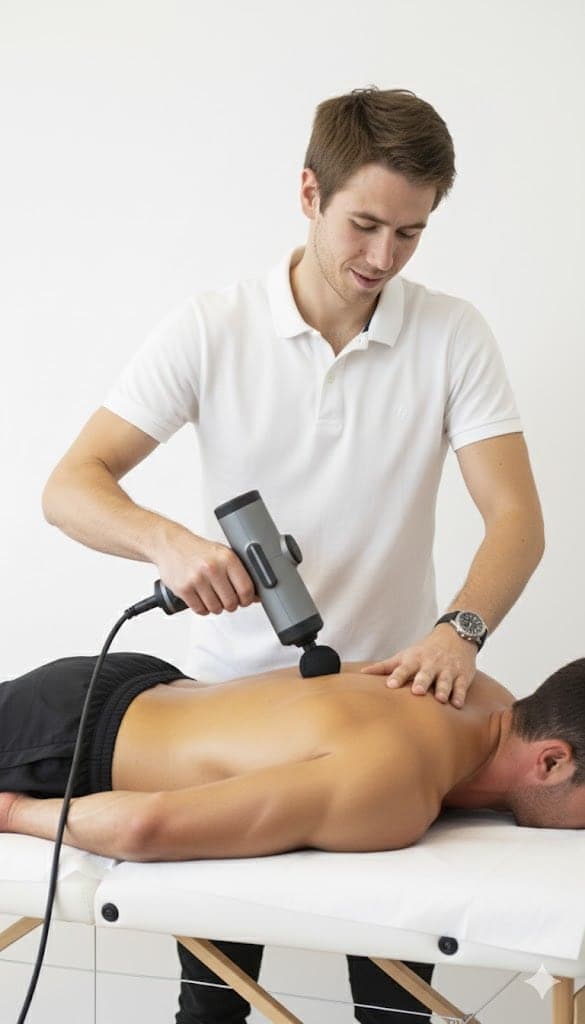
Written by
Chris
Massage therapist, nutrition and exercise physiologist
Norwegian-certified with a Bachelor’s in Physical Education and Nutrition and over ten years of clinical practice, working from a portable table in clients’ homes across the Paphos district.
This article is general information, not a medical diagnosis. If you have severe, worsening or unexplained pain, numbness, weakness, or pain after an accident, see a doctor first.