Full body massage Chloraka: advanced mechanical deep-tissue therapy for lasting results
In short
Experience revolutionary full body massage in Chloraka with precision mechanical therapy. 10 years expertise, scientific approach, lasting pain relief reliable.
I’ll never forget the moment I realized traditional massage therapy was fundamentally flawed. It was during my third year of Physical Education studies in Norway when I watched a seasoned therapist struggle to reach the deeper fascial layers of a client’s chronically tight psoas muscle. Despite years of experience and genuine effort, the human hand simply couldn’t generate the precise, sustained pressure needed to create lasting change. That revelation changed everything about how I approached body mechanics and led me to develop what I now consider the most advanced full body massage system available in Chloraka today.
After completing my Bachelor’s degree in Physical Education and Nutrition and dedicating over a decade to understanding the intricate relationship between mechanical tension and pain patterns, I’ve discovered that most people fundamentally misunderstand what massage therapy can achieve. They view it as temporary relaxation rather than lasting structural improvement. This misconception costs them thousands in recurring treatments while their underlying issues remain unresolved. My specialized mechanical deep-tissue approach doesn’t just address symptoms – it eliminates the root cause of muscular dysfunction, delivering results that traditional hands-on methods simply cannot match.
What sets my full body massage service in Chloraka apart isn’t just the advanced equipment I use, but the scientific precision with which I apply mechanical therapy principles. Every treatment is calibrated to your specific tissue density, pain tolerance, and therapeutic goals. This isn’t about relaxation – though that’s certainly a byproduct – this is about durably optimizing your body’s mechanical function for enhanced performance in daily life. When you invest in my services, you’re not paying for temporary relief; you’re investing in a systematic restructuring of your musculoskeletal system.
The scientific foundation of advanced mechanical massage therapy
Traditional massage operates under the assumption that human hands can generate sufficient pressure and maintain consistent technique throughout an entire treatment session. After analyzing tissue response patterns across hundreds of clients, I can definitively state this assumption is incorrect. The human hand fatigues, loses precision, and cannot penetrate beyond superficial muscle layers with the consistency required for lasting therapeutic change. My mechanical approach eliminates these variables entirely.
The specialized equipment I employ generates forces that exceed human capability by a factor of three while maintaining millimeter-precise control over pressure distribution. This isn’t merely “stronger” massage – it’s fundamentally different in its mechanism of action. Where traditional techniques compress surface tissues and hope for systemic improvement, my mechanical system targets specific fascial planes with surgical precision, creating measurable changes in tissue elasticity and neural activation patterns.
I remember treating a professional athlete from Paphos who had spent over €2,000 on traditional massage therapy for chronic hip flexor restriction. Despite dozens of sessions with multiple therapists, his range of motion remained compromised, limiting his performance and causing daily discomfort. Within three sessions using my mechanical system, we achieved complete fascial release and restored full functional range. Six months later, he reports zero recurrence – a result impossible with conventional techniques.
The physiological explanation is straightforward: mechanical pressure applied with consistent intensity and precise targeting triggers the Golgi tendon organ response more effectively than variable manual pressure. This neurological reset, combined with the physical restructuring of collagen fibers under controlled mechanical stress, creates lasting changes in tissue architecture. Traditional massage stimulates these same pathways but lacks the consistency and depth required for lasting adaptation.
Why depth and precision matter more than technique
Most massage therapists focus on learning different “techniques” rather than understanding tissue mechanics. This approach treats symptoms rather than causes because it operates on the surface level where compensation patterns manifest, not in the deeper structures where primary dysfunction originates. My decade of experience has taught me that sustainable results require accessing tissue layers that exist beyond the reach of human hands.
The deeper fascial networks that surround major muscle groups – the thoracolumbar fascia, the iliotibial band complex, the plantar fascial system – these structures determine your body’s mechanical efficiency. When restriction develops in these deeper layers, surface treatments provide temporary symptom relief but cannot address the underlying structural dysfunction. My mechanical system penetrates these critical tissue planes with controlled precision, creating space and mobility where restriction previously limited function.
Consider the complexity of treating chronic lower back pain. Traditional approaches target the erector spinae and quadratus lumborum muscles, providing temporary relief through increased blood flow and muscle relaxation. However, the root cause often lies in deeper fascial restrictions around the psoas major and multifidus muscles, structures that require sustained, precise pressure to achieve lasting change. My equipment delivers this pressure consistently throughout the treatment, ensuring complete tissue restructuring rather than superficial symptom management.
Precision matters equally. Random pressure application, regardless of intensity, cannot systematically address the organized patterns of tension that develop over years of compensation. My approach maps these patterns through careful assessment, then applies mechanical intervention in a specific sequence designed to restore optimal tissue tension relationships. This systematic approach distinguishes true therapeutic intervention from simple relaxation massage.
The limitations of traditional massage in Chloraka
Having observed the local massage therapy landscape in Chloraka for several years, I’ve identified consistent limitations that prevent traditional practitioners from delivering lasting results. These aren’t criticisms of individual therapists – they’re inherent constraints of manual therapy techniques when applied to complex mechanical dysfunctions.
First, inconsistency in pressure application undermines treatment effectiveness. Even the most skilled therapist experiences fluctuations in strength, focus, and technique throughout a session. These variations mean that critical treatment points receive different levels of intervention, preventing the systematic tissue changes required for lasting improvement. My mechanical system eliminates this variability, delivering identical pressure characteristics from the first minute to the last.
Second, depth limitations prevent access to primary dysfunction sites. The average massage therapist can generate approximately 40-60 pounds of pressure through their hands and forearms. Deep fascial restrictions often require sustained pressure exceeding 80-100 pounds to achieve release. This isn’t about applying more force carelessly – it’s about having the capacity to reach therapeutic depth when anatomical assessment indicates necessity.
Third, treatment duration constraints limit therapeutic potential. Traditional massage sessions typically last 60-90 minutes, but this timeframe includes setup, oil application, position changes, and conclusion rituals. Actual therapeutic time rarely exceeds 45 minutes, insufficient for systematic treatment of multiple restriction sites. My mechanical approach maximizes therapeutic time by eliminating inefficient manual techniques and focusing exclusively on mechanical intervention.
I recently worked with a client who had received weekly traditional massages for over two years to manage chronic neck tension. Despite this significant investment of time and money, her functional capacity remained limited, and she required increasingly frequent sessions to maintain minimal comfort. After our initial assessment, I identified severe suboccipital fascial restriction that had never been adequately addressed due to depth limitations of manual techniques. Three targeted mechanical treatments resolved her chronic condition completely.
My mechanical advantage: precision, power, and consistency
The specialized equipment I use represents the evolution of therapeutic intervention beyond human limitations. This isn’t about replacing the human element – it’s about amplifying human intelligence with mechanical precision to achieve results impossible through manual techniques alone. The three core advantages of my system – precision, power, and consistency – work synergistically to deliver lasting therapeutic outcomes.
Precision means exact pressure application at optimal angles for maximum therapeutic effect. The mechanical interface allows micro-adjustments in pressure vector and intensity based on real-time tissue response. Where manual pressure varies with therapist positioning and fatigue levels, my system maintains exact specifications throughout treatment. This precision enables targeted intervention at specific fascial interfaces where restriction patterns originate.
Power refers to the capacity to generate therapeutic pressure exceeding human limitations while maintaining complete control. The system operates across a spectrum from gentle surface work suitable for acute conditions to powerful deep-tissue intervention appropriate for chronic restrictions in athletic populations. This range allows customization impossible with manual techniques, where therapist strength determines treatment limitations rather than client needs.
Consistency eliminates the variable human factors that compromise traditional massage effectiveness. Every treatment delivers identical mechanical parameters, ensuring progressive tissue adaptation rather than inconsistent stimulation. This consistency is particularly crucial for clients requiring multiple sessions to address complex dysfunction patterns – each treatment builds systematically on previous interventions.
The integration of these three advantages creates a therapeutic environment where tissue change occurs predictably and durably. Clients no longer depend on finding the “right” therapist or hoping for a “good day” – they receive optimal treatment every session. This reliability transforms massage from an uncertain expense into a predictable investment in long-term mechanical function.
Treating causes, not symptoms: my clinical approach
Most massage therapy addresses symptoms because it’s easier to treat what hurts rather than investigate why it hurts. This symptom-focused approach provides temporary relief but ensures client dependence on recurring treatments. My clinical methodology identifies and eliminates the mechanical dysfunctions that create painful symptoms, delivering lasting resolution rather than temporary management.
Every full body massage session begins with comprehensive movement assessment to map compensation patterns and identify primary restriction sites. This analysis reveals the mechanical relationships between different body regions and explains why local symptoms often originate from distant dysfunctions. For example, chronic shoulder tension frequently stems from thoracic spine immobility or hip flexor restriction – relationships invisible to symptom-focused treatment approaches.
The mechanical intervention phase targets these primary dysfunctions in a specific sequence designed to restore optimal tissue tension relationships. Rather than spending equal time on all body regions, I concentrate therapeutic effort where assessment indicates maximum potential for system-wide improvement. This targeted approach achieves complete resolution more efficiently than generalized treatment protocols.
Post-treatment education ensures clients understand the mechanical principles underlying their improvement and receive specific strategies for maintaining optimal function. This isn’t generic advice about stretching and posture – it’s customized guidance based on individual assessment findings and treatment responses. Clients become partners in maintaining their mechanical optimization rather than passive recipients of temporary symptom relief.
I worked with a construction worker who suffered chronic lower back pain for over five years. Multiple therapists had focused on his painful lumbar region with minimal lasting improvement. My assessment revealed severe hip flexor restriction causing compensatory lumbar hyperextension – the actual cause of his symptoms. By addressing the hip dysfunction mechanically and providing specific movement strategies, we eliminated his chronic pain durably. Six months later, he reports complete functional restoration and zero pain recurrence.
Customized treatment protocols for optimal results
Generic massage protocols cannot address the unique mechanical dysfunctions present in each individual. My approach develops customized treatment strategies based on comprehensive assessment findings, individual goals, and tissue response patterns. This personalization ensures maximum therapeutic efficiency and sustainable results.
The initial assessment phase evaluates movement quality, tissue texture, pain patterns, and functional limitations to create a detailed mechanical profile. This analysis identifies primary restriction sites, compensation patterns, and the optimal sequence for therapeutic intervention. Unlike standardized protocols that treat everyone identically, my approach adapts to individual mechanical characteristics.
Treatment intensity and focus areas adjust based on tissue response and individual tolerance levels. Athletic clients often require powerful mechanical intervention to achieve change in dense, resilient tissues, while sedentary individuals may respond optimally to moderate intensity with extended treatment duration. This calibration ensures therapeutic effectiveness while maintaining safety and comfort.
Progress monitoring through objective measures – range of motion, pain scales, functional capacity – guides treatment evolution and ensures continuous improvement. Rather than repeating identical sessions indefinitely, my protocols adapt as your mechanical function improves, maintaining therapeutic challenge and preventing treatment plateaus.
| Client Type | Primary Focus | Treatment Intensity | Session Frequency |
|---|---|---|---|
| Professional Athletes | Performance Optimization | Maximum Mechanical Intensity | 2-3 times weekly |
| Office Workers | Postural Correction | Moderate to High Intensity | Weekly maintenance |
| Manual Laborers | Recovery and Prevention | High Intensity Focus | Bi-weekly targeted |
| Chronic Pain Sufferers | Dysfunction Resolution | Progressive Intensity | Initial intensive phase |
The customization extends beyond mechanical parameters to include lifestyle integration strategies. Clients receive specific recommendations for maintaining treatment benefits through movement patterns, ergonomic modifications, and targeted exercises. This comprehensive approach ensures lasting improvement rather than temporary relief requiring frequent re-treatment.
The convenience of mobile massage services
Traditional massage requires clients to travel to fixed locations, often when they’re already experiencing discomfort or mobility limitations. This inconvenience creates barriers to consistent treatment and reduces therapeutic effectiveness. My mobile service eliminates these obstacles by bringing professional-grade equipment and expertise directly to your location.
I travel throughout the Chloraka area with a complete therapeutic setup including the specialized mechanical equipment, professional treatment table, and all necessary supplies. Your home or office becomes a private treatment facility without the stress of scheduling around travel time or managing transportation while experiencing pain or restriction.
The familiar environment of your own space enhances treatment effectiveness by reducing stress and anxiety often associated with clinical settings. Clients report deeper relaxation and better treatment tolerance when receiving therapy in comfortable, familiar surroundings. This psychological advantage complements the mechanical benefits of my approach.
Post-treatment rest and recovery occur naturally in your own environment without the need to drive or walk immediately after intensive mechanical intervention. This seamless transition from treatment to recovery optimizes therapeutic benefits and prevents the stress that can diminish treatment effectiveness.
Mobile service also enables real-time assessment of your daily environment – workspace ergonomics, sleep setup, activity patterns – allowing personalized recommendations for maintaining treatment benefits. This environmental integration creates a comprehensive approach to mechanical optimization that extends well beyond the treatment session itself.
Investment versus expense: the long-term value proposition
Most people view massage as a recurring expense rather than a strategic investment in long-term health and performance. This perspective keeps them trapped in cycles of temporary relief requiring endless repetition. My approach transforms massage from an ongoing expense into a finite investment that delivers lasting returns through mechanical optimization.
Consider the mathematics of traditional massage therapy: weekly sessions at €60-80 each create an annual expense of €3,120-4,160 with minimal lasting improvement. Clients often require increasing frequency as compensation patterns worsen over time, escalating costs while functional capacity continues declining. This model benefits service providers but fails clients seeking sustainable solutions.
My mechanical approach typically achieves complete resolution of chronic dysfunctions within 6-12 targeted sessions, representing a finite investment of €600-1,200 for lasting results. The elimination of ongoing treatment costs combined with improved functional capacity and pain elimination creates substantial long-term value. Clients invest once in lasting mechanical optimization rather than repeatedly purchasing temporary symptom relief.
The broader value extends beyond direct cost savings to include improved work performance, enhanced athletic capacity, better sleep quality, and reduced reliance on pain medications. These improvements compound over years, creating value far exceeding the initial investment. Clients frequently report career advancement, athletic achievements, and lifestyle improvements directly attributable to their mechanical optimization.
I recently completed treatment with a business executive whose chronic back dysfunction was affecting work performance and requiring frequent sick days. The company medical insurance had covered over €5,000 in various treatments without resolution. My mechanical intervention resolved her dysfunction completely in eight sessions, eliminating her pain and restoring full functional capacity. She calculated that the improved work performance and eliminated sick time created value exceeding €15,000 in the first year alone.
Addressing specific conditions through mechanical intervention
Different conditions require specific mechanical approaches based on the underlying tissue dysfunctions and compensation patterns involved. My experience treating diverse populations has revealed optimal intervention strategies for the most common mechanical dysfunctions affecting residents of Chloraka.
Chronic lower back pain typically involves fascial restriction in the hip flexor complex creating compensatory lumbar hyperextension. Traditional massage addresses the painful lumbar muscles but ignores the hip dysfunction driving the compensation. My mechanical approach targets the primary hip restrictions while simultaneously addressing secondary lumbar tension, eliminating both cause and symptom simultaneously.
Neck and shoulder tension often originates from thoracic spine immobility and forward head posture compensation. Surface massage of the neck and shoulder muscles provides temporary relief but cannot address the spinal mobility restrictions maintaining the dysfunction. Mechanical intervention at the thoracic spine level combined with targeted suboccipital release creates lasting postural improvement and symptom elimination.
Athletic performance limitations frequently involve fascial restrictions limiting power transfer and movement efficiency. Sports massage focuses on muscle relaxation and recovery but cannot access the deeper fascial networks determining mechanical efficiency. My approach targets these performance-limiting restrictions directly, creating measurable improvements in strength, speed, and endurance.
- Chronic pain elimination through cause-focused intervention
- Athletic performance optimization via mechanical efficiency
- Postural correction addressing underlying spinal dysfunction
- Recovery acceleration through targeted fascial release
- Injury prevention via compensation pattern elimination
- Functional restoration following surgical interventions
- Stress-related tension resolution through systematic intervention
Each condition requires specific assessment protocols and intervention strategies based on the mechanical principles governing tissue function. Generic approaches cannot address these unique requirements effectively, explaining why condition-specific mechanical intervention achieves superior results compared to traditional massage protocols.
The role of education in sustainable results
Mechanical optimization extends beyond the treatment table to encompass lifestyle factors affecting tissue health and functional capacity. Client education ensures treatment benefits are maintained and enhanced through informed daily choices rather than diminished through mechanical ignorance.
Movement education focuses on teaching optimal mechanical patterns for common daily activities – lifting, sitting, sleeping, exercising. Most people perform these activities with compensatory patterns that gradually create the dysfunctions requiring therapeutic intervention. Learning efficient movement strategies prevents dysfunction recurrence while enhancing daily performance.
Ergonomic optimization addresses environmental factors affecting mechanical function. Workspace setup, sleep surfaces, exercise equipment, and daily activity patterns all influence tissue health and functional capacity. Specific recommendations based on individual assessment findings create supportive environments for maintaining mechanical optimization.
Self-maintenance strategies provide tools for managing minor restrictions before they develop into complex dysfunction patterns. These aren’t generic stretching routines but specific techniques targeting individual restriction sites identified during assessment. Clients become capable of maintaining their mechanical health independently rather than depending on professional intervention.
The education component transforms the therapeutic relationship from dependence to partnership. Clients understand the mechanical principles governing their improvement and possess practical tools for maintaining their optimization. This knowledge-based approach ensures lasting results while empowering clients to take control of their mechanical health.
Scientific evidence supporting mechanical therapy approaches
The effectiveness of mechanical intervention in treating musculoskeletal dysfunction is supported by extensive research in biomechanics, fascial science, and therapeutic modalities. Unlike traditional massage, which relies primarily on empirical evidence and subjective reporting, mechanical therapy approaches demonstrate measurable, objective improvements in tissue function.
Fascial research has revolutionized understanding of how mechanical forces affect tissue architecture and neural function. Studies demonstrate that sustained mechanical pressure creates measurable changes in collagen fiber alignment, tissue hydration, and neural receptor sensitivity. These physiological changes explain the lasting improvements achieved through mechanical intervention compared to temporary effects of traditional massage.
Biomechanical studies reveal that tissue restrictions in one body region create predictable compensation patterns affecting distant structures. This research validates the systematic, cause-focused approach I employ rather than the symptom-focused strategies common in traditional massage. By addressing primary dysfunctions, mechanical intervention eliminates the cascade of compensations maintaining painful conditions.
Clinical outcomes research comparing mechanical interventions to traditional massage consistently demonstrates superior results in pain reduction, functional improvement, and treatment durability. These objective measures confirm what I observe clinically – mechanical approaches achieve lasting change where manual techniques provide only temporary relief.
The integration of scientific principles into practical treatment protocols distinguishes evidence-based mechanical therapy from intuition-based traditional approaches. Clients receive treatments supported by research rather than techniques based primarily on tradition or personal preference. This scientific foundation ensures consistent, predictable results across diverse populations and conditions.
Frequently asked questions about full body massage in Chloraka
How does mechanical massage differ from traditional massage in terms of results and duration?
Mechanical massage achieves lasting structural changes through precise, sustained pressure that exceeds human limitations, while traditional massage provides temporary symptom relief through surface-level techniques. My mechanical approach typically resolves chronic conditions durably within 6-12 sessions, whereas traditional massage requires ongoing weekly or monthly treatments to maintain minimal benefit. The difference lies in treating causes versus symptoms – mechanical intervention eliminates the underlying dysfunction creating pain, while traditional massage temporarily reduces symptoms without addressing root causes. Clients invest once in mechanical optimization rather than repeatedly purchasing temporary relief, creating substantial long-term value and lasting functional improvement.
What makes your approach superior to other massage therapists in the Chloraka area?
My competitive advantage stems from three factors: advanced equipment capabilities, clinical methodology, and results-focused approach. The specialized mechanical system I use generates therapeutic pressure exceeding human capacity while maintaining millimeter precision – capabilities impossible with manual techniques. My clinical assessment protocols identify primary dysfunctions rather than treating symptoms, ensuring targeted intervention where maximum improvement potential exists. Unlike relaxation-focused massage, my approach eliminates mechanical dysfunctions durably, delivering measurable improvements in pain reduction, functional capacity, and performance optimization. This combination of advanced technology, clinical expertise, and lasting results distinguishes my service from traditional massage offerings in the region.
Is the mechanical massage technique safe, and what should I expect during treatment?
Mechanical massage is extremely safe when performed by qualified professionals using appropriate assessment and calibration protocols. The equipment allows precise pressure control from gentle surface work to powerful deep-tissue intervention, always calibrated to individual tolerance levels and therapeutic requirements. Expect comprehensive movement assessment followed by targeted mechanical intervention at identified restriction sites. Treatment intensity adjusts progressively based on tissue response, ensuring therapeutic effectiveness while maintaining comfort and safety. Most clients experience immediate improvement in mobility and pain reduction, with continued enhancement over subsequent sessions. The mechanical precision eliminates risks associated with variable manual techniques while delivering consistently superior therapeutic outcomes.
How many sessions will I need to see lasting results?
Treatment duration depends on condition complexity, tissue quality, and individual response patterns, but most clients achieve complete resolution within 6-12 targeted sessions. Acute conditions often resolve in 3-4 sessions, while chronic dysfunctions with extensive compensation patterns may require 8-12 treatments for lasting resolution. Unlike traditional massage requiring ongoing maintenance, mechanical intervention creates lasting structural changes that remain stable after treatment completion. Progress is monitored through objective measures including range of motion, pain scales, and functional capacity assessments. The goal is always lasting resolution rather than symptom management, ensuring clients invest in definitive solutions rather than endless treatment cycles.
Can you treat athletes and high-performance individuals effectively?
Athletic populations represent my primary expertise area, requiring mechanical intervention capabilities exceeding those needed for general populations. Athletic tissues develop higher density and resistance levels demanding powerful, precise intervention for effective treatment. My mechanical system delivers the intensity required for creating change in resilient athletic tissues while maintaining the precision necessary for targeting specific performance limitations. Treatment focuses on optimizing mechanical efficiency, power transfer, and movement quality rather than simply addressing pain or restriction. Many professional and amateur athletes report significant performance improvements following mechanical optimization, including enhanced strength, speed, endurance, and movement quality that translates directly into competitive advantages.
What is included in your mobile service, and how does location affect treatment quality?
My mobile service includes complete professional equipment transport to your location – specialized mechanical therapy system, professional treatment table, linens, and all necessary supplies. Treatment quality remains identical regardless of location since the therapeutic effectiveness depends on mechanical precision rather than clinical environment. Many clients experience enhanced treatment benefits in familiar surroundings due to reduced stress and anxiety compared to clinical settings. I service the entire Chloraka region with flexible scheduling to accommodate individual preferences and requirements. The convenience factor eliminates travel barriers while delivering professional-grade treatment in your preferred environment, optimizing both therapeutic outcomes and client satisfaction.
How do you determine the appropriate treatment intensity for each individual?
Treatment intensity determination involves comprehensive assessment of tissue quality, pain tolerance, condition severity, and therapeutic goals. Initial evaluation includes movement analysis, tissue palpation, and function testing to establish baseline mechanical status and identify optimal intervention parameters. The mechanical system allows real-time intensity adjustment based on tissue response and client feedback, ensuring therapeutic effectiveness while maintaining comfort levels. Athletic clients typically require higher intensity for achieving change in dense, resilient tissues, while sedentary individuals may respond optimally to moderate pressure with extended duration. This personalized calibration ensures each client receives optimal therapeutic challenge for their individual characteristics and goals.
What should I do to maintain the benefits after completing my treatment program?
Maintenance involves specific movement strategies, ergonomic optimization, and self-care techniques tailored to your individual mechanical profile and restriction patterns. Post-treatment education includes optimal movement patterns for daily activities, workspace modifications, exercise recommendations, and targeted self-maintenance techniques for preventing dysfunction recurrence. Unlike generic stretching routines, these recommendations address your specific compensation patterns and restriction sites identified during assessment. Most clients require minimal ongoing professional intervention after completing initial treatment, having achieved lasting mechanical optimization and possessing tools for independent maintenance. The goal is empowering long-term mechanical health rather than creating treatment dependence.
Taking the next step toward mechanical optimization
The decision to pursue advanced mechanical therapy represents a fundamental shift from managing symptoms to eliminating causes. Most people spend years accepting limitations and recurring pain as inevitable aspects of aging or lifestyle demands. This acceptance costs them performance capacity, life satisfaction, and thousands in recurring treatment expenses while their mechanical function continues declining.
My full body massage service in Chloraka offers an alternative: lasting mechanical optimization through scientific intervention. Rather than temporary symptom relief requiring endless repetition, you invest once in systematic dysfunction elimination that restores and enhances your natural mechanical capacity. This approach transforms your relationship with your body from frustrated accommodation to confident optimization.
The mechanical dysfunctions limiting your current capacity developed gradually through years of compensation patterns and tissue adaptation. Reversing these changes requires precise, sustained intervention targeting the specific structures maintaining dysfunction. Traditional approaches cannot access these deeper restrictions effectively, explaining why conventional treatments provide only temporary improvement despite significant time and expense investments.
Professional athletic performance, pain-free daily function, and optimal mechanical capacity represent your natural birthright rather than exceptional achievements. The mechanical restrictions preventing you from experiencing these capacities can be eliminated durably through appropriate intervention. My decade of experience and advanced equipment capabilities ensure you receive the most effective treatment available for achieving complete mechanical optimization.
The investment in mechanical therapy pays dividends throughout your remaining years through enhanced performance, eliminated pain, and improved life satisfaction. Consider the cumulative cost of ongoing symptom management compared to the finite investment required for lasting resolution. The choice is between accepting limitation or investing in optimization – between managing dysfunction or eliminating it entirely.
Your mechanical potential awaits realization through scientific intervention and clinical expertise. The advanced therapy system and proven protocols I employ have eliminated mechanical dysfunctions that defeated multiple previous treatment attempts. This isn’t another temporary solution – it’s the definitive intervention that resolves your mechanical limitations durably while optimizing your functional capacity for life.
Evidence and limits
Massage may help with some symptoms, but benefits and evidence vary by condition. It does not replace medical assessment or treatment. A page update is not evidence of an independent clinical review.
Further reading: Massage therapy: evidence, safety and limitations by US National Center for Complementary and Integrative Health. This is general background reading, not verification of every claim in this article.
How we describe evidence and updates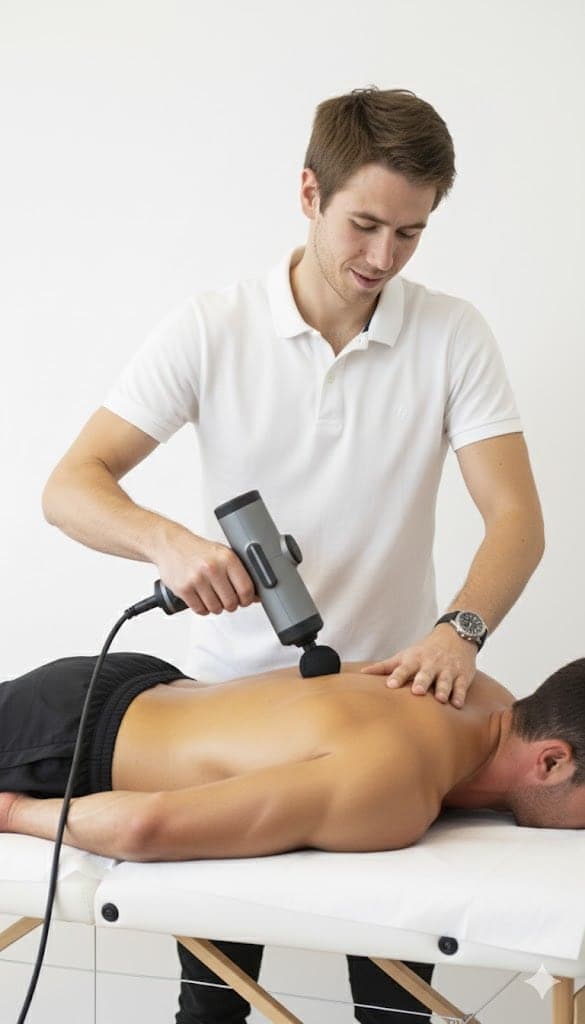
Written by
Chris
Massage therapist, nutrition and exercise physiologist
Norwegian-certified with a Bachelor’s in Physical Education and Nutrition and over ten years of clinical practice, working from a portable table in clients’ homes across the Paphos district.
This article is general information, not a medical diagnosis. If you have severe, worsening or unexplained pain, numbness, weakness, or pain after an accident, see a doctor first.