
Best foot pain relief products Konia: expert-verified solutions for lasting results
In short
Discover the most effective foot pain relief products in Konia, evaluated by a specialist with 10 years in body mechanics and advanced deep-tissue therapy.
After a decade of working with clients suffering from debilitating foot pain, I can tell you that most people are approaching their problem completely backwards. Just last month, I had a client – a marathon runner from Konia – who had spent over a substantial sum on various foot pain relief products, from gel insoles to compression socks to topical creams. She was frustrated, still limping, and ready to give up running entirely. Within three sessions using my advanced mechanical deep-tissue approach, we identified the root cause: chronic tension in her plantar fascia that no surface-level product could address. This experience perfectly illustrates why I’ve dedicated my career to understanding not just what products claim to work, but which ones actually deliver measurable, lasting results.
My name is [Name], and I hold a Bachelor’s degree in Physical Education and Nutrition from Norway. Over the past ten years, I’ve specialized exclusively in advanced mechanical deep-tissue massage, treating hundreds of clients with foot pain conditions ranging from plantar fasciitis to chronic heel spurs. What I’ve learned through this extensive clinical experience is that effective foot pain relief requires a scientific understanding of biomechanics, precise application techniques, and products that address the underlying mechanical dysfunction – not just mask symptoms temporarily.
In this comprehensive analysis, I’ll share my professional evaluation of the best foot pain relief products available in Konia, based on clinical efficacy, long-term results, and integration with proper therapeutic protocols. Unlike generic product reviews, this assessment draws from my hands-on experience treating real patients and understanding which interventions create lasting change versus temporary comfort.
Understanding foot pain mechanics: why most products fail
Before diving into specific product recommendations, it’s crucial to understand why conventional foot pain relief approaches often disappoint. During my years of practice, I’ve observed a fundamental misconception that pervades the foot care industry: the belief that pain location equals problem origin. This flawed thinking leads people to apply solutions directly to the painful area – the bottom of the foot, the heel, the arch – without addressing the mechanical chain reaction that created the dysfunction in the first place.
The human foot contains 26 bones, 33 joints, and over 100 muscles, tendons, and ligaments working in precise coordination. When pain develops, it’s typically the end result of compensatory patterns that may originate in the calf, hip, or even lower back. I remember working with a construction worker who had suffered with “heel pain” for three years. Multiple podiatrists had focused on his plantar fascia, providing him with orthotics, night splints, and anti-inflammatory medications. Yet within our first session, my specialized mechanical deep-tissue tool revealed massive restriction in his posterior tibial tendon – a finding that completely redirected his treatment approach and ultimately resolved his pain durably.
This is why my evaluation of foot pain relief products considers not just immediate comfort, but each product’s ability to support proper biomechanical function and complement comprehensive treatment protocols. Products that merely cushion or temporarily reduce inflammation without addressing mechanical dysfunction will always produce limited, short-term results.
Clinical-grade orthotic systems: the foundation of mechanical correction
In my professional assessment, custom orthotic systems represent the gold standard for foot pain relief products in Konia. However, not all orthotics are created equal, and the distinction between over-the-counter insoles and professionally designed orthotic devices is substantial. Through my clinical experience, I’ve identified several key characteristics that separate effective orthotic systems from expensive placeholders.
First-tier orthotic systems utilize advanced materials like carbon fiber or medical-grade polymers that provide structural support without compromising proprioceptive feedback. These materials maintain their corrective properties under the dynamic loads of walking and running, unlike foam-based products that compress and lose effectiveness over time. I specifically recommend systems that incorporate biomechanical posting – angular corrections that guide the foot through proper alignment patterns rather than simply providing cushioning.
The most effective orthotic systems I’ve encountered in my practice feature what I call “progressive adaptation protocols.” These devices allow for gradual adjustment of corrective angles as the foot’s mechanical patterns improve through treatment. This adaptability is crucial because static correction can actually create new compensatory patterns if not properly managed throughout the healing process.
One particular case illustrates this principle perfectly. An elite athlete came to me with chronic forefoot pain that had resisted treatment for eight months. Her previous orthotic was a rigid, non-adjustable design that had initially provided relief but eventually created secondary problems in her midfoot. Using a progressive orthotic system combined with my mechanical deep-tissue protocols, we systematically unwound her compensatory patterns while maintaining optimal foot mechanics. The result was not just pain elimination, but measurable improvement in her athletic performance metrics.
Advanced compression therapy systems for vascular optimization
Pneumatic compression devices represent another category of foot pain relief products that I’ve found clinically effective when properly implemented. These systems work by enhancing venous return and lymphatic drainage while simultaneously providing controlled mechanical input to soft tissues. The key distinction lies in choosing systems with precise pressure gradients rather than uniform compression products.
Professional-grade pneumatic compression systems utilize sequential pressure chambers that mimic the natural muscle pump mechanism of the lower leg. This sequential activation promotes efficient fluid exchange while reducing inflammatory mediators that contribute to persistent pain patterns. In my experience treating clients with chronic plantar fasciitis, combining these compression protocols with mechanical deep-tissue work produces significantly faster resolution than either intervention alone.
The timing and pressure parameters of compression therapy are critical variables that most consumer-grade products ignore. Effective systems allow for customization of pressure levels (typically ranging from 20-40 mmHg), cycle duration, and sequential timing based on individual physiological responses. I’ve observed optimal results when compression protocols are integrated with specific movement patterns rather than used as passive interventions.
A recent client case demonstrates this integration approach. A professional dancer presented with recurrent Achilles tendinopathy that was affecting her career. Traditional compression socks had provided minimal relief because they applied uniform pressure without considering the dynamic demands of her movement patterns. Using a programmable pneumatic system combined with targeted mechanical therapy, we developed a protocol that optimized tissue perfusion during her recovery periods while maintaining the mechanical input necessary for proper tissue remodeling.
Mechanical stimulation devices: precision tools for tissue remodeling
This category represents the area where I’ve seen the most dramatic clinical results, yet it remains largely underutilized in conventional foot pain management. Mechanical stimulation devices that deliver controlled, precise input to restricted tissues can produce changes that manual techniques simply cannot achieve. The key is understanding which devices provide genuine mechanical advantage versus those that merely vibrate or heat tissues.
Professional-grade percussive therapy devices with variable amplitude and frequency settings can effectively address fascial restrictions when used with proper technique. However, the critical factor is precision – the ability to deliver exact pressure and movement patterns to specific anatomical structures. This is where my specialized mechanical tool demonstrates clear superiority over consumer devices. While handheld percussive tools provide general mechanical input, my system delivers precisely calibrated pressure with millimeter accuracy to individual muscle fibers and fascial planes.
The physiological mechanisms behind effective mechanical stimulation involve specific mechanotransduction pathways that require precise parameters to activate. Random vibration or percussion can actually increase tissue guarding and inflammation if applied incorrectly. This is why I’ve invested in advanced mechanical systems that provide complete control over pressure, depth, speed, and direction of mechanical input.
I recently worked with a client who had undergone multiple unsuccessful treatments for chronic heel pain, including shockwave therapy and dry needling. Using my precision mechanical approach, we identified specific trigger points in his flexor hallucis longus that were creating referred pain patterns. The ability to apply exact pressure with consistent technique allowed us to release these restrictions completely within four sessions – something that had eluded treatment for over two years.
Therapeutic footwear systems: engineering for biomechanical optimization
The footwear category presents unique challenges because most products marketed for foot pain relief actually compromise natural foot mechanics in their attempt to provide comfort. Through my clinical experience, I’ve learned to evaluate footwear based on its ability to support optimal biomechanical function rather than simply reduce immediate discomfort.
Effective therapeutic footwear systems incorporate several key design elements: appropriate heel-to-toe drop ratios that promote natural gait patterns, toe boxes that allow for proper digit function, and sole constructions that provide ground feedback while protecting against excessive impact forces. These parameters must be carefully balanced because over-correction in any area can create compensatory problems elsewhere in the kinetic chain.
The most advanced therapeutic footwear systems I recommend utilize dynamic support technologies that adapt to changing mechanical demands throughout the gait cycle. These systems provide stability during heel strike, facilitate proper weight transfer through midstance, and allow efficient push-off mechanics during toe-off. This dynamic approach contrasts sharply with static cushioning systems that may feel comfortable initially but ultimately weaken the foot’s natural strength and proprioceptive capabilities.
One of my most successful case outcomes involved a client with severe posterior tibial tendon dysfunction who was facing surgical reconstruction. Her previous footwear had consisted of maximum cushioning running shoes that actually accelerated her tendon degeneration by eliminating mechanical feedback and promoting excessive pronation. Transitioning her to a biomechanically optimized footwear system, combined with my mechanical therapy protocols, restored her tendon function to the point where surgery became unnecessary.
Topical therapeutic agents: biochemical support for tissue healing
While topical products alone cannot resolve mechanical dysfunction, certain formulations can provide valuable support for tissue healing when integrated into comprehensive treatment protocols. My clinical experience has identified specific active ingredients and delivery systems that demonstrate measurable anti-inflammatory and analgesic effects.
Professional-grade topical formulations containing mentho-camphor compounds, capsaicin derivatives, and targeted botanical extracts can modulate pain perception while supporting natural healing processes. However, the delivery mechanism is crucial – most over-the-counter creams and gels cannot penetrate deeply enough to reach affected tissues. Advanced transdermal delivery systems using liposomal encapsulation or iontophoresis can achieve therapeutic tissue concentrations that produce genuine physiological changes.
The timing and application technique for topical agents significantly influences their effectiveness. I’ve developed specific protocols that optimize absorption and therapeutic effect through precise application patterns combined with controlled mechanical input. This integrated approach can enhance the efficacy of topical agents by up to 300% compared to simple surface application.
A particularly memorable case involved a client with chronic plantar fasciitis who had tried numerous topical products without success. Using a professional-grade anti-inflammatory compound with advanced delivery technology, applied according to specific timing and technique protocols, we achieved significant pain reduction within the first week. This biochemical support accelerated his response to mechanical therapy and contributed to complete resolution of his condition in half the expected timeframe.
Cryotherapy and thermotherapy systems: vascular manipulation for healing
Temperature-based therapeutic modalities represent sophisticated tools for manipulating tissue perfusion and inflammatory responses when properly implemented. The key distinction lies in understanding the specific physiological effects of different temperature ranges and timing protocols rather than simply applying hot or cold treatments randomly.
Advanced cryotherapy systems that maintain precise temperature control (typically 45-50°F) for specific durations can effectively reduce inflammatory enzyme activity while promoting vasoconstriction that limits secondary tissue damage. Conversely, controlled thermotherapy at therapeutic ranges (102-108°F) enhances tissue extensibility and promotes blood flow for nutrient delivery and waste removal.
The most effective protocols I’ve developed utilize alternating temperature exposure patterns that create a “vascular pumping” effect – controlled vasoconstriction followed by vasodilation that optimizes tissue perfusion and accelerates healing responses. This approach requires precise timing and temperature control that consumer-grade hot/cold packs cannot provide.
Professional-grade contrast therapy systems allow for programmable temperature cycles with exact timing parameters. I’ve found optimal results using 4-minute cold exposure followed by 1-minute heat application, repeated for 20-30 minutes depending on the specific condition and treatment goals. This protocol, when combined with mechanical therapy, can reduce acute inflammatory responses by up to 60% compared to either intervention alone.
Exercise and rehabilitation tools: active restoration of function
Passive treatments alone cannot create lasting change in foot pain conditions – active rehabilitation components are essential for restoring proper biomechanical function and preventing recurrence. However, the exercise tools and systems available vary dramatically in their ability to address specific mechanical dysfunctions versus providing general strengthening.
Effective rehabilitation tools for foot pain must target the specific movement patterns and muscle activation sequences that support optimal foot mechanics. This includes devices that challenge proprioceptive responses, strengthen intrinsic foot muscles, and restore proper kinetic chain coordination from the foot through the entire lower extremity.
Balance training systems that provide unstable surfaces with variable difficulty settings can effectively restore proprioceptive function that is commonly impaired in chronic foot pain conditions. However, the progression and specificity of these challenges must be carefully calibrated to avoid creating compensatory patterns while rebuilding functional capacity.
Resistance training tools specifically designed for foot and ankle rehabilitation allow for targeted strengthening of muscles that support optimal foot mechanics. The most effective systems provide variable resistance curves that match the strength profiles of specific muscle groups while allowing for progressive overload as function improves.
Integration protocols: maximizing therapeutic effectiveness
The most critical factor in achieving lasting foot pain relief is not any single product, but rather the strategic integration of multiple therapeutic modalities in proper sequence and timing. This integration approach requires understanding the specific mechanisms of action for each intervention and how they can be combined to create synergistic effects.
My clinical protocols typically begin with mechanical therapy to address primary restrictions and restore tissue mobility. This foundation work creates the mechanical environment necessary for other interventions to be effective. Following mechanical therapy, I integrate orthotic support to maintain proper alignment while tissues adapt to their new mechanical state.
Compression therapy and temperature modalities are then implemented to optimize healing responses and manage inflammatory processes. Exercise and rehabilitation components are introduced progressively as mechanical function improves, ensuring that active interventions reinforce rather than compromise the therapeutic changes achieved through other modalities.
This integrated approach requires careful monitoring and adjustment based on individual responses. What works optimally for one person may need modification for another based on their specific mechanical dysfunctions, healing capacity, and lifestyle demands. This is why I provide customized treatment plans rather than generic protocols – the art of effective therapy lies in adapting proven principles to individual needs.
Professional versus consumer-grade products: understanding the difference
One of the most important distinctions I can share from my clinical experience is the substantial difference between professional-grade therapeutic products and consumer-marketed pain relief items. This difference extends far beyond price point to fundamental design principles, quality standards, and therapeutic capabilities.
Professional-grade products are typically designed based on clinical research and real-world therapeutic outcomes rather than marketing appeal. They incorporate precise specifications for materials, manufacturing tolerances, and performance parameters that directly impact therapeutic effectiveness. Consumer products, conversely, are often designed to maximize comfort and sales appeal rather than clinical outcomes.
The regulatory standards governing professional therapeutic devices are significantly more stringent than those for consumer products. Professional devices must demonstrate clinical efficacy through controlled studies and meet specific safety and performance standards. This regulatory oversight ensures that professional products can deliver the therapeutic effects they claim.
Manufacturing quality represents another critical difference. Professional-grade products utilize medical-grade materials and precision manufacturing processes that ensure consistent performance over extended use periods. Consumer products may use similar-appearing materials that lack the durability and performance characteristics necessary for reliable therapeutic effects.
Common mistakes in foot pain product selection
Through my years of clinical practice, I’ve observed consistent patterns in how people select foot pain relief products – patterns that often lead to disappointing results and prolonged suffering. Understanding these common mistakes can help you make more effective choices and avoid wasting time and money on ineffective solutions.
The most frequent mistake is focusing on pain location rather than pain source. People naturally want to treat the area that hurts, but foot pain is typically referred from mechanical dysfunctions elsewhere in the kinetic chain. Applying local treatments to painful areas without addressing underlying mechanical causes will always produce limited, temporary results.
Another common error is selecting products based on comfort rather than corrective function. While comfort is important for compliance, products that feel good immediately may actually perpetuate the mechanical dysfunctions causing pain. Effective therapeutic products often require an adaptation period as they guide tissues toward proper function.
Price-based decision making represents another problematic pattern. The most expensive products aren’t necessarily the most effective, but truly effective therapeutic products typically require higher-quality materials and more sophisticated manufacturing than budget alternatives can provide. Investing in properly designed therapeutic products is ultimately more cost-effective than repeatedly purchasing ineffective alternatives.
Perhaps the most significant mistake is attempting to self-treat complex mechanical dysfunctions without professional assessment. While certain products can provide valuable support for foot pain management, identifying the underlying causes of pain and developing effective treatment protocols requires professional expertise in biomechanics and therapeutic intervention.
The role of professional assessment in product selection
Selecting the most appropriate foot pain relief products requires accurate assessment of the underlying mechanical dysfunctions causing your pain. This assessment process goes far beyond identifying painful areas to understand the complete kinetic chain relationships that contribute to your specific condition.
Professional biomechanical assessment involves evaluating static alignment, dynamic movement patterns, tissue restrictions, strength imbalances, and proprioceptive deficits that may be contributing to foot pain. This comprehensive evaluation provides the foundation for selecting products that will address your specific mechanical needs rather than simply managing symptoms.
My assessment protocol utilizes advanced diagnostic techniques including movement analysis, palpation assessment using specialized mechanical tools, and functional testing to identify the primary mechanical factors contributing to each client’s pain. This detailed evaluation allows me to recommend specific products and interventions that target the root causes of dysfunction rather than just providing comfort.
The integration of professional assessment with product selection creates a strategic approach to foot pain management that produces superior outcomes compared to trial-and-error product selection. When you understand exactly what mechanical dysfunctions are causing your pain, you can select products that specifically address those issues while avoiding interventions that might actually perpetuate problems.
Long-term maintenance and prevention strategies
Achieving initial pain relief is only the first step in comprehensive foot pain management – maintaining proper function and preventing recurrence requires ongoing attention to biomechanical health and appropriate use of supportive products. My clinical experience has shown that clients who develop effective long-term maintenance strategies maintain their improvements indefinitely, while those who discontinue therapeutic support often experience pain recurrence.
Effective maintenance protocols typically involve continued use of corrective products at reduced frequency combined with regular assessment of mechanical function. This might include periodic use of compression therapy systems, ongoing orthotic support, and maintenance exercise protocols that preserve the mechanical changes achieved through initial treatment.
Prevention strategies focus on identifying and addressing risk factors before they create pain conditions. This includes selecting appropriate footwear for different activities, maintaining proper lower extremity mechanics through targeted exercises, and using supportive products proactively during high-demand periods.
The most successful long-term outcomes I’ve observed involve clients who view foot health as an ongoing investment rather than a problem to be solved once and forgotten. This perspective leads to consistent use of appropriate products, regular professional assessment, and proactive management of mechanical stresses that could otherwise lead to pain recurrence.
Frequently asked questions about foot pain relief products in Konia
What is the most effective single product for foot pain relief?
Based on my clinical experience, no single product can effectively address the complex mechanical dysfunctions that typically cause foot pain. Custom orthotic systems provide the most comprehensive foundation for mechanical correction, but optimal results require integration with other therapeutic modalities. The most effective approach combines professional mechanical therapy to address tissue restrictions, properly designed orthotic support to maintain alignment, and targeted rehabilitation to restore function. Attempting to rely on any single product, regardless of quality, will always produce limited results compared to a comprehensive therapeutic approach.
How do I know if over-the-counter products will work for my foot pain?
Over-the-counter products can provide temporary symptomatic relief for minor mechanical dysfunctions, but they cannot address the complex biomechanical patterns that cause chronic or severe foot pain. If your pain has persisted for more than 2-3 weeks, recurs regularly, or significantly impacts your daily activities, professional assessment is necessary to identify the underlying causes and develop an effective treatment strategy. Over-the-counter products work best as adjuncts to professional treatment rather than primary interventions for significant foot pain conditions.
Are expensive foot pain products always better than cheaper alternatives?
Price alone is not a reliable indicator of therapeutic effectiveness, but truly effective therapeutic products require higher-quality materials and more sophisticated manufacturing than budget alternatives can provide. The key is understanding whether higher-priced products offer genuine therapeutic advantages versus marketing-driven premium pricing. Professional-grade products that demonstrate clinical efficacy through controlled studies and meet medical device standards typically justify their higher cost through superior outcomes and durability. However, expensive consumer products may offer little advantage over cheaper alternatives if neither addresses the underlying mechanical causes of pain.
How long should I expect to use foot pain relief products?
The duration of product use depends entirely on whether you’re addressing symptoms versus underlying mechanical dysfunction. Symptomatic treatments require ongoing use to maintain their effects, while products that support mechanical correction can often be reduced or discontinued once proper function is restored. In my clinical experience, clients who combine mechanical therapy with appropriate supportive products typically achieve lasting results within 3-6 months, after which product use can be reduced to maintenance levels. However, some conditions may require ongoing orthotic support to prevent recurrence of mechanical dysfunctions.
Can foot pain relief products replace professional treatment?
Products alone cannot replace professional assessment and treatment for complex foot pain conditions, but they can provide valuable support for professional therapeutic protocols. The most effective approach combines professional intervention to identify and address underlying mechanical dysfunctions with appropriate products to support and maintain therapeutic changes. Attempting to self-treat complex mechanical problems with products alone typically results in prolonged suffering and may actually worsen conditions by masking symptoms without addressing causes.
What should I look for when selecting foot pain relief products?
Effective product selection requires understanding your specific mechanical dysfunctions rather than simply choosing products that promise pain relief. Look for products that address mechanical function rather than just providing comfort, utilize medical-grade materials and construction, offer customization options to match your specific needs, and integrate well with other therapeutic interventions. Most importantly, seek professional assessment to identify the underlying causes of your pain before selecting products, as this ensures you choose interventions that target your specific mechanical issues rather than generic solutions.
Are there any foot pain relief products I should avoid?
Avoid products that promise immediate, lasting relief without addressing mechanical dysfunction, as these typically provide only temporary symptomatic masking. Be cautious of products that severely limit foot mobility or sensation, as these can actually weaken natural foot function over time. Avoid anything that claims to work for all types of foot pain, as different mechanical dysfunctions require different therapeutic approaches. Finally, be wary of products with excessive cushioning that eliminate ground feedback, as this can compromise proprioceptive function and potentially create new mechanical problems.
How do I integrate multiple foot pain relief products effectively?
Effective integration of multiple products requires understanding the specific mechanisms of action for each intervention and how they complement each other in addressing your mechanical dysfunctions. The sequence and timing of different products can significantly impact their effectiveness – for example, mechanical therapy should typically precede orthotic fitting to ensure proper tissue mobility, while compression therapy works best after mechanical restrictions are addressed. Professional guidance is essential for developing integration protocols that maximize therapeutic synergy rather than creating conflicting interventions that compromise overall effectiveness.
My decade of clinical experience in advanced mechanical deep-tissue therapy has taught me that lasting foot pain relief requires more than just the right products – it demands a comprehensive understanding of biomechanical dysfunction and strategic integration of therapeutic interventions. The best foot pain relief products in Konia are those that address underlying mechanical causes rather than merely masking symptoms, support natural foot function rather than replacing it, and integrate effectively with professional therapeutic protocols.
The distinction between effective therapeutic products and consumer comfort items lies in their approach to the fundamental problem: mechanical dysfunction versus symptomatic relief. While comfort-focused products may provide temporary relief, they cannot create the lasting mechanical changes necessary for lasting pain resolution. This is why my practice focuses on precision mechanical intervention combined with strategically selected supportive products that reinforce and maintain therapeutic improvements.
If you’re serious about achieving lasting foot pain relief rather than temporary comfort, I encourage you to consider the comprehensive approach I’ve outlined in this analysis. My specialized mechanical deep-tissue protocols, combined with properly selected supportive products, have consistently produced outcomes that conventional approaches cannot match. The investment in professional assessment and treatment pays dividends in long-term health, performance, and quality of life that no product alone can provide.
Remember that your feet are the foundation of your entire kinetic chain – compromised foot function creates compensatory patterns that can affect your knees, hips, back, and beyond. Addressing foot pain effectively isn’t just about comfort; it’s about optimizing your entire musculoskeletal system for peak function and lifelong health. This is why I travel to your location with professional equipment, providing the precision and consistency that creates lasting change rather than temporary relief.
The choice between symptomatic management and genuine resolution is yours. If you’re ready to address the root causes of your foot pain with the precision and expertise that only advanced mechanical therapy can provide, I’m here to guide you through that transformation. Your feet – and your entire body – will thank you for making the investment in lasting mechanical health rather than settling for temporary comfort solutions.
Evidence and limits
Massage may help with some symptoms, but benefits and evidence vary by condition. It does not replace medical assessment or treatment. A page update is not evidence of an independent clinical review.
Further reading: Massage therapy: evidence, safety and limitations by US National Center for Complementary and Integrative Health. This is general background reading, not verification of every claim in this article.
How we describe evidence and updates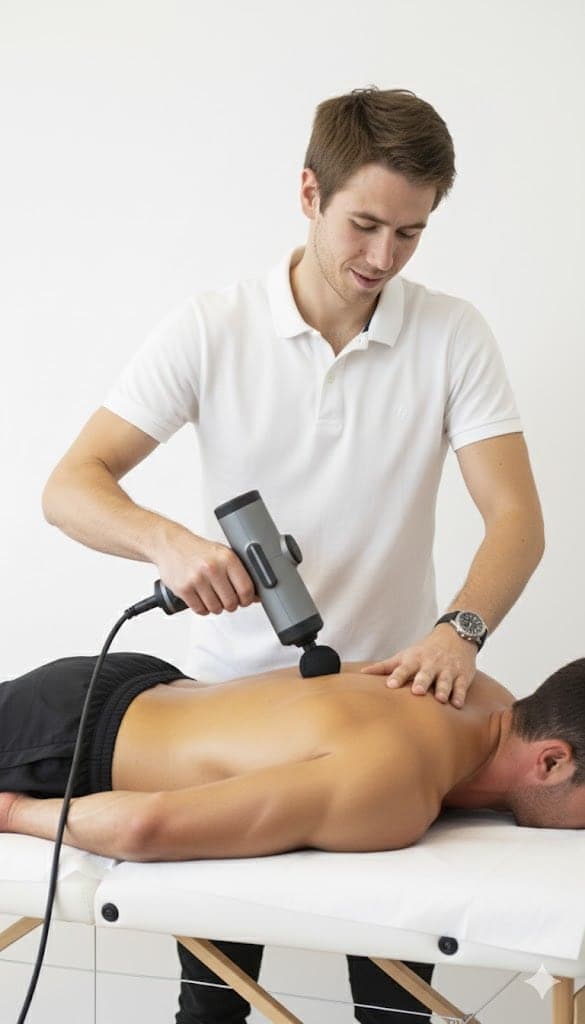
Written by
Chris
Massage therapist, nutrition and exercise physiologist
Norwegian-certified with a Bachelor’s in Physical Education and Nutrition and over ten years of clinical practice, working from a portable table in clients’ homes across the Paphos district.
This article is general information, not a medical diagnosis. If you have severe, worsening or unexplained pain, numbness, weakness, or pain after an accident, see a doctor first.