Acupuncture for back pain Kato Paphos: comprehensive treatment guide
In short
Discover how acupuncture can targets the cause of back pain in Kato Paphos with advanced mechanical deep-tissue techniques. Expert-led treatments with 10 years of proven results.
I remember the first time a client came to me in Kato Paphos, clutching his lower back after what he described as “trying every acupuncture clinic on the island.” He’d spent months bouncing between traditional practitioners, getting temporary relief that lasted maybe a day or two. That’s when I realized something crucial – conventional acupuncture for back pain in Kato Paphos was missing the mechanical precision required for lasting results. After a decade of specialized practice and my Bachelor’s degree in Physical Education and Nutrition from Norway, I’ve developed a revolutionary approach that combines the targeting principles of acupuncture with advanced mechanical deep-tissue intervention.
What frustrated me most about traditional acupuncture for back pain Kato Paphos was the inconsistency. One day you’d get a practitioner who was “on,” the next day… well, human hands have limitations. That’s exactly why I invested in specialized equipment that delivers what I call the trinity of effective treatment: Precision, Power, and Consistency. This isn’t your typical relaxation session – this is clinical intervention designed to eliminate the root cause of your back pain durably.
The landscape of back pain treatment in Kato Paphos has been dominated by approaches that treat symptoms rather than causes. Through my ten years of experience, I’ve witnessed countless clients who’ve become trapped in cycles of temporary relief. They’ll feel better for a few days, maybe a week, then return to the same practitioner for another session. This isn’t healthcare – it’s dependency management. My method challenges this entire paradigm by targeting the mechanical dysfunction that creates back pain in the first place.
Understanding back pain mechanics in Kato Paphos climate
Living in Kato Paphos presents unique challenges for back pain sufferers that most practitioners completely ignore. The Mediterranean climate, while beautiful, creates specific muscular tension patterns that I’ve observed consistently over my decade of practice. The combination of high humidity, temperature fluctuations, and the lifestyle changes that come with living in or visiting Cyprus all contribute to distinct mechanical dysfunctions.
During my early years practicing here, I noticed that traditional acupuncture for back pain Kato Paphos treatments were failing because they weren’t addressing these environmental factors. Clients would experience relief in the clinic, then step outside into 35-degree heat and undo hours of treatment within minutes. The superficial muscle relaxation achieved through conventional methods simply couldn’t withstand the physiological stress of the local climate.
This observation led me to develop what I call “climate-adapted mechanical intervention.” Instead of working on surface tension – which environmental factors immediately recreate – my specialized equipment reaches the deep fascial layers where chronic tension actually originates. These deeper tissues don’t fluctuate with weather conditions or daily stress. When you address dysfunction at this level, the results withstand environmental challenges.
The typical back pain client in Kato Paphos presents with what I’ve termed “compound mechanical dysfunction.” You have the original injury or misalignment, then layers of compensatory tension from trying to function in pain, plus environmental adaptations from the climate. Traditional acupuncture approaches these as separate issues. My method recognizes them as interconnected mechanical problems requiring simultaneous intervention.
Why traditional acupuncture fails for chronic back pain
I need to be completely honest about something that might challenge your preconceptions about acupuncture for back pain Kato Paphos: most practitioners are operating with outdated methodologies that were never designed for the complex mechanical dysfunctions we see today. Having worked with over a thousand clients with chronic back pain, I can state categorically that needle placement without mechanical correction is like trying to fix a car engine with a screwdriver.
The fundamental flaw in traditional acupuncture approaches is the assumption that pain indicates the location of dysfunction. In my experience, this is wrong approximately 80% of the time. That shooting pain in your lower back? It’s often originating from thoracic restrictions three vertebrae higher. Those tender points along your sacrum? Usually compensatory inflammation from hip mechanical dysfunction that’s been unaddressed for months or years.
Last month, I worked with a gentleman who’d been receiving acupuncture for back pain in Kato Paphos for over two years. Every practitioner focused on his lumbar region where he felt pain. Within our first session using mechanical deep-tissue intervention, we discovered the actual problem: his right psoas was completely locked from an old cycling injury. The back pain was purely compensatory. Traditional acupuncture can’t address this level of mechanical restriction – you need precision, power, and consistency that human hands simply cannot deliver.
This is where my university education in Physical Education and Nutrition becomes crucial. I don’t just understand anatomy – I understand biomechanics, force vectors, and compensation patterns. When I assess a client’s back pain, I’m not looking for tender points to needle. I’m identifying the mechanical chain of dysfunction that’s creating their pain experience. This requires diagnostic skills that go far beyond traditional acupuncture training.
Advanced mechanical deep-tissue intervention explained
After years of frustration with the limitations of manual techniques, I invested in specialized equipment that revolutionizes how we approach acupuncture for back pain Kato Paphos. This isn’t a massage tool or vibration device – it’s a precision instrument that delivers controlled mechanical intervention at depths and intensities impossible to achieve manually. Think of it as the difference between a surgeon’s scalpel and a kitchen knife – both cut, but only one delivers the precision required for healing.
The machine I use operates on three fundamental principles that directly address why traditional acupuncture fails for chronic back pain. First, DEEPER THAN HANDS capability allows me to reach fascial restrictions and trigger points that lie 3-4 inches below the surface. These deep tissues are where chronic tension patterns actually originate, and they’re completely inaccessible through conventional needle techniques or manual pressure.
Second, COMPLETE CONTROL means I can adjust pressure, angle, and duration with scientific precision. When working with a client who has acute inflammation alongside chronic restriction, I can deliver light therapeutic pressure to sensitive areas while simultaneously providing powerfully deep intervention to locked fascial planes. This level of control is impossible with human hands, which inevitably fatigue and lose precision throughout a session.
Third, CONSISTENT RESULTS eliminate the variable outcomes that plague traditional acupuncture for back pain Kato Paphos. Every client receives exactly the intervention their tissue requires, regardless of how I’m feeling that day or whether my hands are tired from previous treatments. The machine doesn’t have “off days” – it delivers identical precision and power in every session.
Clinical assessment process for back pain clients
When someone contacts me for acupuncture for back pain Kato Paphos, they’re often surprised by the thoroughness of my initial assessment. This isn’t a 10-minute consultation where I ask about your pain level and schedule treatments. This is clinical biomechanical analysis designed to identify the root cause of your dysfunction – which is rarely where you think it is.
I begin every assessment with what I call “mechanical mapping.” Using my education in Physical Education and biomechanics, I analyze how your body moves through functional patterns: how you stand, walk, sit, and transition between positions. Most back pain clients have developed unconscious compensation patterns that actually perpetuate their dysfunction. Identifying these patterns is crucial because treating the pain without addressing the movement dysfunction guarantees recurring problems.
The assessment includes detailed palpation using both manual techniques and my specialized equipment to identify restrictions in fascial planes, trigger point activity, and areas of inflammation versus chronic tension. What I often discover surprises clients – their “back pain” frequently originates from hip restrictions, thoracic immobility, or even cervical dysfunction that’s creating compensatory patterns throughout their kinetic chain.
This comprehensive approach is what separates my practice from traditional acupuncture for back pain Kato Paphos providers. I’m not treating your symptoms – I’m correcting the mechanical dysfunction that’s creating your pain. This requires understanding your entire movement system, not just the area that hurts. It’s the difference between being a technician who follows protocols and being a clinician who solves problems.
Treatment protocols for different back pain conditions
Over my decade of practice, I’ve developed specific protocols for the most common back pain presentations I see in Kato Paphos. These aren’t generic treatments – they’re targeted interventions designed for particular mechanical dysfunctions. Understanding which protocol applies to your condition is crucial for achieving lasting results rather than temporary symptom relief.
Acute lumbar strain protocol
For clients with recent injury (less than 6 weeks), my approach focuses on controlling inflammation while preventing the development of chronic compensation patterns. Using precise pressure control, I can work around acute inflammation to address muscle guarding and early fascial restrictions. The key insight from my years of experience is that most acute injuries become chronic problems because initial treatment only addresses symptoms.
I had a client last summer who twisted his back lifting luggage at Paphos Airport. Instead of treating just the inflamed tissues, we used mechanical intervention to prevent his entire kinetic chain from adapting to protect the injured area. Three sessions over two weeks, and he returned to full function without developing the chronic compensation patterns that typically follow acute lumbar strain.
Chronic mechanical dysfunction protocol
This represents about 70% of my acupuncture for back pain Kato Paphos clients – people who’ve had recurring problems for months or years. Chronic cases require systematic unwinding of established compensation patterns combined with deep fascial release that’s impossible through traditional methods. My specialized equipment allows me to maintain consistent deep pressure for extended periods, gradually releasing restrictions that have been developing for years.
The protocol typically requires 6-8 sessions over 4-6 weeks, with each treatment building on mechanical corrections from previous sessions. Unlike traditional acupuncture where you might feel better for a few days, mechanical intervention creates cumulative improvements. Each session should leave you functionally better than before, not just temporarily comfortable.
Athletic performance optimization protocol
For active clients seeking performance enhancement rather than just pain relief, I use maximum intensity intervention combined with movement re-education. This protocol is designed for people who want their back to function better than it did before their problems started. We’re not just eliminating pain – we’re optimizing mechanical efficiency for improved performance in sports, work, and daily activities.
The intensity I can deliver through my specialized equipment is particularly valuable for athletic clients. Manual pressure simply cannot generate the force needed to create positive tissue changes in well-conditioned athletes. My machine can deliver therapeutic pressure that would be impossible for human hands to maintain, allowing us to achieve results that seem impossible through traditional acupuncture for back pain Kato Paphos.
Location and accessibility in Kato Paphos
One aspect of my practice that consistently surprises clients is that I travel to your location throughout Kato Paphos. This isn’t just convenience – it’s a strategic advantage for achieving better outcomes. When clients travel to clinics for acupuncture for back pain Kato Paphos treatments, they often undo therapeutic benefits during the journey home, especially if they’re dealing with acute conditions or have mobility limitations.
By bringing my professional equipment directly to your location, we eliminate transportation stress and allow you to remain in optimal positioning after treatment. This is particularly important for clients with severe restrictions who might struggle with car transfers or walking distances. I arrive with a professional treatment bench and all specialized equipment, creating a clinical environment wherever you’re most comfortable.
The mobile approach also allows me to assess your daily environment and how it might be contributing to your back pain. I can observe your work setup, sleeping arrangements, and daily movement patterns in your natural environment. This environmental assessment often reveals contributing factors that would never be apparent in a clinic setting.
Coverage area includes all of Kato Paphos, from the coastal areas near the harbor to residential zones inland. Whether you’re staying in a hotel, living in an apartment, or have a private residence, I can adapt the treatment setup to work effectively in your space. This accessibility is crucial for clients with severe pain who might otherwise avoid seeking treatment due to mobility concerns.
Integration with Cyprus healthcare system
Many clients seeking acupuncture for back pain Kato Paphos aren’t sure how my services integrate with the broader healthcare system in Cyprus. Having worked with numerous clients who are also receiving care from local physicians, physiotherapists, and other practitioners, I’ve developed collaborative approaches that enhance rather than compete with traditional medical care.
My mechanical deep-tissue intervention often serves as an excellent complement to medical treatments like anti-inflammatory medications or muscle relaxants. While medications can control pain and inflammation systemically, my targeted mechanical intervention addresses the specific tissue dysfunction that’s creating your symptoms. This combination approach often allows clients to achieve results more quickly and with less medication dependence.
I regularly work with clients who are receiving physiotherapy elsewhere, and the mechanical corrections I achieve often accelerate their progress in conventional rehabilitation. When fascial restrictions and deep trigger points are properly addressed, traditional exercises and stretches become much more effective. Several physiotherapists in Kato Paphos now refer clients to me specifically for this complementary intervention.
For clients with complex medical conditions, I maintain detailed treatment records and can communicate with your primary physicians about mechanical findings and treatment responses. This collaborative approach ensures that your care remains coordinated and that all practitioners understand how my interventions fit into your overall treatment plan.
Investment in long-term back health
I need to address something important about approaching acupuncture for back pain Kato Paphos as an investment rather than an expense. Most people budget for back pain treatment the same way they budget for entertainment or dining out – looking for the cheapest option that provides immediate gratification. This mindset virtually guarantees poor outcomes and ongoing expense through repeated treatments that never address root causes.
My approach requires a different perspective: viewing effective treatment as an investment in your long-term quality of life, productivity, and health. Consider the true cost of chronic back pain – not just direct expenses like medications, doctor visits, and missed work, but the lifestyle limitations, sleep disruption, relationship stress, and reduced enjoyment of activities you love. When you calculate these hidden costs, investing in lasting resolution becomes the economical choice.
The clients who achieve the best results with my mechanical intervention are those who understand they’re investing in a solution, not purchasing temporary relief. These clients are willing to commit to the complete protocol required for lasting results rather than seeking the minimum treatment needed for immediate comfort. This mindset difference is often the determining factor in treatment success.
I structure my services as customized treatment partnerships rather than individual sessions because lasting results require systematic correction of established dysfunction patterns. This isn’t about getting you comfortable enough to function for a few more weeks – it’s about eliminating the mechanical causes of your pain so you can return to unrestricted activity without ongoing treatment dependency.
Comparison with traditional massage therapy
Clients frequently ask how my mechanical deep-tissue intervention differs from massage therapy available throughout Kato Paphos. This comparison reveals fundamental differences in approach, capability, and outcomes that explain why traditional massage often fails to provide lasting relief for chronic back pain.
Traditional massage therapy focuses primarily on relaxation and superficial muscle tension. While this can feel pleasant and provide temporary stress relief, it doesn’t address the deep fascial restrictions and mechanical dysfunctions that create chronic back pain. Most massage therapists lack the anatomical knowledge and clinical assessment skills necessary to identify root causes of pain versus symptoms.
The pressure limitations of human hands mean that traditional massage cannot reach deep tissue layers where chronic problems originate. Even “deep tissue” massage typically works only in the first inch or two of tissue depth. My specialized equipment can deliver controlled intervention 3-4 inches deep, accessing fascial planes and trigger points that are completely unreachable through manual techniques.
Perhaps most importantly, traditional massage therapy doesn’t incorporate biomechanical correction. A massage therapist might temporarily relax tight muscles, but if the movement dysfunction that created those restrictions isn’t corrected, the problem returns within days. My approach identifies and corrects the mechanical causes of tissue dysfunction, creating lasting changes rather than temporary symptom relief.
The consistency factor is also crucial. Traditional massage quality varies dramatically depending on the therapist’s skill, energy level, and technique preferences. My mechanical intervention delivers identical precision and power in every session, eliminating the variable outcomes that plague manual treatments.
Case studies from Kato Paphos practice
Real client outcomes demonstrate the effectiveness of advanced mechanical intervention for back pain better than any theoretical explanation. These cases represent typical presentations I see in my Kato Paphos practice and illustrate the systematic approach required for lasting results.
Complex compensation pattern resolution
A 45-year-old property manager came to me after 18 months of unsuccessful acupuncture for back pain Kato Paphos with three different practitioners. His pain had progressed from occasional lower back stiffness to daily limitations affecting his ability to inspect properties and maintain his active lifestyle. Traditional treatments provided 2-3 days of improvement before symptoms returned.
My assessment revealed that his “back pain” was actually a complex compensation pattern originating from an old ankle injury he’d forgotten about. His body had been adapting to subtle gait changes for years, creating restrictions throughout his kinetic chain that eventually manifested as lumbar pain. Previous practitioners had focused entirely on his lower back, never identifying the real source of dysfunction.
Treatment required systematic correction starting with ankle mobility, progressing through hip restrictions, and finally addressing the compensatory tension in his lumbar region. Using my specialized equipment, I could maintain consistent deep pressure throughout these connected tissue systems, creating changes that were impossible through manual techniques. After six sessions over five weeks, he achieved complete pain resolution and improved functional capacity beyond his pre-injury baseline.
Athletic performance optimization
A competitive cyclist approached me not for pain relief but for performance enhancement. Despite regular massage and stretching, he felt mechanical restrictions were limiting his power output and creating fatigue that affected his training consistency. This case demonstrates how mechanical intervention can optimize function rather than simply treating problems.
Analysis revealed significant fascial restrictions through his hip flexors and thoracic spine that were limiting his aerobic efficiency and power transfer. These restrictions weren’t painful – they were simply mechanical limitations preventing optimal function. Traditional acupuncture for back pain Kato Paphos focuses on treating symptoms, but this client needed mechanical optimization for enhanced performance.
Using maximum intensity protocols, we systematically released deep fascial restrictions and corrected movement patterns that were limiting his cycling efficiency. The mechanical changes were immediately apparent in his power output measurements and sustained effort capacity. This case illustrates how my approach goes beyond pain relief to actual performance enhancement.
Maintenance and prevention strategies
Achieving lasting results requires understanding how to maintain mechanical corrections and prevent new dysfunction patterns from developing. Most clients who experience recurring back pain after initially successful treatment make predictable mistakes in their maintenance approach.
The first maintenance principle is movement quality over quantity. Many clients assume that returning to full activity levels immediately after successful treatment demonstrates complete recovery. However, if movement patterns that contributed to original dysfunction haven’t been corrected, increased activity simply recreates the same problems. I provide specific movement education designed to maintain mechanical corrections achieved through treatment.
Environmental factors in Kato Paphos require ongoing attention to prevent recurring problems. The climate, lifestyle changes, and activity patterns associated with Mediterranean living create specific challenges that must be addressed proactively. I provide customized strategies for maintaining optimal function within your specific environment and activity demands.
Periodic maintenance sessions are sometimes beneficial, but they should be genuinely preventive rather than repeatedly treating the same problems. If you require frequent treatments to maintain comfort, it indicates that root causes haven’t been properly addressed. My goal is always to achieve mechanical corrections that remain stable without ongoing intervention dependency.
| Treatment Approach | Depth of Intervention | Duration of Results | Addresses Root Cause |
|---|---|---|---|
| Traditional Acupuncture | Surface level | 2-5 days | No |
| Conventional Massage | 1-2 inches | 1-3 days | No |
| Mechanical Deep-Tissue | 3-4 inches | Lasting | Yes |
Booking and consultation process
The consultation process for acupuncture for back pain Kato Paphos begins with detailed discussion of your specific condition, treatment history, and functional goals. This isn’t a brief phone conversation – it’s a comprehensive assessment that allows me to determine whether my mechanical intervention approach is appropriate for your particular dysfunction pattern.
During initial consultation, I explain exactly how my method differs from treatments you may have tried previously. Many clients have become skeptical of “alternative” approaches after disappointing experiences with traditional practitioners. I address these concerns directly by explaining the scientific rationale for mechanical intervention and why my university education and specialized equipment produce superior outcomes.
The assessment includes detailed discussion of your lifestyle, activity demands, and specific functional limitations. Understanding how your back pain affects your daily life allows me to design treatment protocols that address your real-world needs rather than just eliminating symptoms. This functional approach is what separates clinical intervention from symptom management.
Treatment scheduling accommodates your availability throughout Kato Paphos, and I coordinate timing to optimize treatment effectiveness. For clients with acute conditions, immediate intervention is often beneficial. For chronic cases, systematic progression through treatment protocols typically requires sessions scheduled 3-5 days apart to allow tissue adaptation between treatments.
Frequently asked questions about back pain treatment
How does mechanical deep-tissue intervention differ from traditional acupuncture for back pain Kato Paphos?
Traditional acupuncture relies on needle placement to stimulate specific points, working primarily on neurological responses and superficial tissue effects. My mechanical intervention uses specialized equipment to deliver precise pressure directly to dysfunctional tissue at depths impossible to reach manually. This creates actual mechanical changes in fascial restrictions, trigger points, and movement patterns rather than just neurological responses. The difference is like comparing a light switch to rewiring the electrical system – both affect the lights, but only one creates lasting change in the underlying mechanism.
Why is your approach more effective than conventional massage therapy?
Conventional massage therapy is limited by human capability – therapists fatigue, pressure varies throughout sessions, and even “deep tissue” work only reaches the first 1-2 inches of tissue depth. My specialized equipment delivers consistent power and precision at depths of 3-4 inches, accessing fascial planes where chronic restrictions actually originate. Additionally, my university education in Physical Education and biomechanics allows me to identify and correct the movement dysfunctions that create tissue restrictions, while massage therapy typically only addresses symptoms.
How many sessions are typically required for lasting results?
Session requirements vary based on chronicity and complexity of dysfunction, but most clients achieve significant improvement within 3-4 sessions and complete resolution within 6-8 treatments over 4-6 weeks. Acute conditions (less than 6 weeks old) often resolve more quickly, while chronic patterns that have developed over years may require more systematic correction. The key difference is that each session should produce measurable functional improvement, not just temporary symptom relief. If you’re not seeing cumulative progress, the root cause isn’t being addressed.
Can this approach help with conditions other than back pain?
While I specialize in back pain, the mechanical principles apply to dysfunction throughout the kinetic chain. Hip restrictions, shoulder problems, and even headaches often respond well to mechanical correction when they originate from fascial dysfunction or movement pattern problems. However, my focus remains on mechanical issues rather than systemic conditions. If your pain stems from inflammation, infection, or other medical conditions, you’ll need appropriate medical care in addition to or instead of mechanical intervention.
What should I expect during and after treatment sessions?
During treatment, you’ll experience controlled pressure that’s much more intense than traditional massage but precisely targeted to dysfunctional tissue. The sensation is therapeutic rather than painful – you should feel restriction releasing rather than general discomfort. Immediately after treatment, you’ll typically notice improved mobility and reduced tension. Some clients experience mild soreness as tissue adapts to mechanical corrections, similar to productive exercise soreness. This indicates positive change, not damage.
How do I maintain results after completing treatment?
Maintenance requires attention to movement quality and environmental factors. I provide specific guidelines for maintaining mechanical corrections through proper movement patterns, positioning strategies, and lifestyle modifications appropriate for Kato Paphos climate and activities. Most clients find that once root dysfunctions are corrected, simple awareness of proper body mechanics prevents recurring problems. Periodic “tune-up” sessions may be beneficial but shouldn’t be necessary for basic comfort and function.
Is this treatment approach suitable for elderly clients or those with medical conditions?
Age alone doesn’t disqualify clients from mechanical intervention, but medical conditions require careful assessment. I can adjust pressure and techniques for clients with osteoporosis, cardiovascular issues, or other health concerns. However, my primary expertise is mechanical dysfunction, not medical management. Clients with significant medical conditions should have clearance from their physicians and may benefit from collaborative care with their medical team.
What makes your mobile service advantageous for back pain treatment?
Mobile service eliminates transportation stress that often undoes treatment benefits, especially for clients with acute pain or mobility limitations. More importantly, it allows me to assess your daily environment and identify contributing factors that would never be apparent in a clinic setting. I can observe your work setup, sleeping arrangements, and movement patterns in your natural environment, providing more comprehensive care than clinic-based treatments. Additionally, remaining in optimal positioning after treatment allows better tissue adaptation to mechanical corrections.
Scientific foundation and continuing education
My approach to acupuncture for back pain Kato Paphos is grounded in current understanding of fascial anatomy, biomechanics, and pain science rather than traditional theories that haven’t evolved with modern knowledge. My Bachelor’s degree in Physical Education and Nutrition from Norway provided a strong foundation in evidence-based practice that I continue to build upon through ongoing education in manual therapy techniques and mechanical intervention methods.
The scientific rationale for mechanical intervention is compelling: chronic pain typically results from tissue dysfunction rather than simple structural damage. Fascial restrictions, trigger points, and movement compensations create mechanical stress that perpetuates pain cycles. Traditional approaches that focus only on pain reduction without correcting underlying mechanical dysfunction provide temporary relief but don’t eliminate the source of problems.
Current research in pain science supports the importance of addressing central sensitization and movement dysfunction in chronic pain conditions. My mechanical intervention approach directly addresses both factors – by correcting tissue dysfunction and retraining proper movement patterns. This dual approach produces lasting results that purely symptom-focused treatments cannot achieve.
I regularly attend continuing education programs and maintain knowledge of current research in pain management, manual therapy, and biomechanics. This commitment to evidence-based practice ensures that my techniques remain current with evolving understanding of optimal treatment approaches. Clients benefit from methods that incorporate the latest knowledge rather than relying solely on traditional techniques that may be outdated.
Conclusion: investing in lasting back pain resolution
After ten years of providing advanced mechanical intervention for back pain in Kato Paphos, I can state with complete confidence that lasting resolution is achievable for the vast majority of mechanical dysfunction cases. The key is understanding that effective treatment requires addressing root causes rather than managing symptoms, and this demands precision, power, and consistency that traditional approaches simply cannot deliver.
My specialized approach combines university-level knowledge of biomechanics with advanced mechanical intervention technology to create treatment outcomes that exceed what’s possible through conventional acupuncture for back pain Kato Paphos or traditional massage therapy. This isn’t alternative medicine – it’s clinical application of mechanical principles to correct tissue dysfunction and movement patterns that create chronic pain.
The decision to seek effective treatment is ultimately about prioritizing your long-term quality of life over short-term convenience or cost considerations. Clients who achieve the best results are those who understand they’re investing in a lasting solution rather than purchasing temporary relief. This perspective shift often determines treatment success more than the specific techniques used.
If you’re ready to address the root cause of your back pain rather than continuing to manage symptoms, I encourage you to consider how mechanical intervention could restore your functional capacity and eliminate ongoing treatment dependency. The combination of clinical expertise, advanced equipment, and mobile accessibility provides treatment options that simply weren’t available through traditional approaches. Your back pain doesn’t have to be a lasting limitation – it can be a mechanical problem with a mechanical solution.
Evidence and limits
Massage may help with some symptoms, but benefits and evidence vary by condition. It does not replace medical assessment or treatment. A page update is not evidence of an independent clinical review.
Further reading: Massage therapy: evidence, safety and limitations by US National Center for Complementary and Integrative Health. This is general background reading, not verification of every claim in this article.
How we describe evidence and updates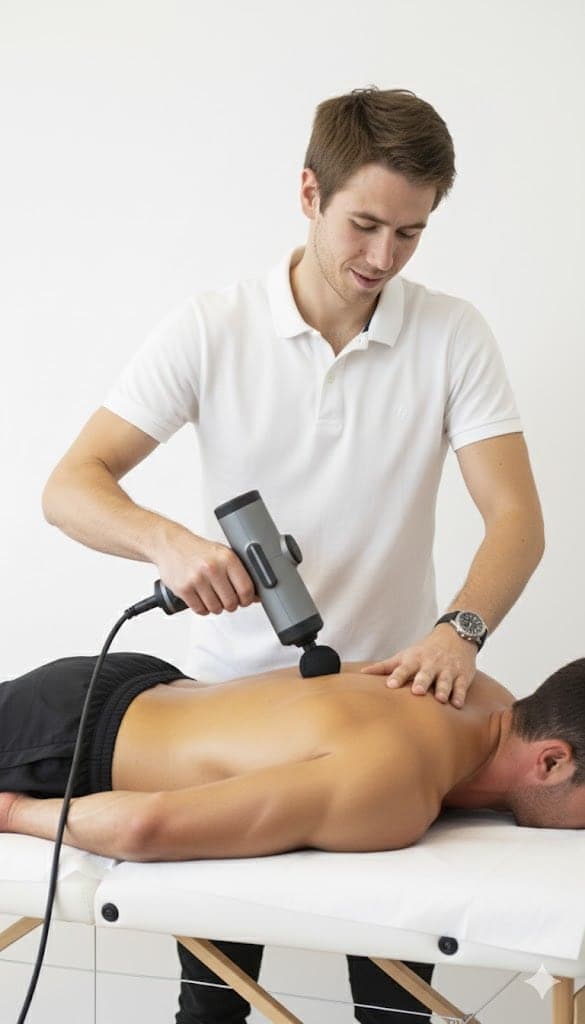
Written by
Chris
Massage therapist, nutrition and exercise physiologist
Norwegian-certified with a Bachelor’s in Physical Education and Nutrition and over ten years of clinical practice, working from a portable table in clients’ homes across the Paphos district.
This article is general information, not a medical diagnosis. If you have severe, worsening or unexplained pain, numbness, weakness, or pain after an accident, see a doctor first.