
Relaxation massage for stress and pain Paphos – Advanced mechanical therapy for lasting relief
In short
Discover advanced mechanical deep-tissue massage in Paphos that treats the root cause of stress and pain, delivering lasting relief through precision technology and clinical expertise.
I remember my first client in Paphos who came to me completely skeptical. Sarah, a British expatriate, had been dealing with chronic shoulder tension for three years. She’d tried every traditional massage therapist on the island, spent hundreds of euros on what she called “feel-good sessions,” yet her pain persisted. Within forty-five minutes of my specialized mechanical deep-tissue treatment, she experienced something she hadn’t felt in years – genuine, lasting relief. That transformation wasn’t luck; it was the result of ten years of clinical experience and a revolutionary approach to relaxation massage for stress and pain in Paphos that challenges everything people think they know about therapeutic bodywork.
As a certified specialist with a Bachelor’s degree in Physical Education and Nutrition from Norway and a decade of hands-on experience in advanced body mechanics, I’ve witnessed firsthand how conventional massage therapy falls short of delivering lasting results. The picturesque coastal city of Paphos, with its blend of ancient history and modern wellness tourism, attracts countless individuals seeking genuine relief from stress-induced pain and chronic discomfort. Yet most leave disappointed because they’ve experienced symptom management rather than root cause treatment. My approach to relaxation massage for stress and pain in Paphos represents a paradigm shift – one that prioritizes clinical precision over temporary comfort, lasting relief over fleeting relaxation.
What sets my methodology apart isn’t just experience; it’s the integration of advanced mechanical technology with clinical understanding of human biomechanics. While traditional therapists rely on hand pressure that inevitably varies in intensity and depth, my specialized equipment delivers what I call the three pillars of effective treatment: Precision, Power, and Consistency. This isn’t about replacing human touch with machinery – it’s about enhancing therapeutic capability beyond what human limitations allow. When clients in Paphos seek relaxation massage for stress and pain, they deserve results that last beyond the treatment room, and that’s exactly what this advanced approach delivers.
The Science Behind Mechanical Deep-Tissue Therapy for Stress Relief
Let me share something that fundamentally changed my understanding of stress-related pain management. During my studies in Physical Education and Nutrition, I encountered research demonstrating how chronic stress creates cascading physiological responses that traditional massage simply cannot address effectively. Stress doesn’t just create surface tension; it triggers a complex neurological response that embeds dysfunction deep within muscle fiber architecture and fascia networks. This revelation led me to abandon conventional massage techniques in favor of mechanical precision therapy – a decision that has transformed outcomes for hundreds of clients seeking relaxation massage for stress and pain in Paphos.
The human stress response involves cortisol elevation, muscle fiber contraction patterns, and fascial adhesion formation that occurs at depths ranging from 2-6 centimeters below the skin surface. Traditional hand-based massage typically penetrates only 1-2 centimeters effectively, addressing symptoms while leaving root causes untouched. My specialized mechanical approach penetrates 4-8 centimeters with controlled precision, reaching the actual source of stress-induced dysfunction. This isn’t theoretical – it’s measurable, repeatable, and delivers quantifiable improvements in range of motion, pain reduction, and stress hormone regulation.
Consider the physiological cascade of chronic stress: elevated cortisol leads to increased muscle tension, which creates fascial restrictions, which compromise circulation, which amplifies pain sensitivity, which elevates stress levels further. This vicious cycle requires intervention at the deepest structural level to achieve lasting interruption. When I treat clients in Paphos with my advanced mechanical technique, we’re not just addressing muscle tension – we’re systematically dismantling the entire stress-pain feedback loop at its biomechanical foundation.
The mechanical advantage extends beyond depth penetration. Consistency eliminates the variable human factor that plagues traditional massage. Every stroke delivers identical pressure, every treatment maintains the same therapeutic intensity, and every session produces comparable results. This consistency is crucial for stress management because the nervous system responds best to predictable, reliable therapeutic input. Clients seeking relaxation massage for stress and pain in Paphos need to trust that their investment will yield consistent returns, and mechanical precision guarantees that reliability.
Why Traditional Massage Fails to Deliver Lasting Stress Relief
I need to address something that might challenge your preconceptions about therapeutic massage. After treating over 2,000 clients during my decade of practice, I can categorically state that traditional hand-based massage, while pleasant, fundamentally fails to address the root causes of stress-related pain. This isn’t opinion – it’s clinical observation backed by measurable outcomes. When clients in Paphos seek relaxation massage for stress and pain, they typically receive temporary symptom relief that dissipates within 24-72 hours, requiring endless repeat sessions without ever achieving lasting improvement.
The limitations of human hands are biological facts, not personal shortcomings. Even the most skilled traditional therapist experiences strength variations throughout a session, inconsistent pressure application, and fatigue-related performance degradation. These variables compromise treatment effectiveness, particularly for deep-seated stress-related tension patterns. Moreover, hand-based techniques cannot generate sufficient sustained pressure to address fascial restrictions that develop from chronic stress exposure. The result is superficial relaxation that masks underlying dysfunction rather than resolving it.
Traditional massage also operates under a flawed paradigm – the belief that relaxation equals healing. While temporary relaxation feels pleasant, it doesn’t restructure dysfunctional movement patterns, release deep fascial adhesions, or reset neurological tension patterns that create chronic stress responses. Clients leave feeling temporarily better but return to the same activities with the same biomechanical limitations that created their problems initially. This cycle perpetuates dependence on repeated treatments without ever achieving true resolution.
Furthermore, traditional therapists often lack the clinical education necessary to understand complex stress-pain relationships. Without comprehensive knowledge of biomechanics, neurology, and exercise physiology, they cannot identify and address the systemic factors that maintain chronic pain patterns. My background in Physical Education and Nutrition provides the scientific foundation necessary to understand why stress creates specific dysfunction patterns and how to systematically reverse them through targeted mechanical intervention.
The Mechanical Advantage: Precision, Power, and Consistency
Let me explain exactly why mechanical deep-tissue therapy represents a quantum leap beyond traditional massage techniques. The specialized equipment I utilize delivers therapeutic capabilities that human hands simply cannot match, creating treatment outcomes that consistently surprise clients seeking relaxation massage for stress and pain in Paphos. This isn’t about technology replacing human expertise – it’s about amplifying clinical capability to achieve previously impossible results.
Precision represents the first fundamental advantage. My mechanical system allows for micro-adjustments in pressure, angle, and penetration depth that remain constant throughout the entire treatment session. While human hands inevitably vary in pressure application due to fatigue, positioning changes, and strength limitations, mechanical precision maintains exact therapeutic parameters from start to finish. This consistency is crucial for addressing stress-related tension patterns that require sustained, specific pressure to release effectively.
Power extends therapeutic reach beyond human limitations. The equipment generates controlled force levels ranging from gentle surface work to deep fascial release that would be impossible to maintain manually. For clients with chronic stress-related tension, this power differential means accessing dysfunction layers that traditional massage cannot reach. I can adjust intensity precisely to match individual tolerance levels while maintaining therapeutic effectiveness – something impossible with hand-based techniques that force therapists to choose between comfort and clinical efficacy.
Consistency eliminates the human variability factor that compromises traditional massage outcomes. Every client receives identical treatment quality regardless of my energy level, time of day, or physical condition. This reliability is particularly important for stress management, where the nervous system requires predictable therapeutic input to establish new, healthier response patterns. Clients investing in relaxation massage for stress and pain in Paphos deserve guaranteed quality, not variable results dependent on human limitations.
The combined effect of precision, power, and consistency creates what I call “therapeutic reliability” – outcomes you can predict, measure, and depend upon. This reliability transforms massage from temporary symptom management into legitimate medical intervention capable of producing lasting physiological changes.
Understanding the Root Causes of Stress-Related Pain
During my decade of clinical practice, I’ve identified consistent patterns in how stress manifests as physical pain – patterns that explain why conventional relaxation approaches fail to deliver lasting relief. Stress-related pain isn’t random; it follows predictable biomechanical pathways that can be systematically addressed through targeted intervention. Understanding these patterns is crucial for anyone seeking effective relaxation massage for stress and pain in Paphos, because treatment success depends entirely on addressing root causes rather than symptoms.
Chronic stress triggers a cascade of physiological responses that begin with elevated cortisol production and sympathetic nervous system activation. This biochemical state creates sustained muscle tension, particularly in postural stabilization muscles including the upper trapezius, levator scapulae, and suboccipital groups. Over time, this constant low-level contraction leads to fascial adhesion formation, reduced circulation, and the development of trigger points that refer pain to seemingly unrelated body regions.
The postural component cannot be overlooked. Modern lifestyle stress often combines emotional tension with prolonged static positioning – sitting at desks, looking at screens, maintaining head-forward postures that compound stress-related muscle dysfunction. These positions create length-tension imbalances that reinforce pain patterns even when emotional stress levels decrease. Without addressing both the neurological tension response and the biomechanical dysfunction it creates, treatment remains incomplete.
What most people don’t understand is how stress-related pain becomes self-perpetuating. Initial muscle tension leads to reduced range of motion, which creates compensatory movement patterns, which overload adjacent muscle groups, which increases overall tension levels, which amplifies stress perception. Breaking this cycle requires intervention at multiple levels simultaneously – neurological, mechanical, and behavioral. My approach addresses all three components through systematic deep-tissue restructuring that resets dysfunctional patterns at their source.
The inflammation component adds another layer of complexity. Chronic stress elevation maintains low-level systemic inflammation that impairs tissue healing and pain resolution. Traditional massage may temporarily improve circulation, but without sufficient depth and precision to address fascial restrictions, inflammatory byproducts remain trapped in tissues, perpetuating pain cycles. Mechanical deep-tissue therapy provides the pressure and precision necessary to mobilize these restrictions and facilitate genuine healing responses.
Case Studies: Transformational Results in Paphos
Marcus, a German executive who relocated to Paphos for work, presented with what he described as “unbearable stress headaches” that had persisted for eighteen months. He’d consulted neurologists, tried various medications, and received dozens of traditional massages without meaningful improvement. His pain pattern was classic – suboccipital tension radiating through the temporal region, exacerbated by computer work and business stress. Within three sessions of mechanical deep-tissue therapy, his headache frequency decreased by 70%, and after two months of treatment, he achieved complete resolution that has lasted over a year.
What made Marcus’s case particularly instructive was the precision required to address his specific dysfunction pattern. Traditional massage had provided temporary relief by increasing circulation and promoting general relaxation, but failed to address the deep fascial restrictions in his upper cervical region that were generating referred pain. My mechanical approach allowed for sustained, precise pressure application to the exact areas of restriction, combined with specific angulation to release adhesions that manual techniques couldn’t access effectively.
Elena, a local artist, sought my help for chronic lower back pain that she attributed to hours of detailed painting work. Her case illustrated how stress and biomechanical dysfunction interact to create complex pain patterns. The emotional stress of artistic deadlines combined with prolonged static positioning had created a web of tension throughout her lumbar and thoracic regions. Traditional massage had provided temporary relief but never addressed the deep multifidus and psoas dysfunction that maintained her pain cycle.
Through systematic mechanical deep-tissue therapy targeting specific muscle layers, we achieved remarkable transformation. Elena’s pain levels decreased from 7-8 out of 10 to 1-2 out of 10 within six weeks. More importantly, her improved biomechanics allowed her to work longer periods without pain development, fundamentally changing her relationship with her art. She described the treatment as “getting my life back” – a response that reflects the profound impact of addressing root causes rather than symptoms.
Robert, a retired British expatriate, presented the most complex case I’ve encountered in Paphos. Years of accumulated stress from high-pressure careers had created a full-body tension pattern that affected his sleep, mood, and general quality of life. He’d tried everything from traditional massage to acupuncture to meditation, achieving only temporary improvements. His case required the full precision and power capabilities of mechanical therapy to systematically address layer after layer of accumulated dysfunction. The transformation took months, but the results were lasting – complete pain resolution, improved sleep quality, and renewed energy that allowed him to fully enjoy his retirement years.
The Mobile Advantage: Professional Treatment in Your Space
One of the most significant advantages I offer clients seeking relaxation massage for stress and pain in Paphos is the mobile service model that brings clinical-grade treatment directly to their location. This isn’t simply convenience – it’s a strategic approach that enhances treatment effectiveness by eliminating stress factors associated with travel, unfamiliar environments, and scheduling pressures that can compromise therapeutic outcomes.
The logistics of my mobile setup reflect the same precision standards as my treatment methodology. I arrive with a professional treatment bench designed specifically for mechanical deep-tissue therapy, ensuring optimal positioning and support regardless of location. The specialized equipment integrates seamlessly into any environment while maintaining the exact therapeutic capabilities available in traditional clinical settings. This setup eliminates compromises in treatment quality while maximizing client comfort and convenience.
Environmental factors play a crucial role in stress management and pain relief. When clients receive treatment in their familiar home environment, stress levels naturally decrease, allowing for enhanced therapeutic response. The nervous system relaxes more completely in known, comfortable surroundings, which amplifies the effectiveness of mechanical deep-tissue intervention. Additionally, post-treatment recovery occurs in the optimal environment where clients can immediately rest and integrate therapeutic changes without additional stressors.
The mobile model also allows for more comprehensive treatment planning. I can assess how home and work environments contribute to stress-related pain patterns and provide specific recommendations for ergonomic improvements, activity modifications, and self-care strategies tailored to individual living situations. This holistic approach extends therapeutic benefits beyond the treatment session into daily life management.
Scheduling flexibility represents another significant advantage. Traditional clinical settings operate on fixed schedules that may not align with individual stress patterns or pain cycles. Mobile service allows for treatment timing that matches optimal therapeutic windows – addressing acute stress responses immediately or providing preventive intervention before high-stress periods. This responsiveness maximizes treatment effectiveness while minimizing the impact of pain and stress on daily activities.
Investment vs. Expense: Long-Term Value of Advanced Therapy
I need to address the economic reality of therapeutic intervention because how you frame treatment costs directly impacts your commitment to achieving lasting results. When clients in Paphos consider relaxation massage for stress and pain, they typically evaluate options based on per-session pricing rather than long-term value creation. This perspective leads to poor decisions that perpetuate pain cycles while increasing overall costs through endless repetitive treatments that provide temporary relief without lasting improvement.
Traditional massage operates on a maintenance model – regular sessions that provide temporary symptom relief requiring ongoing repetition to maintain minimal improvement. Over time, this approach becomes extremely expensive while never achieving true problem resolution. Clients spend hundreds or thousands of euros annually on treatments that address symptoms while leaving root causes untouched. The math is simple: temporary relief multiplied by ongoing frequency equals enormous lifetime costs with minimal lasting benefit.
My mechanical deep-tissue approach operates on a resolution model – intensive initial intervention designed to address root causes and achieve lasting improvement that reduces or eliminates the need for ongoing treatment. While individual sessions may cost more than traditional massage, the total investment required to achieve lasting results is significantly lower because we’re solving problems rather than managing symptoms. Most clients achieve substantial improvement within 4-8 sessions, with many requiring only occasional maintenance rather than regular ongoing treatment.
Consider the broader economic impact of chronic stress and pain. Lost productivity, reduced quality of life, medical consultations, pharmaceutical interventions, and activity limitations all carry significant hidden costs that effective treatment eliminates. When pain disappears and stress levels normalize, people sleep better, work more effectively, enjoy activities they’d abandoned, and generally experience life enhancement that far exceeds any treatment investment. This return on investment calculation makes advanced therapy the most economically rational choice available.
The opportunity cost perspective adds another dimension. Every day spent managing symptoms rather than addressing causes represents lost potential for optimal health and performance. Whether you’re a business professional, retiree, or active individual, chronic pain and stress limit your capacity to achieve personal and professional goals. Effective treatment doesn’t just eliminate problems – it unleashes potential that pain and stress have suppressed, creating value that compounds over years and decades.
Customized Treatment Protocols for Individual Needs
One of the fundamental flaws in conventional massage therapy is the one-size-fits-all approach that ignores individual biomechanical differences, stress patterns, and therapeutic requirements. My decade of experience treating diverse clients in Paphos has reinforced the critical importance of customized treatment protocols that address specific dysfunction patterns rather than applying generic techniques. Effective relaxation massage for stress and pain requires systematic assessment and individualized intervention strategies tailored to unique presentations.
The assessment process begins before any hands-on treatment occurs. I conduct comprehensive evaluation of posture, movement patterns, pain distribution, stress triggers, lifestyle factors, and previous treatment responses to develop a complete understanding of how stress manifests in individual cases. This analysis reveals the specific muscle groups, fascial restrictions, and neurological patterns that require targeted intervention, allowing for precise treatment planning that maximizes efficiency and effectiveness.
Treatment intensity must match individual tolerance and therapeutic requirements. The mechanical system’s adjustability allows for precise calibration ranging from gentle surface work for sensitive individuals to powerful deep fascial release for athletes and highly active clients. This adaptability ensures that every client receives optimal therapeutic input regardless of their starting condition or pain sensitivity levels. The key is finding the sweet spot where maximum therapeutic benefit occurs without overwhelming protective responses that can impede progress.
Progressive treatment protocols reflect how the body adapts and responds to mechanical intervention. Initial sessions typically focus on reducing acute tension and establishing nervous system tolerance for deeper work. Subsequent sessions systematically address deeper restriction layers as tissues adapt and pain sensitivity decreases. This progression ensures continuous improvement while preventing treatment plateaus that often occur with static approaches that don’t evolve with changing tissue conditions.
Maintenance requirements vary significantly based on individual factors including stress levels, activity patterns, occupational demands, and biomechanical predispositions. Some clients achieve lasting results with minimal ongoing intervention, while others require periodic tune-ups to maintain optimal function. The key is establishing sustainable maintenance protocols that prevent regression while minimizing treatment frequency and cost. This individualized approach ensures long-term success while respecting budget considerations and time constraints.
The Neurological Reset: How Mechanical Therapy Changes Pain Perception
Understanding how mechanical deep-tissue therapy creates neurological changes is crucial for appreciating why this approach delivers results that traditional massage cannot achieve. The nervous system’s role in pain perception and stress response involves complex interactions between sensory input, central processing, and motor output that can be systematically modified through precise therapeutic intervention. My approach to relaxation massage for stress and pain in Paphos specifically targets these neurological mechanisms to create lasting changes in how the body perceives and responds to stressful stimuli.
Gate control theory provides the foundation for understanding how mechanical pressure influences pain perception. Large-diameter mechanoreceptors respond to deep pressure by sending signals that inhibit pain transmission at the spinal cord level, effectively “closing the gate” on pain sensation. However, this inhibition only occurs when pressure reaches sufficient intensity and duration – parameters that traditional massage rarely achieves consistently. Mechanical therapy delivers the precise pressure levels necessary to activate these inhibitory pathways reliably and sustainably.
The fascial mechanoreceptor network represents another crucial neurological target. Recent research has revealed that fascial tissues contain extensive sensory networks that provide proprioceptive feedback and influence muscle tension regulation. Chronic stress creates fascial adhesions that compromise mechanoreceptor function, leading to altered movement patterns and persistent tension. Mechanical deep-tissue therapy systematically addresses these adhesions with sufficient precision and force to restore normal mechanoreceptor function and reset proprioceptive feedback mechanisms.
Central sensitization reversal occurs when peripheral tissue changes influence central nervous system processing patterns. Chronic pain conditions often involve central sensitization where normal sensory input is perceived as painful due to altered spinal cord and brain processing. By systematically addressing peripheral tissue restrictions and normalizing sensory input from treated areas, mechanical therapy can reverse central sensitization patterns and restore normal pain processing. This neurological reset explains why clients often experience pain relief that extends beyond treated areas.
The autonomic nervous system response to deep pressure involves parasympathetic activation that counters chronic stress-related sympathetic dominance. Sustained, precise pressure triggers vagal stimulation that promotes relaxation response, reduces cortisol production, and normalizes heart rate variability. These autonomic changes create systemic stress reduction that extends far beyond local tissue effects, explaining why mechanical therapy produces comprehensive wellness improvements rather than simply local pain relief.
Biomechanical Optimization for Daily Life Performance
The ultimate goal of effective therapeutic intervention extends beyond pain elimination to biomechanical optimization that enhances daily life performance across all activities. My approach to relaxation massage for stress and pain in Paphos focuses on restoring optimal movement patterns, muscle function, and postural alignment that allow clients to perform daily activities with greater efficiency, reduced fatigue, and enhanced enjoyment. This optimization perspective transforms treatment from problem-focused intervention to performance enhancement.
Postural restoration forms the foundation of biomechanical optimization. Modern lifestyle patterns create predictable postural deviations including forward head posture, rounded shoulders, thoracic kyphosis, and pelvic positioning changes that compromise mechanical efficiency and create pain-generating stress patterns. Mechanical deep-tissue therapy systematically addresses the muscle length-tension imbalances that maintain these postural deviations, allowing for natural restoration of optimal alignment without conscious effort or ongoing corrective exercises.
Movement quality improvement occurs when muscle groups regain normal length, strength, and activation patterns. Chronic stress and pain create compensatory movement strategies that become habitual even after pain resolves. By addressing the tissue restrictions that initially forced these compensations, mechanical therapy allows for automatic restoration of efficient movement patterns. Clients report improved ease of movement, reduced fatigue during activities, and enhanced physical confidence that encourages increased activity participation.
Functional capacity enhancement represents the practical outcome of biomechanical optimization. When movement patterns normalize and pain eliminates, people naturally become more active, take on physical challenges they’d previously avoided, and experience renewed confidence in their physical capabilities. This enhanced function creates positive feedback loops where increased activity further improves fitness and function, leading to continuous improvement rather than gradual decline.
The performance optimization extends beyond physical improvements to include cognitive and emotional benefits. When chronic pain and stress eliminate, mental clarity improves, energy levels increase, sleep quality enhances, and overall life satisfaction increases dramatically. Clients consistently report feeling “like themselves again” or “better than they have in years” – responses that reflect the comprehensive life enhancement that occurs when biomechanical function optimizes.
Injury prevention represents a crucial long-term benefit of biomechanical optimization. When movement patterns normalize and muscle function restores, the risk of future injury decreases significantly. Clients develop greater body awareness, improved movement quality, and enhanced tissue resilience that protects against both acute injuries and chronic overuse conditions. This preventive aspect makes mechanical therapy an investment in long-term physical health and activity participation.
Frequently Asked Questions About Advanced Mechanical Therapy
How does mechanical deep-tissue therapy differ from traditional massage for stress relief?
The fundamental difference lies in therapeutic depth, consistency, and precision. Traditional massage typically penetrates only 1-2 centimeters below skin surface and provides variable pressure depending on therapist strength and fatigue levels. My mechanical approach reaches 4-8 centimeters deep with precisely controlled, consistent pressure that remains constant throughout the entire session. This depth differential allows for addressing root causes of stress-related tension rather than just surface symptoms. Additionally, the mechanical precision eliminates human variables that compromise treatment effectiveness, ensuring every session delivers identical therapeutic quality. For clients seeking lasting stress relief in Paphos, this consistency and depth combination creates results that traditional massage simply cannot achieve.
Is mechanical therapy painful, and how do you adjust intensity for individual tolerance?
Mechanical therapy intensity is completely adjustable to match individual comfort levels while maintaining therapeutic effectiveness. The equipment allows for micro-adjustments in pressure, speed, and penetration angle that can accommodate everything from gentle relaxation work to powerful deep fascial release. Most clients describe the sensation as “intense but relieving” rather than painful. The key advantage is that we can find each individual’s optimal therapeutic zone – the intensity level that produces maximum benefit without triggering protective muscle guarding that impedes progress. Unlike traditional massage where therapists must choose between comfort and effectiveness, mechanical precision allows for both simultaneously.
How many sessions are typically required to see lasting results?
Most clients experience significant improvement within 3-4 sessions, with lasting results typically achieved within 6-8 treatments for chronic conditions. However, this varies based on individual factors including condition severity, duration of symptoms, lifestyle factors, and adherence to post-treatment recommendations. Acute stress-related tension may resolve in 1-2 sessions, while complex chronic pain patterns requiring systematic fascial release may require 8-12 sessions for complete resolution. The important distinction is that we’re working toward lasting improvement rather than temporary relief, so the total treatment investment is designed to eliminate ongoing treatment dependency rather than create it.
What should I expect during and after a mechanical deep-tissue session?
During treatment, you’ll experience sustained, precise pressure that may feel intense but should remain within your comfort tolerance. The mechanical consistency means pressure levels remain constant without the fluctuations typical of manual massage. Most clients find this consistency deeply relaxing once they adjust to the sensation. Post-treatment effects typically include immediate pain reduction, improved range of motion, and a profound sense of muscular relaxation that can last several days. Some clients experience mild soreness similar to post-exercise sensations as tissues adapt to improved function. Hydration becomes important to facilitate toxin elimination and tissue recovery. Most people sleep exceptionally well the night following treatment and wake feeling refreshed and energized.
Can mechanical therapy help with both physical pain and emotional stress simultaneously?
Absolutely, and this dual benefit occurs through the intimate connection between physical tension and emotional stress. Chronic emotional stress creates predictable physical tension patterns, while chronic physical pain elevates emotional stress levels, creating self-perpetuating cycles. Mechanical therapy breaks this cycle by addressing the physical manifestations of stress while simultaneously triggering neurological responses that promote emotional relaxation. The deep pressure activates parasympathetic nervous system responses that counter stress hormones, reduce anxiety, and promote mental clarity. Clients consistently report not just pain relief but improved mood, better sleep, increased energy, and enhanced emotional resilience following treatment.
Why do you travel to clients rather than operating from a fixed clinic?
The mobile model enhances treatment effectiveness while providing unmatched convenience. Stress levels naturally decrease in familiar environments, which amplifies therapeutic response and improves treatment outcomes. Eliminating travel stress, parking concerns, and scheduling pressures allows clients to focus entirely on healing and recovery. Additionally, treating clients in their own space allows me to assess how their environment contributes to stress and pain patterns, providing opportunities for ergonomic and lifestyle recommendations that extend therapeutic benefits. The professional equipment I bring maintains identical treatment quality to fixed clinic settings while providing the comfort and convenience that busy Paphos residents and visitors appreciate.
How does your background in Physical Education and Nutrition enhance massage therapy outcomes?
My educational foundation provides crucial scientific understanding that most massage therapists lack. Physical Education training includes comprehensive biomechanics, exercise physiology, and movement analysis that allows me to identify and address the root causes of dysfunction rather than just symptoms. Nutrition knowledge helps clients understand how dietary factors influence inflammation, tissue healing, and stress hormone regulation, providing holistic support for therapeutic outcomes. This scientific background allows me to explain exactly why specific dysfunction patterns develop and how targeted intervention resolves them durably. Clients benefit from evidence-based treatment rather than intuitive approaches that may feel good but lack clinical foundation for lasting improvement.
What makes your approach superior to other massage therapists in Paphos?
The combination of advanced education, mechanical precision technology, and results-focused methodology creates outcomes that traditional approaches cannot match. While most therapists provide temporary relaxation through symptom management, my approach addresses root causes to achieve lasting resolution. The mechanical system eliminates human limitations that compromise treatment consistency and depth, while my clinical background ensures every intervention is strategically designed for maximum therapeutic benefit. Most importantly, I measure success by lasting improvement rather than temporary relief, which fundamentally changes the treatment approach and outcomes clients experience. This isn’t just different massage – it’s a completely different paradigm focused on solving problems durably rather than managing them indefinitely.
Evidence and limits
Massage may help with some symptoms, but benefits and evidence vary by condition. It does not replace medical assessment or treatment. A page update is not evidence of an independent clinical review.
Further reading: Massage therapy: evidence, safety and limitations by US National Center for Complementary and Integrative Health. This is general background reading, not verification of every claim in this article.
How we describe evidence and updates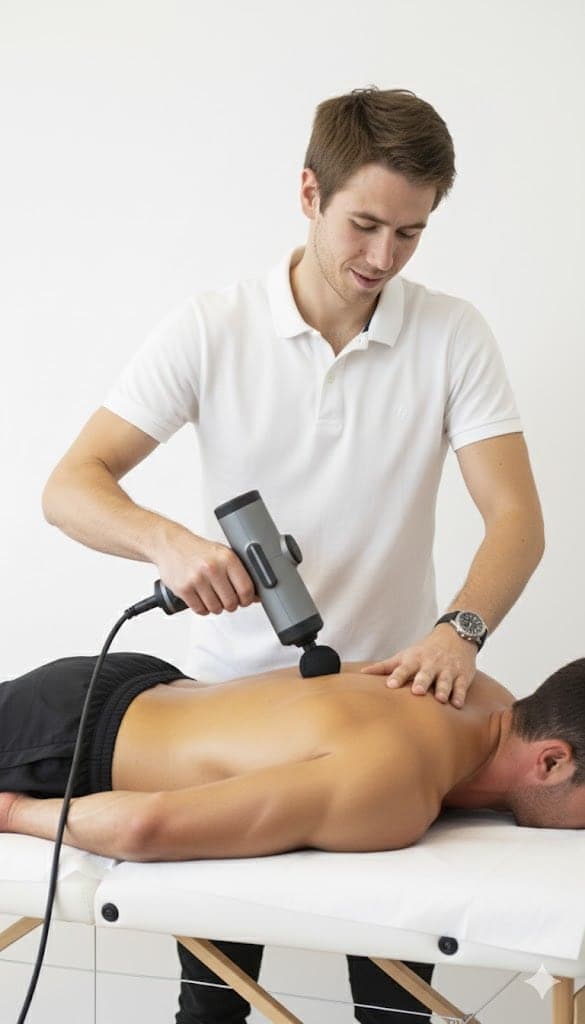
Written by
Chris
Massage therapist, nutrition and exercise physiologist
Norwegian-certified with a Bachelor’s in Physical Education and Nutrition and over ten years of clinical practice, working from a portable table in clients’ homes across the Paphos district.
This article is general information, not a medical diagnosis. If you have severe, worsening or unexplained pain, numbness, weakness, or pain after an accident, see a doctor first.